
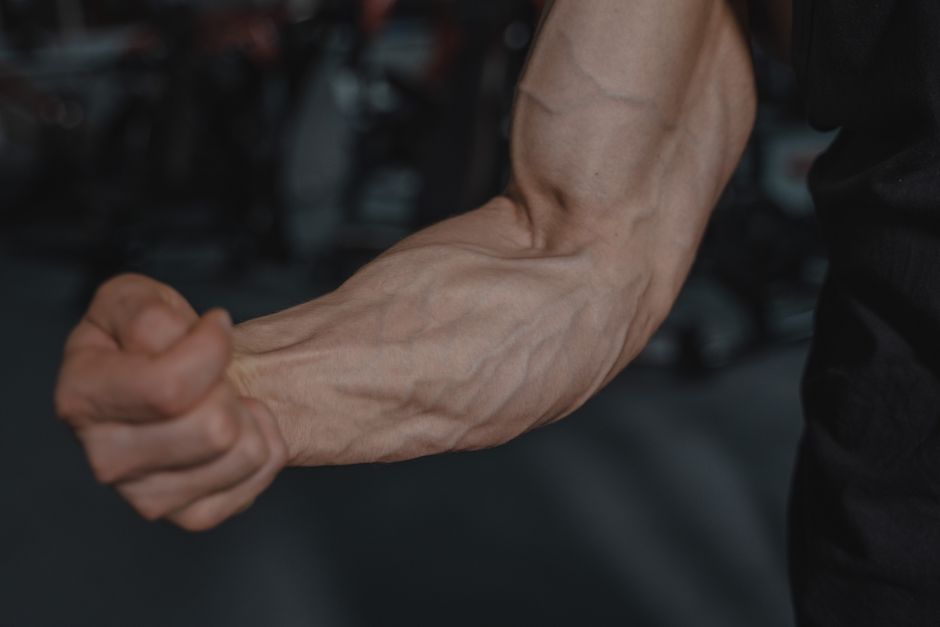
Your forearm hurts, and you want to know why. The most common causes are overuse from repetitive activities like typing or gripping, muscle strains from lifting, or tendonitis from sports. Less common causes include nerve compression from conditions like carpal tunnel syndrome or referred pain from your neck. Most forearm soreness is not serious and improves with rest, ice, and gentle movement, but knowing the specific cause helps you treat it correctly.
What Actually Causes Forearm Soreness in Daily Life?
Forearm soreness usually comes from one of three things: muscle overuse, tendon inflammation, or nerve irritation. Each feels different and has a different cause.
Overuse is the most common culprit. Think about your day. You type on a keyboard, grip a steering wheel, carry grocery bags, or use your phone. All of these involve the muscles and tendons in your forearm. When you do them for hours without a break, the muscles get tired and sore. This is called delayed onset muscle soreness (DOMS). It is normal and temporary.
Tendonitis is different. It is inflammation of the tendon itself. The two most common types in the forearm are lateral epicondylitis, known as tennis elbow, and medial epicondylitis, known as golfer’s elbow. Tennis elbow causes pain on the outside of your forearm near the elbow. Golfer’s elbow causes pain on the inside. Despite the names, you do not need to play sports to get them. People who do repetitive wrist movements at work, like painters, plumbers, or office workers, get them too.
Nerve issues are less common but worth knowing about. The median nerve runs through your forearm and into your hand. When it gets compressed at the wrist, you get carpal tunnel syndrome. The symptoms include tingling, numbness, and sometimes a dull ache in the forearm. The radial nerve runs along the outside of your forearm. Compression here can cause pain on the top of the forearm and weakness in your grip.
How Do Muscle Strain and Tendonitis Feel Different?
Muscle strain feels like a deep ache or a sharp pulling sensation. It usually happens suddenly when you lift something heavy or make a quick movement. The muscle itself feels tender to the touch. You might see some swelling or bruising if the strain is bad enough.
Tendonitis feels more like a burning or sharp pain that gets worse when you move your wrist or grip something. The pain is usually located right at the elbow or wrist joint, not in the middle of the forearm. It often starts gradually and gets worse over weeks or months if you keep doing the activity that caused it.
Here is a simple comparison:
| Symptom | Muscle Strain | Tendonitis |
|---|---|---|
| Pain location | Belly of the muscle | Near the elbow or wrist joint |
| Onset | Sudden, after a specific activity | Gradual, over weeks |
| Pain type | Ache or sharp pull | Burning or sharp with movement |
| Swelling | Possible, especially with moderate strain | Mild or none |
| Stiffness | Worse the next day | Worse after rest, better with activity |
If your pain gets better after you warm up and move around, it is more likely tendonitis. If it gets worse the day after you did something, it is more likely a muscle strain.
Can Your Neck Cause Forearm Pain? (Referred Pain)
Yes, and this surprises many people. Your forearm is connected to your spine through nerves that exit your neck. When a disc in your neck bulges or when arthritis narrows the space around a nerve, that nerve can get pinched. The pain then travels down your arm into your forearm.
This is called referred pain or radiculopathy. It feels different from local muscle or tendon pain. The aching is often vague and hard to pinpoint. You might feel it in your forearm, your shoulder, or your hand all at once. You may also notice numbness or tingling in your fingers.
The American Academy of Orthopaedic Surgeons notes that cervical radiculopathy is often mistaken for carpal tunnel syndrome or tendonitis. The key difference is that neck-related forearm pain usually gets worse when you turn your head or look up. It does not get worse when you move your wrist or grip something.
If you have forearm pain along with neck stiffness, headaches, or numbness in your fingers, consider seeing a doctor. They can check if the problem starts in your spine, not your arm.




Why Is My Forearm Sore Common Causes Explained: The Role of Grip and Repetition
Most forearm soreness comes down to grip strength and repetition. Think about how much you grip things in a day. You grip a coffee cup, a toothbrush, a steering wheel, a mouse, a phone. Each grip activates the muscles in your forearm. When you do it hundreds or thousands of times a day without rest, those muscles get angry.
Research published in the Journal of Hand Therapy found that people who use computers for more than four hours a day have significantly higher rates of forearm pain. The reason is not just typing. It is the constant static contraction of forearm muscles to hold your hands in position over the keyboard.
Grip-related soreness often shows up as pain in the forearm when you try to open a jar, turn a doorknob, or shake someone’s hand. If these activities trigger your pain, the problem is likely related to your grip muscles and tendons.
To prevent this, take breaks every 30 minutes. Shake out your hands and wrists. Stretch your fingers open wide. These small actions give your forearm muscles a chance to relax before they get tight and sore.
What Home Treatments Actually Work for Forearm Soreness?
For most cases of forearm soreness, home treatment works well. The standard advice is rest, ice, and over-the-counter anti-inflammatory medication like ibuprofen. But there are some specifics worth knowing.
- Ice works best in the first 48 hours. Apply it for 15 minutes at a time. Wrap the ice pack in a thin towel to avoid freezing your skin. After 48 hours, heat can help relax tight muscles.
- Rest does not mean total immobilization. If you stop moving your arm completely, the muscles and tendons get stiff. Gentle movement within a pain-free range is better. Move your wrist up and down slowly. Make gentle fists and open your hands.
- Compression sleeves can help some people. They provide light pressure that may reduce swelling and give your muscles a feeling of support. The evidence is mixed. Some people report less pain. Others feel no difference. It is worth trying but not a guaranteed fix.
- Stretching matters more than you think. The best stretch for forearm soreness is the wrist extensor stretch. Hold your arm out in front of you with your palm facing down. Use your other hand to gently bend your wrist down until you feel a stretch in the top of your forearm. Hold for 30 seconds. Repeat three times on each arm.
If your pain does not improve after two weeks of home treatment, or if it gets worse, see a doctor. You may need physical therapy, a brace, or in rare cases, a cortisone injection.
When Should You Worry About Forearm Pain?
Most forearm soreness is not dangerous. But some symptoms require medical attention. The American Academy of Family Physicians advises seeing a doctor if you have any of these:
- Sudden, severe pain after an injury, especially if you heard a pop or snap
- Inability to move your wrist or fingers
- Numbness or tingling that does not go away
- Swelling that gets worse instead of better
- Redness or warmth in the forearm, which could indicate an infection
- Pain that wakes you up at night
A rare but serious cause of forearm pain is a blood clot, called deep vein thrombosis (DVT). It is uncommon in the forearm but can happen after trauma, surgery, or prolonged immobility. The symptoms include swelling, redness, and a feeling of warmth in the arm. If you have these symptoms, especially if you recently had surgery or were on a long flight, seek emergency care.
Another rare cause is a stress fracture in the forearm bones. This happens from repetitive impact, like in gymnasts or tennis players. The pain is deep and constant, and it hurts to grip or put weight on your arm. X-rays can confirm or rule this out.
Do not ignore pain that lasts more than a few weeks. Chronic forearm pain can lead to muscle weakness, loss of grip strength, and changes in how you use your arm. Early treatment prevents these problems.
Frequently Asked Questions
Can typing cause forearm soreness?
Yes, typing for long periods without breaks can strain the forearm muscles and tendons, leading to soreness and sometimes tendonitis.
Is forearm soreness a sign of heart attack?
No, forearm soreness alone is not a typical sign of heart attack. Heart attack pain usually involves the chest, shoulder, or jaw and comes with shortness of breath or nausea.
How long does forearm muscle strain take to heal?
Mild strains heal in 1 to 2 weeks with rest and gentle stretching. Moderate strains may take 4 to 6 weeks.
Should I wear a brace for forearm pain?
A brace can help if you have tendonitis, especially tennis elbow. It takes pressure off the tendon. For muscle strains, a brace is usually not needed.
