
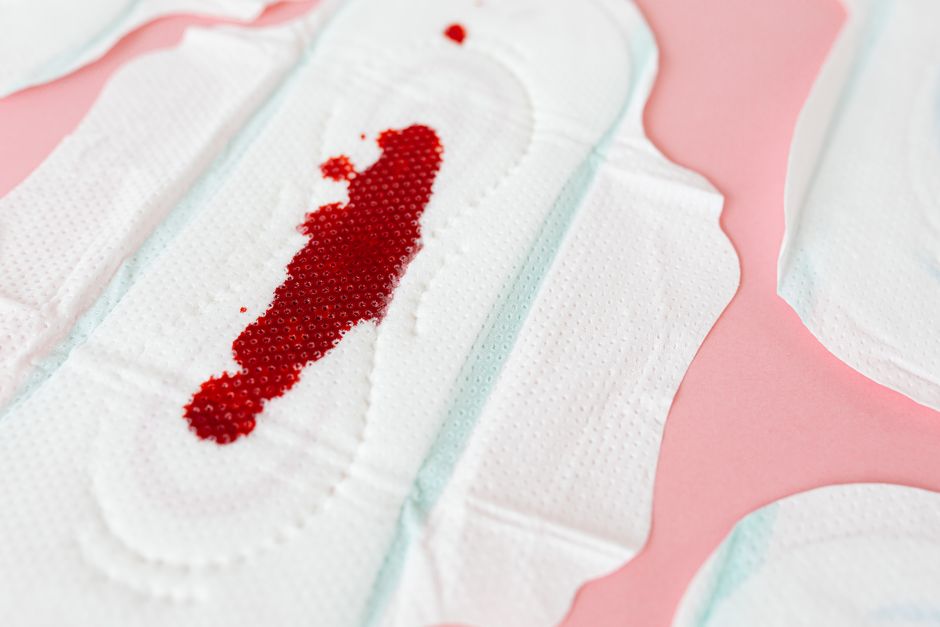
You are spotting three days before your period and you want to know why. For most women, this light bleeding is caused by a normal drop in progesterone at the end of the menstrual cycle. But other conditions can also cause premenstrual spotting, and some need medical attention.
Why Am I Spotting 3 Days Before My Period?
This is the most common question women ask when they notice unexpected bleeding. In a typical 28‑day cycle, progesterone levels rise after ovulation to prepare the uterine lining. If pregnancy does not happen, progesterone drops sharply about 12–14 days after ovulation. That hormone drop can cause the lining to start shedding early — resulting in light spotting.
For many women this is completely normal. The spotting is usually light, pink or brown, and lasts one to two days. It often happens without pain. If your cycles are regular and you have no other symptoms, this is likely the cause.
However, spotting three days before your period can also be a sign of other conditions. Understanding what is typical for your body is the first step. If the pattern changes or becomes persistent, it is worth investigating further.
What Are the Most Common Causes?
Several conditions can lead to spotting in the days before a period. Here are the most common ones:
- Hormonal imbalance. Low progesterone relative to estrogen can cause the lining to shed too early. This is sometimes called estrogen dominance.
- Implantation bleeding. If a fertilized egg attaches to the uterine wall, it can cause light spotting about 6–12 days after ovulation. That timing can overlap with three days before your expected period.
- Uterine fibroids or polyps. These growths can irritate the lining and cause bleeding between periods.
- Cervical issues. A cervical polyp, ectropion (when glandular cells grow on the outside of the cervix), or an infection can cause spotting.
- Polycystic ovary syndrome (PCOS). Irregular ovulation and hormone imbalances from PCOS can lead to unpredictable spotting.
- Thyroid disorders. Both overactive and underactive thyroid can affect cycle length and cause spotting.
- Stress. High stress levels can delay ovulation or affect hormones, leading to spotting.
- Medications. Birth control pills, emergency contraception, blood thinners, and some antidepressants can cause breakthrough bleeding.
- Early miscarriage. If you are pregnant and spotting occurs, it could be a sign of an early pregnancy loss.
Most of these causes are not dangerous, but some require treatment. If the spotting continues for several cycles or is heavy, see a doctor.
How Can You Tell If It Is Implantation Bleeding?
Implantation bleeding is often brought up when women spot before their period. It occurs when a fertilized egg burrows into the uterine lining, usually 6–12 days after ovulation. If you ovulate around day 14 of a 28‑day cycle, implantation could happen about 3 days before your next period is due.
Implantation bleeding is typically lighter than a period — often just a few drops of pink or brown blood. It usually lasts one to three days. Some women also feel mild cramping. However, not everyone experiences implantation bleeding, and many women have spotting for other reasons. The only way to confirm pregnancy is a home pregnancy test, which becomes accurate around the time of a missed period.
Do not rely on spotting alone to decide if you are pregnant. If you think you might be pregnant, take a test or see a healthcare provider.





When Should You Call a Doctor?
Most premenstrual spotting is not a medical emergency, but some signs warrant a visit. Call your doctor if:
- The spotting is heavy enough to require a pad or tampon.
- You pass clots larger than a grape.
- The spotting is accompanied by severe pelvic pain, fever, or unusual discharge.
- You might be pregnant and the spotting becomes heavy or painful.
- Spotting occurs after sexual intercourse.
- The spotting happens for three or more cycles in a row.
- You have a history of uterine fibroids, polyps, or cancer.
A healthcare provider can run tests to find the cause. These may include a pregnancy test, blood work for hormone levels, thyroid function, or an ultrasound to check for growths.
Are Fibroids, Polyps, or PCOS Linked to Spotting?
Yes, all three can cause spotting before a period. Uterine fibroids are noncancerous growths in the muscle wall of the uterus. They can irritate the lining and cause occasional bleeding, especially if they are located near the inner cavity. Polyps are small, benign growths on the inner lining of the uterus or cervix. They are fragile and can bleed easily.
Polycystic ovary syndrome (PCOS) is a hormonal disorder that affects ovulation. Women with PCOS often have irregular cycles and may experience spotting because the uterine lining builds unevenly without regular shedding. Thyroid problems can also disrupt ovulation and cause spotting.
These conditions are diagnosed with ultrasound, blood tests, or sometimes a biopsy. Treatment depends on the specific cause and whether you plan to become pregnant.
Can Stress or Birth Control Cause Spotting?
Yes, both are common triggers. Physical or emotional stress can affect the hypothalamus, the part of the brain that controls hormone release. This can delay ovulation, lengthen your cycle, or cause spotting before your period.
Birth control methods are also a frequent cause of premenstrual spotting. Low‑dose birth control pills may cause breakthrough bleeding, especially in the first few months. Missing pills, taking them at different times, or using a continuous regimen can also lead to spotting. Hormonal intrauterine devices (IUDs) often cause irregular spotting in the first three to six months. Copper IUDs can cause heavier periods or spotting between periods.
If you recently started a new birth control method and have spotting, it is usually normal. If the spotting persists beyond three months or is heavy, talk to your provider.
Frequently Asked Questions
Can spotting 3 days before my period mean I am pregnant?
It could. Spotting from implantation happens around 6–12 days after ovulation, which may fall 3 days before your period. However, many other causes exist, and a pregnancy test is the only reliable way to know.
What color is pre-period spotting normally?
Light pink, brown, or red. Brown spotting means the blood is older; bright red indicates active bleeding. Any color can be normal if the flow is light.
How many days before a period is spotting normal?
Spotting one to two days before a period is common. Spotting three days before can be normal for some women, but if it happens repeatedly or is new, check with your doctor.
Does spotting before period mean I have low progesterone?
It can. Low progesterone relative to estrogen can cause the uterine lining to shed early. A blood test taken about a week before your period can check your progesterone level.
