
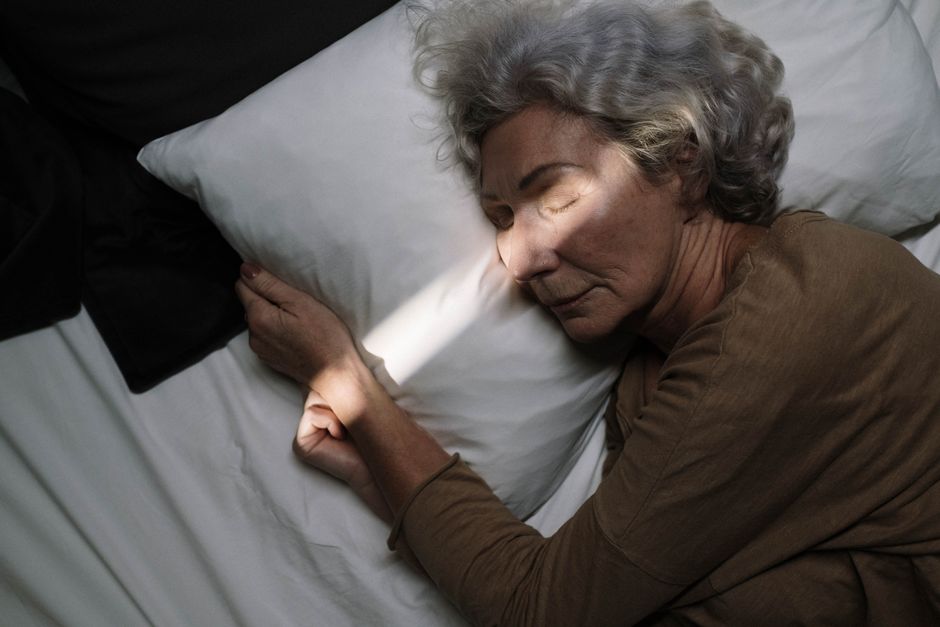
Sleeping with hip pain often means waking up stiff, tired, and irritable. The most effective positions involve keeping your spine aligned and reducing pressure on the sore hip. Sleeping on your back with a pillow under your knees or on your non-painful side with a pillow between your legs are the two positions with the strongest evidence for relief. These simple adjustments can make the difference between a restless night and actual rest.
Why Does Hip Pain Get Worse at Night?
Hip pain often feels worse at night because of how your body works during sleep. When you lie still for hours, fluid builds up around inflamed joints. This is called nocturnal inflammation. It is a real physiological process, not something in your head.
Your hip joint also has less blood flow when you are not moving. Reduced circulation means less oxygen reaches the tissues that need repair. Some studies suggest that the body’s natural anti-inflammatory hormone, cortisol, drops during early sleep cycles. Lower cortisol means more inflammation and more pain.
Another factor is simple pressure. Your mattress may not support your hips properly. A sagging mattress lets your hip sink into an unnatural angle. This strains the joint capsule and the muscles around it. The result is pain that builds through the night and peaks in the morning.
What Is the Best Sleeping Position for Hip Pain?
The best position depends on which hip hurts and where the pain comes from. But two positions consistently help more than others based on what physical therapists and sleep specialists report.
Sleeping on your back is the safest option for most people. It distributes weight evenly across your body. Your hips stay in a neutral position. Place a pillow under your knees to maintain the natural curve of your lower back. This takes tension off the hip flexors. If your mattress is firm, a thin pillow under your lower back can help too.
Sleeping on your non-painful side is the second best option. Lie on the side that does not hurt. Place a firm pillow between your knees. This keeps your top hip from dropping down and twisting your spine. Your top leg should be bent at the hip and knee. The pillow should be thick enough to keep your knees hip-width apart. A body pillow works well for this.
Some people find that a small pillow under their waist on the side they sleep on helps maintain alignment. This is not widely studied but many physical therapists recommend it.
What Positions Should You Avoid With Hip Pain?
Some common sleeping positions make hip pain worse. Knowing what to avoid is just as important as knowing what to try.
Sleeping on your stomach is the worst position for hip pain. It forces your spine into extension and twists your hips. Your head is turned to one side for hours which strains your neck and upper back. This position also puts direct pressure on the front of your hip joint. If you must sleep on your stomach, place a flat pillow under your pelvis. This reduces the arch in your lower back.
Sleeping on your painful side with no support is also problematic. Direct pressure on an inflamed hip joint increases pain. The joint capsule gets compressed. If you have bursitis, the pressure on the bursa sac can cause sharp pain. If you have arthritis, the bone-on-bone pressure worsens stiffness.
Curling into a fetal position too tightly can also cause problems. While some hip pain improves with gentle bending, curling your hips and knees too far toward your chest shortens the hip flexors. This can cause morning stiffness and increased pain over time. Keep your knees bent at about a 90-degree angle if you sleep on your side.





How Does Your Mattress and Pillow Setup Affect Hip Pain?
Your mattress is one of the most overlooked factors in hip pain during sleep. A mattress that is too soft lets your hips sink out of alignment. A mattress that is too hard creates pressure points. Neither is good for hip pain.
Research on mattress firmness and pain is limited but consistent. A medium-firm mattress tends to work best for people with back and hip pain. One study published in the Journal of Chiropractic Medicine found that medium-firm mattresses improved sleep quality and reduced pain compared to firm mattresses. The key is finding a mattress that supports the natural curve of your spine while allowing your hips and shoulders to sink slightly.
Pillow choice matters too. Side sleepers need a thicker pillow to fill the gap between their ear and the mattress. Back sleepers need a thinner pillow. The wrong pillow height twists your neck and upper back, which can pull on your hips through your spine.
Current research suggests that adjustable beds or wedge pillows can help some people with hip pain. Elevating your upper body slightly reduces pressure on the hip joint. A wedge pillow under your knees while sleeping on your back also helps by taking tension off the hip flexors.
What Simple Adjustments Can You Make Tonight?
You do not need expensive equipment to improve your sleep with hip pain. Small changes to your current setup can make a real difference. Try these adjustments starting tonight.
- Place a firm pillow between your knees if you sleep on your side. This prevents your top hip from dropping down and twisting your spine.
- Put a pillow under your knees if you sleep on your back. This keeps your lower back in a neutral position and reduces strain on your hips.
- Use a body pillow for full support. Hugging a body pillow while sleeping on your side keeps your upper body aligned and prevents rolling onto your painful hip.
- Try a small rolled towel under your waist on the side you sleep on. This fills the gap between your ribs and hips.
- Check your mattress for sagging. If your mattress is more than 8 years old and shows visible dips, it may be contributing to your pain.
These adjustments are simple but they work because they address the mechanical causes of nighttime hip pain. The goal is always spinal alignment and reduced joint pressure.
If your hip pain is severe, consider sleeping in a recliner for a night or two. This position takes all weight off your hips. It is not a long-term solution but it can help during a flare-up.
What Does Research Say About Pillows and Hip Pain?
Research on pillows specifically for hip pain is not extensive, but what exists supports their use. A study in the Journal of Physical Therapy Science found that a pillow between the knees improved pelvic alignment in side sleepers. Better alignment means less stress on the hip joint.
Another study looked at the effect of knee pillows on sleep quality in people with hip osteoarthritis. Participants reported less pain and better sleep after using a knee pillow for two weeks. The improvement was modest but consistent. The study was small, so results should be taken as suggestive rather than definitive.
Some physical therapists recommend contour pillows that fit between your legs. These are shaped to keep your knees and ankles aligned. A regular bed pillow works just as well if it is firm enough. The key is thickness. Your pillow should be thick enough to keep your top knee at the same height as your bottom knee. If your top knee drops down, your hip rotates and the pain returns.
As of 2026, there is no clinical evidence that any specific brand or type of pillow is superior. The best pillow is the one that keeps your hips aligned through the night.
How To Sleep With Hip Pain Positions That Actually Help: A Quick Comparison
Here is a simple comparison of the most common sleeping positions for hip pain. Use this as a reference when setting up your bed.
| Position | Best For | Key Adjustment |
|---|---|---|
| Back sleeping | Most hip pain types | Pillow under knees |
| Side sleeping (non-painful side) | Arthritis, bursitis | Pillow between knees |
| Side sleeping (painful side) | Only if unavoidable | Thick pillow under waist |
| Stomach sleeping | Avoid if possible | Flat pillow under pelvis |
| Semi-reclined | Severe flare-ups | Wedge pillow or recliner |
This table is a starting point. Your specific hip condition may require adjustments. If you have hip bursitis, side sleeping on the non-painful side with a knee pillow is usually best. If you have hip osteoarthritis, back sleeping with knee support often works better because it avoids any twisting of the joint.
When Should You See a Doctor About Hip Pain at Night?
Nighttime hip pain that does not improve with position changes deserves medical attention. If you have tried these positions for two weeks and your sleep is still disrupted, see a healthcare provider.
Pain that wakes you up from sleep is different from pain that makes it hard to fall asleep. Waking up from pain suggests a more serious issue. This could be an infection, a stress fracture, or avascular necrosis of the hip. These conditions require prompt treatment.
Other red flags include fever, redness or swelling around the hip, inability to bear weight on the affected leg, and sudden onset of pain after a fall. If you have any of these, do not wait. Seek care immediately.
For chronic hip pain that worsens at night, a physical therapist can help. They can assess your gait, your sleeping setup, and your hip joint mechanics. They may recommend specific stretches or strengthening exercises that reduce nighttime pain. Some people benefit from a hip brace or a specialized sleep positioning system, though these are not widely studied.
Do not assume that nighttime hip pain is just a normal part of aging. It is not. It is a symptom that deserves attention and treatment.
Frequently Asked Questions
Can sleeping on your back really help hip pain?
Yes, sleeping on your back with a pillow under your knees keeps your hips in a neutral position and reduces pressure on the joint. This position is widely recommended by physical therapists for most types of hip pain.
What is the best pillow for hip pain when sleeping?
A firm pillow between your knees is best for side sleepers. A medium-thick pillow under your knees works for back sleepers. No specific brand is proven better than others.
How long should I try a new sleeping position before giving up?
Give it at least three to five nights. Your body needs time to adjust to a new position. If pain does not improve after one week, try a different position or see a doctor.
Is a memory foam mattress better for hip pain?
Memory foam can help because it contours to your body and reduces pressure points. But a medium-firm mattress of any type works well if it supports your spine without sagging.
Can hip pain at night be a sign of something serious?
Yes, especially if it wakes you up from sleep, comes with fever or swelling, or started after a fall. See a doctor if these symptoms apply to you.
