
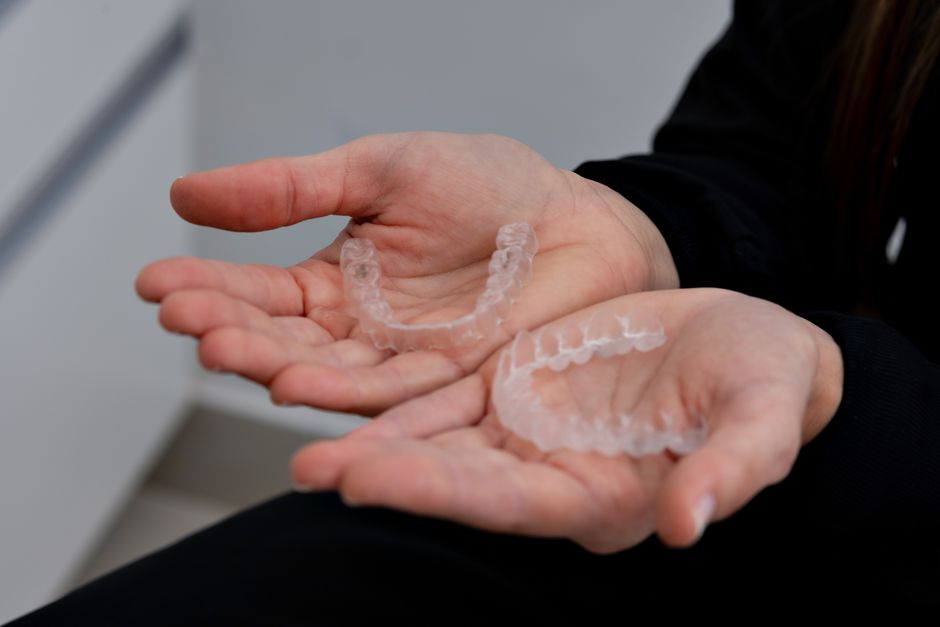
Invisalign aligners straighten teeth by applying steady pressure. That pressure causes discomfort for most people, especially when starting a new tray. The pain is real but temporary. You can manage it effectively with simple, evidence-based methods. The most effective strategies include using cold therapy, taking over-the-counter pain relievers, and giving your mouth time to adjust. This article explains exactly what works, what does not, and why.
Why Does Invisalign Hurt in the First Place?
Invisalign works by moving teeth through bone. The aligners apply controlled force to shift teeth into new positions. This triggers an inflammatory response in the periodontal ligament — the tissue that connects teeth to the jawbone. That inflammation is what you feel as pain or soreness.
Research published in the American Journal of Orthodontics and Dentofacial Orthopedics found that orthodontic pain peaks about 24 to 48 hours after a new aligner is placed. After that, it drops significantly. Most people report mild discomfort by day three or four. The pain is not constant. It tends to come in waves, especially when you remove or insert aligners.
The key point: this pain is a sign that treatment is working. It is not a problem to fix. It is a process to manage.
What Actually Eases Invisalign Pain? What the Evidence Shows
Several methods have solid evidence behind them. Others are widely claimed but poorly supported. Here is what the research says.
Cold therapy is one of the most effective options. Applying an ice pack to the outside of your cheek for 10 to 15 minutes reduces blood flow to the area. This lowers inflammation and numbs the nerves. A study in the Journal of Orofacial Orthopedics found that cold therapy significantly reduced orthodontic pain compared to no treatment. Use a cloth between the ice pack and your skin to avoid frostbite.
Over-the-counter pain relievers also work well. Ibuprofen (Advil, Motrin) is a nonsteroidal anti-inflammatory drug (NSAID) that directly targets the inflammation causing the pain. Acetaminophen (Tylenol) works on pain perception in the brain but does not reduce inflammation. Some orthodontists prefer acetaminophen because NSAIDs may theoretically slow tooth movement, though the evidence for this is weak in humans. A 2018 review in the European Journal of Orthodontics found no clear evidence that NSAIDs impair tooth movement in people. Talk to your dentist if you are unsure.
Chewing on a soft object like a silicone chewie or a clean finger can help. It redistributes the pressure and may reduce pain by stimulating blood flow. Some people report that chewing on a damp washcloth or a piece of sugar-free gum works. The evidence here is mostly anecdotal, but many users find it helpful.
What Does Not Help? Common Myths About Invisalign Pain
Several popular suggestions have little to no evidence behind them. Some can even make things worse.
Applying heat is a common recommendation online. The thinking is that heat relaxes muscles and increases blood flow. But heat can increase inflammation in the acute phase. The American Association of Orthodontists advises against heat for orthodontic pain. Stick with cold therapy instead.
Using numbing gels like Orajel or Anbesol may provide temporary relief. But the effect is short-lived — usually 20 to 30 minutes. These gels contain benzocaine, which numbs the surface tissue. They do not address the underlying inflammation. Overuse can also cause irritation or allergic reactions. The FDA has warned about rare but serious risks of benzocaine, particularly in children. Use sparingly if at all.
Massaging the gums with your finger or a soft toothbrush is sometimes suggested. There is no strong evidence that this reduces pain. It may feel soothing for some people, but it does not change the inflammatory process. If it helps you, do it. But do not expect a dramatic effect.





Practical Steps to Manage Pain Day by Day
Here is a simple routine based on what the evidence supports. Adjust it to fit your schedule.
- First 24 hours of a new tray: Apply an ice pack for 10 to 15 minutes every few hours. Take ibuprofen or acetaminophen as directed. Stick to soft foods like yogurt, soup, and mashed potatoes.
- Day 2 to 3: Continue cold therapy if needed. Chew on a silicone chewie for 5 minutes after meals. This helps seat the aligners and may reduce soreness. Switch to slightly firmer foods like scrambled eggs or steamed vegetables.
- Day 4 and beyond: Discomfort should be mild. If it persists or worsens, contact your orthodontist. Persistent pain may indicate an ill-fitting aligner or a different issue.
Use the “chewie” technique correctly. Do not chew aggressively. Gentle, consistent pressure for a few minutes is enough. Over-chewing can cause jaw soreness or damage the aligners.
Keep your aligners in for 20 to 22 hours per day. Removing them for too long can slow treatment and increase pain when you put them back in. The pressure resets each time you remove and reinsert them.
How to Ease Invisalign Pain: What Really Helps Compared
Not all methods are equal. Here is a quick comparison of the most common approaches.
| Method | How It Works | Evidence Level | Best For |
|---|---|---|---|
| Cold therapy (ice pack) | Reduces inflammation and numbs nerves | Strong (clinical study) | First 48 hours of a new tray |
| Ibuprofen | Blocks inflammation at the source | Strong (clinical study) | Moderate to severe pain |
| Acetaminophen | Changes pain perception in the brain | Moderate (clinical study) | People who avoid NSAIDs |
| Chewing on a silicone chewie | Distributes pressure and increases blood flow | Anecdotal / weak | Mild discomfort after meals |
| Numbing gels (benzocaine) | Numbs surface tissue temporarily | Weak / short-lived | Brief relief during eating |
| Heat therapy | Increases blood flow | Not recommended | None for acute pain |
This table is based on current evidence. Your experience may vary. What works for one person may not work for another. Try one method at a time and see how your body responds.
When Should You Call Your Orthodontist?
Most Invisalign pain is normal. But some situations need professional attention.
Contact your orthodontist if you have pain that lasts more than five to seven days after starting a new tray. This may mean the aligner does not fit correctly. Sharp pain when biting down is also a red flag. It could indicate that a tooth is moving too fast or that the aligner is putting pressure on a specific spot.
If your aligners cause cuts or sores on your gums, tongue, or cheeks, you can file down rough edges with a nail file. But if the problem persists, your orthodontist can adjust the aligners or provide dental wax for protection.
Do not ignore severe pain. It is not a sign of better results. It is a sign that something may be wrong. The American Association of Orthodontists recommends checking in with your provider if pain interferes with eating, sleeping, or daily activities.
What About Long-Term Pain Management?
Some people experience ongoing discomfort throughout treatment. This is less common but possible. The pain is usually mild and comes and goes.
If you have persistent pain, review your aligner wear habits. Are you wearing them the full 20 to 22 hours? Skipping hours can make each new tray more painful because your teeth have not moved as expected. Are you using chewies correctly? Proper seating of the aligners distributes pressure evenly.
Some orthodontists recommend switching to a “two-week” wear schedule for each tray instead of the standard one week. This gives your teeth more time to adjust and may reduce pain. Ask your orthodontist if this is an option for you. A 2020 study in the Angle Orthodontist found that longer wear intervals did not slow overall treatment time in many cases.
Stress and anxiety can also amplify pain perception. If you are tense about the process, your body may react more strongly. Simple relaxation techniques like deep breathing or listening to music can help. This is not a cure, but it may reduce how much the pain bothers you.
Frequently Asked Questions
How long does Invisalign pain last?
Pain usually peaks 24 to 48 hours after starting a new tray. Most people feel much better by day three or four.
Can I take ibuprofen while using Invisalign?
Yes. Ibuprofen is safe and effective for Invisalign pain. Some orthodontists prefer acetaminophen, but the evidence that NSAIDs slow tooth movement is weak.
Does chewing on a chewie actually help?
It helps some people by redistributing pressure and seating the aligners. The evidence is mostly anecdotal. Try it for a few minutes after meals.
Should I remove my aligners if they hurt?
No. Removing them for more than two hours per day slows treatment and can make pain worse when you put them back in. Keep them in as directed.
