
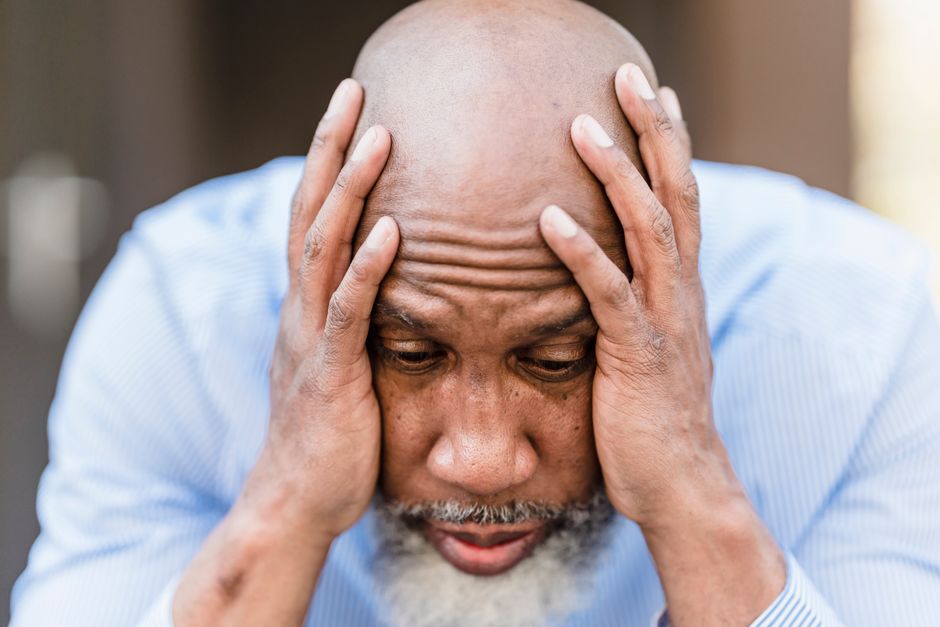
You might have a hard time showing affection due to how you were raised, past experiences with rejection, or a personality style that values independence over closeness. Some people simply never learned how to express love in a way others can see. For others, showing affection feels risky because it makes them vulnerable. The good news is that this is not a fixed trait. It is a pattern of behavior that can shift with awareness and practice.
What Causes Someone to Struggle With Showing Affection?
There is no single cause. Research shows that childhood environment plays a large role. If you grew up in a home where hugs, praise, or kind words were rare, you likely did not learn those behaviors. The Centers for Disease Control and Prevention (CDC) has linked adverse childhood experiences to difficulty forming close relationships later in life.
Personality also matters. People with high levels of trait independence or low extraversion often report feeling less need for physical or verbal affection. That does not mean they do not care. It means their natural way of connecting looks different from what society expects.
Past relationship pain is another common factor. If you were rejected after showing affection before, your brain may have learned to hold back as a form of protection. This is not a conscious choice. It is a learned response that can be unlearned.
Does Being Bad at Affection Mean Something Is Wrong With You?
No. Struggling to show affection is not a disorder. The Diagnostic and Statistical Manual of Mental Disorders (DSM-5) does not list “low affection” as a condition. It is a behavior pattern, not a diagnosis.
That said, if your difficulty with affection causes ongoing distress or harms your relationships, it is worth understanding why. Some people who struggle with affection also have traits of avoidant attachment. Others may have social anxiety or a history of emotional neglect. These are real things to address, but they are not character flaws.
One non-obvious point: many people who struggle to show affection feel deep love internally. The gap is between feeling and expressing. That gap can be closed with intentional effort. It does not mean you are broken.
What Does Research on Why Do I Have A Hard Time Showing Affection Show?
Research published in the Journal of Social and Personal Relationships found that people who grew up in low-affection homes tend to show less affection as adults. This was true even when controlling for personality type. The study followed couples over two years and found that those who practiced expressing affection reported higher relationship satisfaction.
Another study from the University of Texas at Austin looked at physical touch. It found that couples who touched more — holding hands, hugging, gentle back rubs — had lower stress hormone levels measured by cortisol. The effect was strongest for people who initially said they were not “touchy people.”
Brain imaging studies show that receiving affection activates the same reward pathways as food and money. But for some people, the anticipation of affection triggers anxiety instead of pleasure. This suggests the barrier is not a lack of desire but a learned fear response.
| Factor | What Research Shows |
|---|---|
| Childhood environment | Low-affection homes predict low-affection adults (Journal of Social and Personal Relationships) |
| Physical touch | Lowers cortisol even in people who do not consider themselves affectionate (University of Texas) |
| Brain response | Anticipation of affection can trigger anxiety in some people (neuroimaging studies) |
| Practice effect | Deliberate practice of affection improves relationship satisfaction over time |





What Are the Most Common Mistakes People Make When Trying to Change?
The biggest mistake is trying to change too fast. If you have spent decades keeping affection at a distance, forcing yourself to give long hugs or say “I love you” ten times a day will feel fake. It may actually make you pull back more. Slow and small is better than big and forced.
Another mistake is assuming affection has to look a certain way. Many people think affection means grand romantic gestures or constant physical touch. That is not true. Affection can be a hand on the shoulder, making someone coffee, remembering a small detail they told you, or sending a simple text. The research on love languages is not rigorous science, but the core idea is useful: people give and receive love differently.
A third mistake is ignoring the role of discomfort. Some people avoid affection because it literally feels awkward. That discomfort is not a sign to stop. It is a sign that you are doing something unfamiliar. Discomfort fades with repetition.
What Practical Steps Actually Help With Showing More Affection?
Start with observation. For one week, pay attention to how you currently show care. Do you do things for people rather than say things? Do you show up reliably but rarely touch? Write down what you already do. You may be more affectionate than you think — just in ways you do not recognize.
Next, pick one small behavior to add. Do not try to overhaul your entire style. Choose something that takes under five seconds. Examples include:
- Saying “I appreciate you” instead of “I love you” if the latter feels too heavy
- Placing your hand on someone’s arm briefly during conversation
- Making eye contact and smiling when they walk into the room
- Leaving a sticky note with a kind word
Repeat that one behavior daily for two weeks. Research on habit formation suggests that repetition, not motivation, is what builds new patterns. After two weeks, the behavior will feel less strange. Then you can add another.
If you have a partner, consider telling them what you are working on. Say something like: “I know I am not great at showing affection, but I care about you and I am trying to get better at expressing it.” This does two things. It sets realistic expectations. And it shows affection in itself — honesty is a form of closeness.
When Should You Consider Therapy or Professional Help?
If your difficulty showing affection is tied to anxiety, panic, or a history of trauma, professional support can help more than self-help. A therapist trained in attachment theory or cognitive behavioral therapy can help you identify the root cause faster than you can alone.
Some signs that therapy may be useful include: you feel intense physical discomfort when someone tries to hug you, you avoid relationships entirely because of the pressure to be affectionate, or you have repeatedly lost relationships due to emotional distance. These are not permanent problems, but they often benefit from guided work.
The American Psychological Association notes that therapy for relationship patterns typically takes 12 to 20 sessions for noticeable change. That is not a long time for something that affects your daily happiness.
Frequently Asked Questions
Is it normal to have a hard time showing affection?
Yes. Many adults struggle with expressing affection, often due to upbringing or personality. It is common and not a sign of a disorder.
Can you learn to be more affectionate?
Yes. Research shows that practicing small affectionate behaviors can build new habits over time. It takes repetition more than motivation.
Does not liking physical touch mean something is wrong?
Not necessarily. Some people simply prefer other forms of connection like acts of service or quality time. It only becomes a problem if it causes distress or relationship conflict.
How long does it take to become more affectionate?
Most people notice a shift within a few weeks of consistent small actions. Deeper changes tied to trauma or attachment style may take several months with therapy.
