
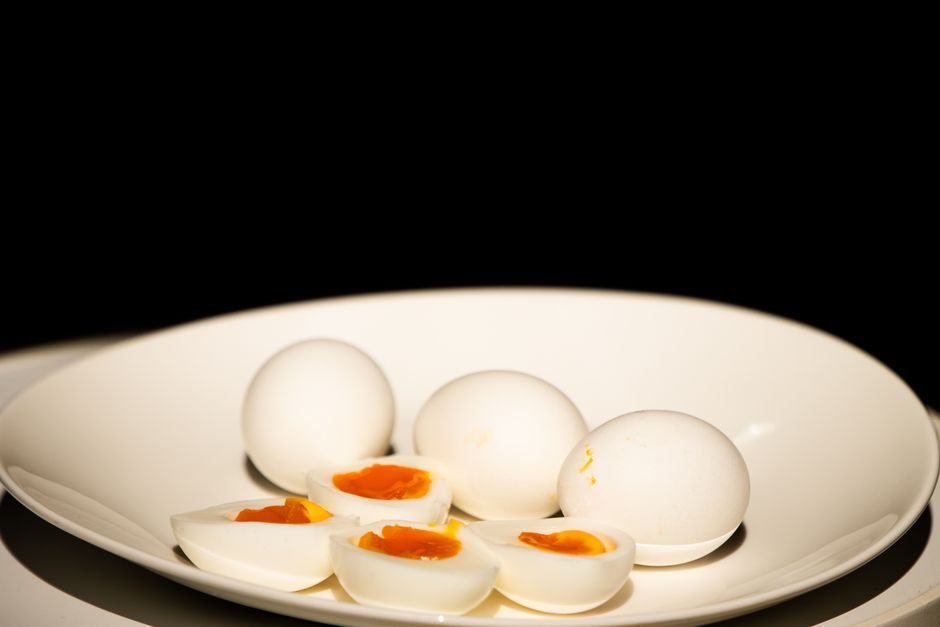
Hard-boiling an egg is one of those simple kitchen tasks that can go wrong in surprising ways. The direct answer is that a large egg straight from the fridge needs about 10 to 12 minutes in boiling water for a fully set yolk. If you prefer a slightly softer, creamier yolk, 9 minutes is your target. For a firm, crumbly yolk, 12 minutes is the sweet spot. Timing starts the moment you lower the eggs into already-boiling water.
What Is the Exact Timing for Hard-Boiled Eggs?
The timing depends on your starting point. Eggs straight from the refrigerator take longer than room-temperature eggs. The most reliable method is the cold-start technique, but the boiling-start method gives more precise control over doneness.
For the boiling-start method, bring a pot of water to a full rolling boil first. Gently lower your large eggs into the water using a slotted spoon. Set a timer immediately.
- 6 minutes: White is fully set. Yolk is warm and completely liquid.
- 8 minutes: White is firm. Yolk is soft and jammy, not runny.
- 10 minutes: White is very firm. Yolk is mostly set but still slightly soft in the center.
- 12 minutes: White is firm. Yolk is fully set and crumbly.
- 14 minutes: Yolk becomes dry and a green-gray ring may form around it.
If you start eggs in cold water and bring it to a boil, add roughly 2 to 3 minutes to these times. The cold-start method is more forgiving if you are not sure about your stove or pot size.
Does the Size of the Egg Change the Cooking Time?
Yes, egg size matters more than most people realize. A large egg is the standard for most recipes and cooking guides. A medium egg will cook about 1 minute faster. An extra-large or jumbo egg needs about 1 to 2 minutes longer.
If you are using farm-fresh eggs that vary in size, weigh them. A large egg typically weighs about 50 grams without the shell. For every 5 grams above or below that, adjust your timer by 30 seconds.
This is one reason why many people get inconsistent results. They follow a recipe written for large eggs but use jumbo eggs from the farmers market. The difference between a perfect yolk and an overdone one can be just 90 seconds.
How Does Altitude Affect Hard-Boiling Eggs?
Water boils at lower temperatures at higher altitudes. At sea level, water boils at 212°F. At 5,000 feet, it boils at about 202°F. That 10-degree difference means your eggs cook more slowly even though the water looks like it is boiling vigorously.
Research from the USDA and Colorado State University Extension confirms that cooking times should increase by roughly 1 minute for every 1,000 feet above sea level. If you live in Denver or Salt Lake City, add 4 to 5 minutes to your standard boil time.
This is not a guess. The lower boiling temperature is a physical fact. If you have moved to a higher altitude and suddenly your eggs are undercooked at your usual timing, this is almost certainly the reason.




What Causes the Green Ring Around the Yolk?
The green-gray ring that sometimes appears around a hard-boiled yolk is not a sign of a bad egg. It is a chemical reaction between iron in the yolk and sulfur in the white. The compound formed is iron sulfide, which is harmless.
Two things cause this ring: overcooking and rapid cooling. The longer an egg sits in hot water, the more the reaction happens. The second cause is leaving the eggs in the hot water after cooking. The residual heat continues the reaction.
To prevent the green ring, transfer the eggs to an ice bath immediately after the timer goes off. Let them sit in ice water for at least 5 minutes. This stops the cooking process instantly and prevents the iron-sulfur reaction from continuing.
Some people report that very fresh eggs are more prone to the green ring. There is limited evidence for this, but it may be related to the pH of the white. As eggs age, the white becomes more alkaline, which may reduce the reaction.
How Long Hard Boil Eggs Stay Fresh in the Refrigerator?
Hard-boiled eggs in their shells stay fresh for up to one week in the refrigerator. The USDA states that peeled hard-boiled eggs should be eaten within a few days. Once the shell is removed, the egg loses its natural protective layer and becomes more vulnerable to bacteria.
Store unpeeled hard-boiled eggs in a covered container. Do not leave them on the counter. Bacteria grow rapidly between 40°F and 140°F, and hard-boiled eggs are no exception.
If you are meal-prepping for the week, cook your eggs on Sunday and keep them in the shell until you are ready to eat them. Peel them just before eating. This gives you the longest window of freshness.
One thing many people do not know is that hard-boiled eggs should not be frozen. The white becomes rubbery and watery when thawed. The texture is unpleasant, and the egg is safe but not worth eating.
What Is the Best Method for Peeling Hard-Boiled Eggs?
Peeling is the most frustrating part of making hard-boiled eggs for many people. The freshness of the egg is the biggest factor. Very fresh eggs are harder to peel because the white clings tightly to the inner shell membrane. Eggs that are 7 to 10 days old peel more easily.
Research from the American Egg Board confirms that older eggs have a higher pH, which causes the white to shrink away from the shell. This makes peeling cleaner and faster. If you buy eggs from a grocery store, they are usually already a week old or more, so peeling is rarely a problem.
For farm-fresh eggs, use the steaming method. Steam the eggs for 12 minutes instead of boiling them. The steam penetrates the shell differently and often makes peeling easier. Some people also report that shocking the eggs in an ice bath immediately after cooking helps separate the membrane from the white.
Another trick that has some support is adding baking soda to the boiling water. About half a teaspoon per quart of water raises the pH, which may help the white release from the shell. The evidence for this is mixed, but it is harmless to try.
| Method | Time for Large Egg | Peeling Difficulty | Best For |
|---|---|---|---|
| Boiling start | 10-12 minutes | Moderate | Precise doneness |
| Cold start | 13-15 minutes | Easy | Consistency |
| Steaming | 12-13 minutes | Easier | Fresh eggs |
| Instant Pot | 5 minutes + natural release | Very easy | Batch cooking |
Frequently Asked Questions
How long to hard boil an egg from cold water?
Bring the water to a rolling boil first, then cook for 10 to 12 minutes for a fully set yolk. Starting from cold water adds roughly 2 minutes to the total cooking time.
How long do hard-boiled eggs last in the fridge?
Hard-boiled eggs in the shell stay fresh for up to one week. Peeled eggs should be eaten within a few days.
Why is my hard-boiled egg yolk green?
The green ring is iron sulfide from overcooking or leaving eggs in hot water too long. An immediate ice bath prevents this.
How do I make hard-boiled eggs easier to peel?
Use eggs that are at least a week old, steam them instead of boiling, or add baking soda to the water. An ice bath after cooking also helps.
