
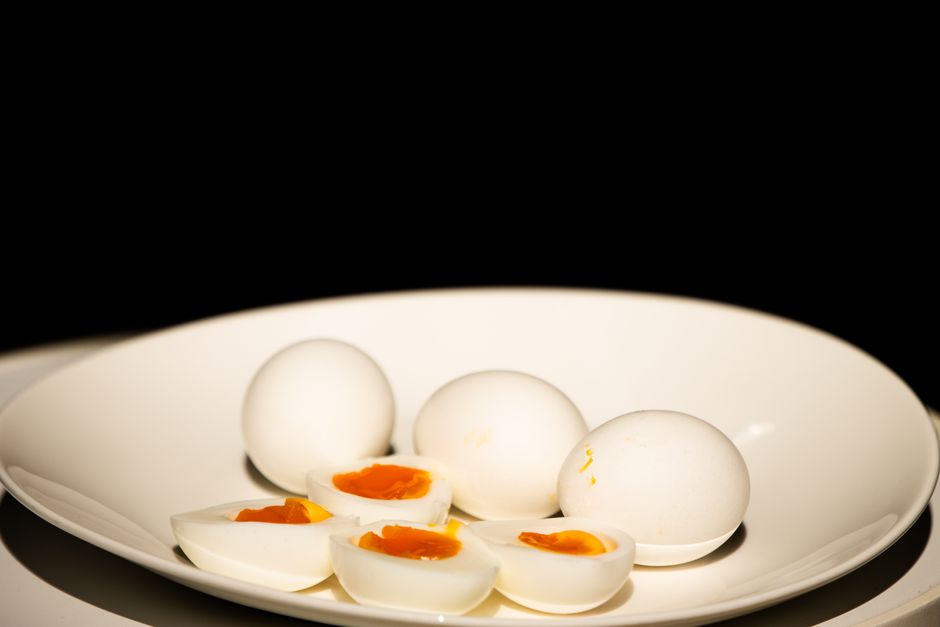
Hard boiled eggs can stay in the fridge for up to seven days if they are kept in their shells and stored properly. The United States Department of Agriculture (USDA) sets this guideline, and it is the most reliable answer you will find. Once you peel them, the clock moves faster. Peeled hard boiled eggs should be eaten within one to two days for the best quality and safety.
How Long Can Hard Boiled Eggs Stay In Fridge Before They Go Bad?
The USDA says unpeeled hard boiled eggs are safe to eat for one week from the day they are cooked. This is not a guess. It is based on food safety research. The shell acts like a natural seal. It keeps bacteria out and moisture in. After seven days, the risk of spoilage increases. The egg may still look fine, but microscopic bacteria can grow.
Peeled eggs lose that protective shell. They are more exposed to air and bacteria from your hands or the environment. The USDA recommends eating peeled hard boiled eggs within two days. Some people report they last longer, but the official guideline exists for a reason. If you are unsure, throw them out. Food poisoning from eggs is not worth the risk.
What Is the Best Way to Store Hard Boiled Eggs in the Fridge?
Store unpeeled hard boiled eggs in a clean container with a lid. Do not put them in the fridge door. The temperature there changes every time you open it. Keep them on a middle shelf where the temperature stays steady at 40°F (4°C) or below. A simple glass or plastic container works fine. Do not wash the eggs before storing them. Washing removes the natural protective coating.
For peeled eggs, put them in a bowl of cold water. Change the water every day. Or store them on a damp paper towel inside a sealed container. Either method keeps them from drying out. Label the container with the date you cooked them. This small habit prevents guessing later.
| Storage Method | Fridge Life | Best Practice |
|---|---|---|
| Unpeeled, in shell | 7 days | Keep in sealed container, not fridge door |
| Peeled, in water | 2 days | Change water daily |
| Peeled, on damp towel | 2 days | Keep towel damp, container sealed |
How Can You Tell If a Hard Boiled Egg Has Gone Bad?
The smell test is the most reliable method. A bad hard boiled egg has a strong sulfur or rotten smell. If you crack it open and smell anything off, toss it. Do not taste it to check. The smell is enough. Another sign is texture. A fresh hard boiled egg white is firm. A slimy or watery white means bacteria has started to grow.
Color changes can also signal spoilage. If the yolk has a greenish-gray ring, that is not spoilage. It is a chemical reaction from overcooking. That is safe to eat. But if the white itself has green or pink spots, discard the egg. Mold is rare on hard boiled eggs but possible if moisture gets inside the shell. If you see fuzzy spots, do not eat it.
Some people rely on the float test. This is not reliable for hard boiled eggs. A fresh egg sinks in water. An older egg floats because the air cell inside grows larger. But a hard boiled egg can float even when it is still safe to eat. Do not use this test. Trust your nose and eyes instead.





Does the Way You Cook Eggs Change How Long They Last?
Yes, it does. Eggs cooked at a rolling boil for 12 minutes are safe. But if you undercook them, the yolk may remain slightly soft. Soft-cooked eggs with runny yolks have a shorter fridge life. The USDA says they last about two days. The reason is that the yolk is more vulnerable to bacteria when it is not fully set.
Cooling method also matters. Do not leave hard boiled eggs out on the counter to cool for more than two hours. Bacteria grow fastest between 40°F and 140°F. After cooking, put them in an ice water bath or run cold water over them. Then dry them and refrigerate within two hours. This quick cooling stops bacteria from multiplying.
Research published in the Journal of Food Science found that eggs cooled quickly and stored at 40°F had significantly lower bacterial counts after seven days than eggs left to cool slowly. The difference mattered. Fast cooling is not optional. It is a safety step.
What Are Common Mistakes People Make With Hard Boiled Eggs?
The biggest mistake is leaving them out too long. Hard boiled eggs are not shelf-stable. They are cooked, which changes their structure. Bacteria can grow on them just like on cooked meat. If you take them to a picnic or potluck, keep them in a cooler with ice packs. After two hours at room temperature, they are not safe to eat.
Another mistake is peeling them before storage. People think peeling ahead saves time. It does not. It shortens the egg’s life from seven days to two days. If you want to meal prep, leave the shells on. Peel only what you will eat that day or the next. This is a simple change that prevents waste.
Storing eggs with strong-smelling foods is also a problem. The shell is slightly porous. Hard boiled eggs can absorb odors from onions, fish, or garlic. This does not make them unsafe, but it can make them taste unpleasant. Keep them away from such foods in the fridge.
- Do not leave eggs out for more than two hours total
- Do not peel eggs until you are ready to eat them
- Do not store eggs in the fridge door
- Do not rely on the float test for safety
- Do not wash eggs before storing them
Is It Safe to Freeze Hard Boiled Eggs?
Freezing whole hard boiled eggs is not recommended. The whites become rubbery and watery when thawed. The texture changes completely. If you must freeze them, only freeze the yolks. Separate the yolks from the whites. Place the yolks in a freezer-safe bag. They will last up to three months. The whites will be unusable after freezing.
Some people use frozen hard boiled yolks in recipes like deviled eggs or egg salad. The texture is not the same as fresh, but it works for mixed dishes. The USDA does not recommend freezing hard boiled eggs for eating plain. If you have extra eggs, it is better to eat them within the week or give them away rather than freeze them.
Does the Age of the Egg Before Cooking Matter?
Yes, but not for safety in the way you might think. Older eggs are easier to peel after hard boiling. Fresh eggs have a lower pH, which makes the membrane stick to the shell. Eggs that are one to two weeks old peel more cleanly. This is a texture and convenience issue, not a safety one.
For food safety, start with eggs that are not past their sell-by date. The sell-by date is a quality guide, not a safety deadline. Eggs can be safe for several weeks past that date if stored properly in the fridge. But for hard boiling, use eggs that are still fresh. Older eggs may have a thinner white and a flatter yolk. They cook fine but may not look as appealing.
The CDC reports that about 1 in 20,000 eggs contains Salmonella bacteria. Proper cooking kills Salmonella. Hard boiling eggs to 160°F (71°C) internal temperature eliminates the risk. But if you undercook them or leave them out too long, that safety margin disappears. Start with clean, uncracked eggs for the best outcome.
Frequently Asked Questions
Can I eat hard boiled eggs after 10 days in the fridge?
No. The USDA recommends eating hard boiled eggs within seven days. After 10 days, the risk of bacterial growth is too high.
Do hard boiled eggs need to be refrigerated?
Yes. Hard boiled eggs must be refrigerated within two hours of cooking. They are not safe at room temperature for long periods.
Can I store hard boiled eggs in the shell?
Yes. Keeping the shell on extends fridge life to seven days. Peeled eggs last only one to two days.
How can I keep hard boiled eggs fresh longer?
Store them unpeeled in a sealed container on a middle fridge shelf. Keep the temperature at 40°F or below at all times.
