
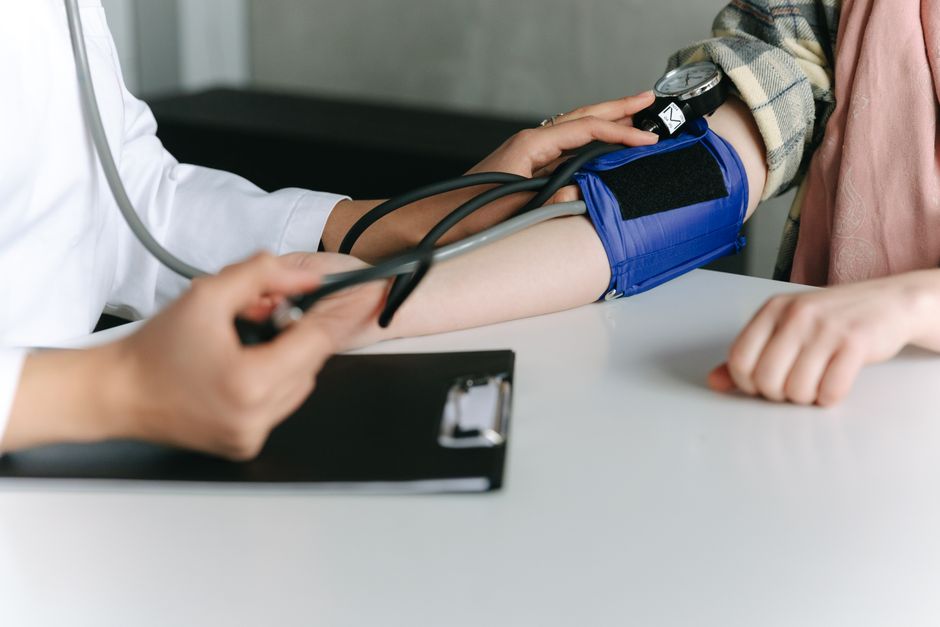
Most people worry about high blood pressure. Low blood pressure gets far less attention — and for good reason. For many people, a low reading is normal and harmless. The numbers only matter when they cause symptoms.
So what should you actually do about low blood pressure? If you feel fine, there is usually nothing to do. If you feel dizzy, lightheaded, or faint, the first step is to find out why. That means talking to a doctor rather than guessing. Treatment, when it is needed, depends entirely on the cause.
What Counts as Low Blood Pressure?
There is no single number that defines low blood pressure. This surprises many people.
For most adults, a normal blood pressure reading is below 120/80 mmHg. High blood pressure is generally defined as 130/80 mmHg or higher. But there is no agreed cutoff for “too low.” A reading of 90/60 mmHg or lower is often called low blood pressure in medical settings. Yet plenty of healthy people live at that level their whole lives with no problems at all.
What matters is the relationship between your numbers and your symptoms. A fit young person might feel perfectly normal at 95/60. An older adult whose pressure suddenly drops to that level might faint. The number alone does not tell the story. The context does.
This is why doctors rarely treat a low number by itself. They treat the person in front of them.
What Causes Low Blood Pressure?
Low blood pressure has many possible causes, and they range from completely harmless to genuinely serious. Sorting out which one applies to you is the whole point of seeing a doctor.
Some common causes include:
- Dehydration — not enough fluid in the body lowers blood volume and pressure.
- Medications — diuretics, some heart drugs, certain antidepressants, and drugs for Parkinson’s disease can all lower pressure.
- Prolonged bed rest — deconditioning can reduce pressure over time.
- Heart problems — a very slow heart rate, valve issues, or heart failure can reduce pressure.
- Endocrine conditions — thyroid problems, adrenal insufficiency, and low blood sugar can play a role.
- Severe infection — this is a medical emergency, not a routine cause.
- Blood loss — from injury or internal bleeding.
- Pregnancy — blood pressure often drops naturally during pregnancy as blood vessels relax.
One cause that is easy to miss is a sudden drop after standing up. This is called orthostatic hypotension. It happens when your body does not adjust quickly enough to the change in position. Blood pools in your legs, and your brain briefly gets less blood. You may feel dizzy or see spots for a few seconds.
Some people get low pressure after eating a large meal. This is called postprandial hypotension, and it is more common in older adults. The digestive process diverts blood to the gut, and pressure dips.
When Should You Worry About Low Blood Pressure?
Low blood pressure is only a concern when it causes symptoms or signals an underlying problem. That is the dividing line.
Symptoms worth paying attention to include:
- Dizziness or lightheadedness
- Fainting
- Blurred or fading vision
- Fatigue that is unusual for you
- Nausea
- Difficulty concentrating
- Cold, clammy, or pale skin
- Rapid or shallow breathing
These symptoms matter because they can lead to falls and injuries. For older adults especially, a fainting episode can cause a fracture or a head injury. That is a real risk, not a minor one.
Some situations call for urgent medical attention. If low blood pressure comes with chest pain, severe shortness of breath, confusion, a rapid weak pulse, or fainting, seek emergency care right away. These can be signs of shock, which is a life-threatening condition.
If your symptoms are mild and occasional — a brief dizzy spell when you stand up, for example — mention it to your doctor at your next visit. There is no need to panic, but it should not be ignored either.

What To Do About Low Blood Pressure at Home
If your doctor has confirmed that your low blood pressure is not dangerous, some simple steps may reduce symptoms. These are general measures, not treatments for a specific condition.
Stay hydrated. Drinking enough water helps maintain blood volume. How much you need depends on your body size, activity level, climate, and health. There is no single number that fits everyone. For most healthy adults, thirst is a reasonable guide, though it becomes less reliable with age.
Stand up slowly. If you tend to feel dizzy when standing, take your time. Sit on the edge of the bed for a moment before getting up. Flex your ankles and calves a few times. This helps your circulation adjust.
Eat smaller, more frequent meals. If you notice pressure drops after eating, smaller meals may help. Large, heavy meals are more likely to trigger a dip.
Avoid standing still for long periods. If you must stand, shift your weight from leg to leg. Tensing your leg muscles helps push blood back toward your heart.
Consider compression stockings. These can help prevent blood from pooling in your legs. They are sometimes recommended for orthostatic hypotension. The evidence for their benefit is not uniform across all causes, so ask your doctor whether they make sense for your situation.
Some clinicians also suggest increasing salt intake for certain patients with low blood pressure. This is not a do-it-yourself fix. Extra sodium can be harmful for people with heart or kidney conditions. Only increase salt if your doctor specifically tells you to.
How Is Low Blood Pressure Treated?
Treatment depends on the cause. There is no single drug that simply “raises blood pressure” for everyone.
If a medication is causing the problem, your doctor may adjust the dose or switch to a different drug. Never stop or change a prescription on your own.
If dehydration is the issue, replacing fluids may be enough. In more serious cases, intravenous fluids are given in a hospital.
For ongoing orthostatic hypotension that does not respond to lifestyle measures, doctors sometimes prescribe medications. These include fludrocortisone, midodrine, or droxidopa. These drugs are used for specific situations and come with their own side effects and risks. They are not appropriate for everyone with low blood pressure.
When an underlying condition is found — such as a heart problem or an endocrine disorder — treating that condition is the priority. The blood pressure often corrects itself once the root cause is addressed.
What Does Not Work for Low Blood Pressure?
A lot of advice circulates online about low blood pressure that is not supported by evidence. It is worth knowing what to skip.
Caffeine is often suggested as a quick fix. Some studies suggest it can cause a brief rise in blood pressure, but the effect is small and short-lived. It is not a reliable treatment.
Various supplements are marketed for low blood pressure. No large human trials have confirmed that these products raise blood pressure in a meaningful or lasting way. Some can interact with medications. Treat supplement claims with skepticism.
Drinking alcohol to “stimulate circulation” is not helpful. Alcohol can actually lower blood pressure further and increase the risk of falls.
The most reliable approach is the least exciting one: identify the cause, address what can be addressed, and manage symptoms with your doctor’s guidance.
Do You Need Treatment If You Feel Fine?
No. If your blood pressure is low but you have no symptoms and no underlying condition, treatment is not needed.
Many healthy people — especially those who are young, fit, or naturally slender — have low blood pressure as their normal state. It does not require fixing.
Some research even suggests that, in certain populations, lower blood pressure within the normal range is associated with better cardiovascular outcomes. But that is a broad pattern, not a personal prescription. It does not mean lower is always better for everyone.
The key question is not “what is my number?” It is “how do I feel, and is anything else going on?”
Frequently Asked Questions
What is considered dangerously low blood pressure?
There is no single cutoff, but a reading of 90/60 mmHg or lower with symptoms like fainting, confusion, or chest pain needs urgent medical attention. A low number without symptoms is usually not dangerous.
How do you raise low blood pressure quickly?
If you feel dizzy, sit or lie down and raise your legs above heart level to help blood flow back to your brain. Drinking water can help if you are dehydrated, but persistent symptoms need a doctor’s evaluation.
Can low blood pressure cause a heart attack?
Low blood pressure itself does not typically cause a heart attack. However, a sudden drop in blood pressure can reduce blood flow to the heart and other organs, which is a medical emergency when it happens.
Should I eat more salt for low blood pressure?
Only if your doctor recommends it. Extra sodium can be harmful for people with heart, kidney, or other conditions, so it should not be increased on your own.
