
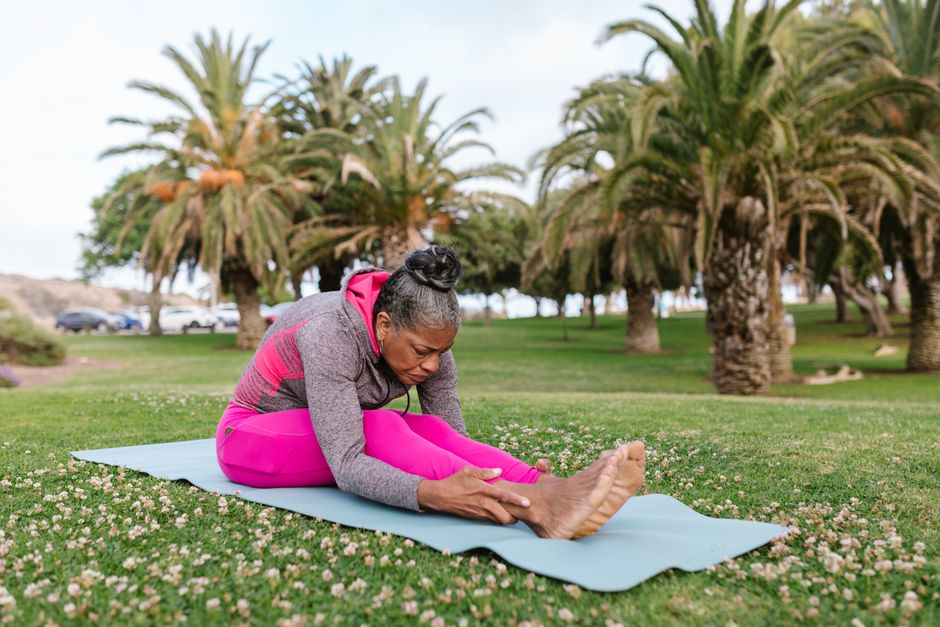
Bending your knee stretches the hamstring muscles, and a muscle that is suddenly stretched can fire a reflex contraction that feels like a cramp. This is called a stretch reflex, and it is a normal response that usually stays quiet. When the reflex misfires — because the muscle is fatigued, dehydrated, or already shortened from sitting — the contraction can lock the muscle and cause pain.
Hamstring cramps when bending the knee are common and usually not a sign of something serious. But the reason behind them matters, because cramping from a tired muscle is handled differently than cramping from a nerve problem or a medication side effect.
Why Do I Get Hamstring Cramps When Bending My Knee?
The hamstrings are a group of three muscles that run down the back of your thigh. They cross both the hip and the knee joint, which means they do two jobs: they bend the knee and they extend the hip. When you bend your knee, the hamstring shortens. When you straighten it, the hamstring lengthens.
A cramp happens when the muscle contracts on its own and will not relax. Bending the knee can trigger this in a few ways. If the muscle is already shortened and tired, the signal to contract can get stuck. If the muscle is suddenly stretched as you move, the stretch reflex can overreact and clamp down. Either way, the result is the same painful knot.
There is a detail many people miss. The hamstring is not one muscle but three — the biceps femoris, the semitendinosus, and the semimembranosus. They have different nerve supplies and slightly different jobs. The biceps femoris, on the outer side of the back of the thigh, is the one most often involved in cramping and strain, partly because of how it rotates the lower leg as it bends the knee. That is why a hamstring cramp often shows up on the outer back of the thigh rather than the center.
Most hamstring cramps are benign. They resolve on their own or with gentle stretching. The question is whether yours are a one-off annoyance or a pattern worth looking into.
What Causes Hamstring Cramps When You Bend Your Knee?
Several things can set off a hamstring cramp, and they often overlap. Fatigue is the most common trigger. A muscle that has been working hard or held in one position for a long time is more likely to cramp when asked to move.
Dehydration and electrolyte loss play a role, though the picture is more complicated than the usual advice suggests. Sweating heavily during exercise or in heat can shift the balance of sodium, potassium, and magnesium in your body. Low sodium in particular is linked to exercise-associated cramping in some studies. But research on electrolytes and cramps has produced mixed results. Not everyone who cramps is low on electrolytes, and taking supplements does not reliably stop cramps in people who are not deficient.
Sitting for long periods shortens the hamstring. When you finally stand and bend your knee to walk, the muscle is caught between a shortened position and a sudden demand to work. This is why cramps can hit after a long car ride, a desk-bound workday, or a flight.
Other contributors include:
- Muscle fatigue from exercise, especially sprinting or repeated knee bending
- Cold muscles asked to perform without a warm-up
- Certain medications, including some diuretics and statins
- Nerve compression in the lower back, which can cause cramp-like symptoms in the leg
- Medical conditions such as thyroid disorders, kidney disease, or diabetes
- Pregnancy, which changes circulation and mineral balance
Age matters too. Cramps become more common as people get older, though the exact reasons are not fully understood. Loss of muscle mass, changes in nerve signaling, and reduced fluid intake all likely contribute.
Is It a Cramp or Something Else?
Not every sharp pain in the back of the thigh is a cramp. Telling the difference matters, because some causes need medical attention.
A true cramp is a sudden, hard tightening of the muscle. You can often see or feel the muscle knot. It eases within seconds to a few minutes, though the muscle may stay sore for a day or two.
A muscle strain is different. It happens when fibers are overstretched or torn, usually during a sudden movement. The pain is sharp and immediate, and it does not release the way a cramp does. There may be swelling, bruising, or weakness. A strain usually needs rest and sometimes medical evaluation.
Nerve pain from the lower back, sometimes called sciatica, can also cause pain down the back of the leg. It tends to feel like burning, tingling, or electric shocks rather than a tight knot. It may travel below the knee, which a hamstring cramp usually does not.
Blood flow problems in the leg are less common but more serious. A deep vein thrombosis can cause calf or thigh pain, swelling, and warmth. This is a medical emergency. If you have these symptoms, especially after surgery, a long flight, or with a history of clotting, seek care right away.
If your cramps are frequent, happen at rest, come with weakness or numbness, or do not improve with basic measures, that is a reason to see a doctor.




How Do You Stop a Hamstring Cramp When It Happens?
When a cramp hits, the goal is to gently lengthen the muscle and calm the reflex. Straightening the knee and slowly extending the leg is the first step. Do not force it. Move into the stretch until you feel tension, not sharp pain, and hold it.
Standing and putting weight on the leg can help, if you are able. Gently massaging the muscle can also ease the knot. Heat helps some people relax the muscle, while ice helps if there is soreness afterward.
Once the cramp releases, do not immediately go back to hard activity. Give the muscle a few minutes. Drink water, especially if you have been sweating.
Some clinicians recommend pickle juice or other salty drinks for exercise cramps. The evidence here is limited. Any relief may come from the strong taste triggering a nerve response rather than from the salt being absorbed, since the effect can appear within seconds — too fast for the drink to reach the muscle. That does not make it useless, but it is not the same as correcting a deficiency.
How Can You Prevent Hamstring Cramps?
Prevention depends on what is causing your cramps. If they tend to happen during exercise, a proper warm-up is one of the most reliable steps. A few minutes of light activity before harder effort raises muscle temperature and prepares the hamstring for work.
Stretching is widely recommended, but the evidence that it prevents cramps is weaker than most people assume. Stretching improves flexibility and may reduce strain risk, but studies have not consistently shown that it stops cramps. It is still reasonable to include, especially if your hamstrings feel tight.
Strength matters. Hamstrings that are weak relative to the quadriceps are more prone to problems. Exercises that build hamstring strength, such as bridges, leg curls, and controlled hip hinges, support the muscle without overloading it.
For hydration and electrolytes, the honest position is that the evidence is mixed. Drinking enough fluid during long or hot activity is sensible. If you sweat heavily for hours, replacing sodium may help. But routine electrolyte supplements for occasional cramps are not well supported by strong evidence.
If you take a medication that lists cramps as a side effect, do not stop it on your own. Talk to your prescriber about whether it could be contributing.
When Should You See a Doctor About Hamstring Cramps?
Occasional cramps after hard exercise or long sitting are usually not a concern. See a doctor if cramps are frequent, severe, or happen when you are at rest. Also seek care if you notice weakness, numbness, or pain that travels down the leg.
Certain signs need urgent attention. Swelling, warmth, redness, or pain in one leg that does not ease could point to a blood clot. Cramps with dark urine after intense exercise can signal muscle breakdown, which is a medical emergency.
Blood tests can check for electrolyte imbalances, thyroid problems, kidney issues, and other conditions that cause cramping. If a cause is found, treating it often reduces the cramps. If no cause is found, the focus shifts to managing triggers and symptoms.
Most people with hamstring cramps do not have a serious underlying disease. But when cramps change in pattern, get worse, or come with other symptoms, that change is worth a conversation with a clinician.
Frequently Asked Questions
Why does bending my knee cause a hamstring cramp?
Bending the knee shortens the hamstring, and a tired or tight muscle can contract and stay locked. The stretch reflex can also overreact as the muscle changes length, triggering the cramp.
Are hamstring cramps a sign of a vitamin deficiency?
Sometimes, but not usually. Low levels of certain electrolytes or minerals can contribute, though most cramps come from muscle fatigue, dehydration, or prolonged sitting rather than a true deficiency.
Should I stretch when I feel a hamstring cramp coming on?
Gently straightening the knee and slowly lengthening the muscle can help release an active cramp. Move only to the point of tension, not sharp pain, and avoid forcing the stretch.
When should hamstring cramps worry me?
See a doctor if cramps are frequent, happen at rest, or come with weakness, numbness, or leg swelling. Those signs can point to a nerve, circulation, or other medical issue that needs evaluation.
