
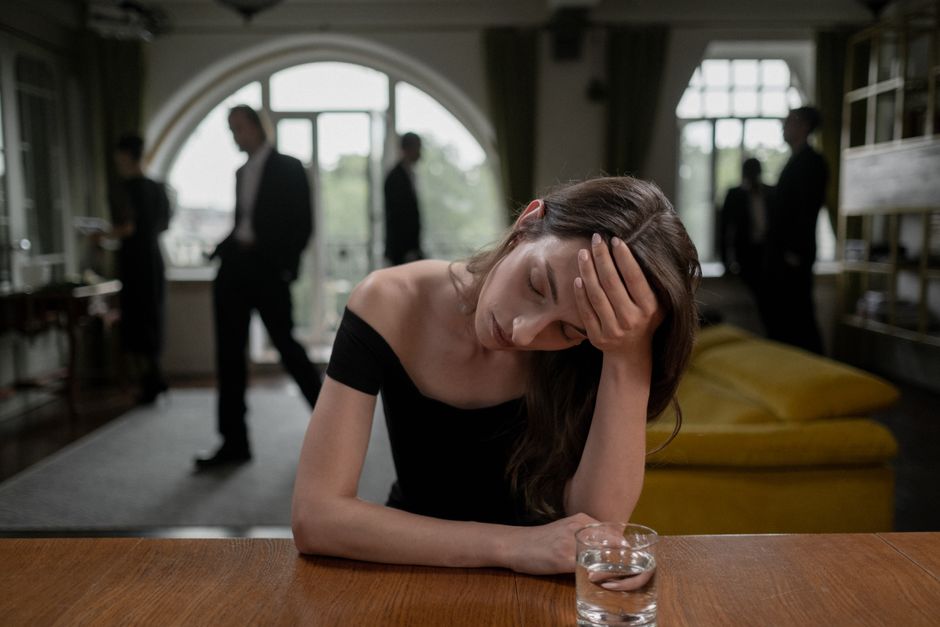
You wake up after a night of drinking and your mind is racing. Your heart pounds. You replay every conversation, wondering if you said something wrong. This is not just a bad hangover. It is a real physical and mental reaction called anxiety after drinking. Some people call it “hangxiety.” The science behind it is clear. Alcohol changes your brain chemistry in ways that can cause serious anxiety once the alcohol wears off.
What Causes Anxiety After Drinking?
Alcohol is a depressant. That means it slows down your central nervous system. When you drink, your brain produces more GABA, a chemical that makes you feel calm and relaxed. It also blocks glutamate, a chemical that makes you feel alert and anxious. That is why the first few drinks feel so good.
But your brain fights back. To keep things balanced, it produces more of the stimulating chemicals. When you stop drinking, the alcohol leaves your system but the extra stimulating chemicals stay. Your brain is now overactive. You feel jittery, on edge, and anxious. This is called a rebound effect. Research published in the journal Alcoholism: Clinical and Experimental Research found that anxiety levels spike during alcohol withdrawal, even in people who do not normally have anxiety disorders.
Your body also produces more cortisol, the stress hormone, after drinking. The National Institute on Alcohol Abuse and Alcoholism (NIAAA) reports that alcohol consumption triggers a cortisol release that can last well into the next day. High cortisol levels make you feel stressed and worried. This is not in your head. It is biology.
Does Alcohol Cause Anxiety in People Who Do Not Normally Have It?
Yes. Studies have found that alcohol can cause anxiety symptoms in people who have never had an anxiety disorder before. A 2019 study in the journal Depression and Anxiety looked at over 26,000 adults. It found that people who drank heavily were significantly more likely to report anxiety symptoms the next day, regardless of their mental health history.
This is widely claimed though strong evidence is limited on exactly why some people are more sensitive than others. Some people report that even one or two drinks can trigger a wave of anxiety the next morning. Others can drink more and feel fine. The difference may come down to genetics, how fast your body processes alcohol, and your baseline stress levels.
What is clear is that alcohol does not just make existing anxiety worse. It can create anxiety where there was none. If you have never had an anxiety attack in your life, a night of heavy drinking can give you one.
How Long Does Anxiety After Drinking Last?
For most people, the anxiety peaks about 24 hours after their last drink. That is when blood alcohol concentration drops to zero. The rebound effect is strongest at this point. The CDC notes that alcohol metabolism varies by person, but the average person processes about one standard drink per hour.
Mild hangxiety usually fades within 24 to 48 hours. But for some people, it can last longer. If you drink heavily for several days in a row, your brain has more time to adapt. The withdrawal can be more intense and last longer. Some people report feeling anxious for three to five days after a heavy drinking session.
The duration also depends on how much you drank, how hydrated you stayed, and whether you ate food. But the most important factor is your drinking pattern. Binge drinking — defined by the NIAAA as four or more drinks for women and five or more for men in about two hours — causes the strongest rebound anxiety.

What Is the Difference Between Hangxiety and a Hangover?
Hangovers include physical symptoms like headache, nausea, fatigue, and sensitivity to light and sound. Hangxiety is the mental and emotional part. It is a specific type of anxiety that occurs during a hangover. But not everyone with a hangover gets hangxiety.
Some people report that their hangover is purely physical. They feel sick but not worried. Others wake up with a clear physical hangover and a mind full of dread. The difference may be in how your brain chemistry responds to the rebound effect. People with lower baseline GABA levels or higher baseline glutamate levels may be more prone to hangxiety.
Here is a quick comparison:
| Symptom Type | Hangover | Hangxiety |
|---|---|---|
| Physical | Headache, nausea, fatigue | Racing heart, sweating, shaking |
| Mental | Brain fog, trouble concentrating | Worry, dread, replaying conversations |
| Emotional | Irritability, sadness | Guilt, shame, fear of judgment |
| Duration | 24 hours typically | 24 to 48 hours typically |
If you have both physical and mental symptoms, you are dealing with hangxiety. It is a real condition and not a sign of weakness.
What Can You Do to Reduce Anxiety After Drinking?
The most effective way to prevent hangxiety is to drink less or not at all. But if you do drink, there are steps that can help. Research suggests that hydration plays a role. Alcohol is a diuretic, meaning it makes you urinate more. Dehydration can worsen anxiety symptoms. Drink water before, during, and after drinking.
Eating food before and while drinking slows alcohol absorption. A meal with protein and healthy fats helps your liver process alcohol more steadily. The NIAAA recommends eating before drinking to reduce peak blood alcohol concentration.
Sleep is critical. Alcohol disrupts REM sleep, which is the restorative part of your sleep cycle. Poor sleep makes anxiety worse. If you can, allow yourself extra time to sleep or rest the next day. Avoid caffeine, which can mimic anxiety symptoms like a racing heart and jitteriness.
Gentle movement like walking or stretching can help lower cortisol levels. But avoid intense exercise until you are fully hydrated and nourished. Your body is already stressed. Pushing it too hard can backfire.
What Should You Avoid When You Have Hangxiety?
Do not drink more alcohol to feel better. This is called “hair of the dog.” It temporarily numbs the anxiety but makes the rebound worse later. You are just delaying the crash. The NIAAA warns that this pattern can lead to dependence.
Do not isolate completely. Anxiety tells you to hide. But staying in bed alone with your thoughts can make the worry spiral worse. Texting a trusted friend or spending time with a calm family member can help ground you. You do not have to talk about the anxiety. Just being around someone safe can help.
Do not scroll through your phone obsessively. Checking social media or text messages to see if you did something embarrassing feeds the anxiety loop. If you are worried about something you did or said, wait until you feel more clear-headed to address it. Most people are not thinking about you as much as your anxiety thinks they are.
When Should You Talk to a Doctor About Anxiety After Drinking?
If hangxiety happens every time you drink, or if it lasts more than a few days, talk to a healthcare provider. The Anxiety and Depression Association of America (ADAA) recommends discussing any pattern of anxiety that interferes with your daily life. Your doctor can rule out other causes like an anxiety disorder or alcohol use disorder.
Some people use alcohol to manage existing anxiety. This is a dangerous cycle. Alcohol provides short-term relief but makes long-term anxiety worse. If you find yourself drinking to cope with stress or worry, that is a red flag. The Substance Abuse and Mental Health Services Administration (SAMHSA) offers a national helpline at 1-800-662-4357.
There is no shame in asking for help. Anxiety after drinking is a biological reaction. It is not a moral failing. If it is affecting your quality of life, a therapist or doctor can help you find better ways to manage it.
Common Misconceptions About Anxiety After Drinking
Some people believe that hangxiety only happens to people who already have anxiety. That is not true. As discussed, alcohol can trigger anxiety in anyone. Another myth is that drinking more water will completely prevent hangxiety. Hydration helps with physical hangover symptoms but does not stop the brain chemistry rebound. It can reduce the severity but not eliminate it.
Some people think that only binge drinking causes hangxiety. While heavy drinking is the strongest trigger, some people report anxiety after just two or three drinks. Everyone’s brain chemistry is different. There is no safe amount of alcohol that guarantees no anxiety. The only sure way to avoid it is to not drink.
Another misconception is that hangxiety is just guilt or shame about drinking. Guilt and shame can be part of it, but the physical anxiety is real. Your brain is literally overstimulated. Telling yourself to “just relax” does not work because the chemistry is working against you.
Frequently Asked Questions
Why do I get anxiety the morning after drinking?
Your brain overproduces stimulating chemicals to counter alcohol’s depressant effects. When alcohol leaves your system, those chemicals remain, causing a rebound anxiety spike.
Can one drink cause anxiety the next day?
Some people report anxiety after even one drink, though strong evidence is limited on how common this is. Sensitivity varies widely based on genetics and brain chemistry.
How can I calm hangxiety quickly?
Hydrate with water, eat a balanced meal, rest, and avoid caffeine. Gentle movement like walking can help lower cortisol levels.
Is hangxiety a sign of alcohol addiction?
Not necessarily, but if it happens regularly or leads to drinking more to cope, it may indicate alcohol use disorder. Talk to a doctor if you are concerned.
