
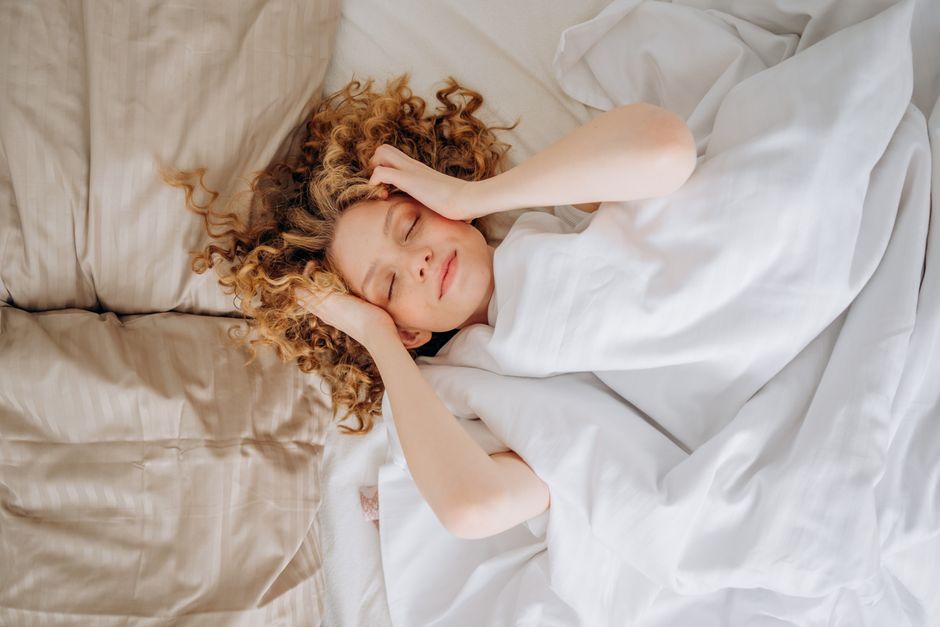
You went to bed at a reasonable hour. You slept through the night. And yet, when the alarm goes off, you feel like you barely rested at all. This is a frustratingly common experience, and it usually points to something specific. The top reasons you feel tired after a full night of sleep are poor sleep quality rather than sleep quantity, undiagnosed sleep disorders like sleep apnea, and fragmented sleep cycles that prevent you from reaching the deep restorative stages. Your body may be spending hours in bed, but if your brain isn’t cycling through the proper sleep stages, you will wake up feeling drained regardless of the clock.
Why Do I Feel Tired After Sleeping Top Reasons: The Quality vs. Quantity Problem
Most adults need between seven and nine hours of sleep per night. But hitting that number on your sleep tracker is only half the battle. Sleep quality matters just as much as sleep duration. You can sleep nine hours and still feel exhausted if that sleep is broken, shallow, or disrupted.
Sleep happens in cycles. Each cycle lasts about 90 minutes and includes light sleep, deep sleep, and REM sleep. Deep sleep is when your body repairs tissue, builds bone and muscle, and strengthens the immune system. REM sleep is when your brain consolidates memories and processes emotions. If something interrupts these cycles, you miss out on the restorative work your body needs to do.
Waking up multiple times during the night — even if you don’t remember it — fragments your sleep. Each awakening resets your sleep cycle. You might drift back to sleep quickly, but you lose the continuous deep sleep that leaves you feeling refreshed in the morning.
Sleep Apnea: The Most Common Hidden Cause
Obstructive sleep apnea is one of the most common reasons people feel exhausted after a full night in bed. It happens when your airway partially or fully collapses during sleep. Your breathing stops briefly, your brain senses a lack of oxygen, and it wakes you up just enough to restart breathing. This can happen dozens or even hundreds of times per night.
Most people with sleep apnea have no idea they are waking up. They don’t remember the episodes. They just know they wake up tired, with a headache, a dry mouth, or a sore throat. Loud snoring and gasping sounds during sleep are classic warning signs, but not everyone with sleep apnea snores.
If you feel tired despite sleeping seven or more hours, and you also snore loudly, wake up gasping, or have been told you stop breathing during sleep, sleep apnea is a real possibility. It is a medical condition that requires diagnosis through a sleep study. Treatment typically involves a CPAP machine, oral appliances, or positional therapy. Left untreated, sleep apnea does more than make you tired — it increases your risk of high blood pressure, heart disease, and stroke.
Insomnia and the Illusion of Sleep
Insomnia is not just difficulty falling asleep. It also includes difficulty staying asleep and waking up too early. Some people with insomnia believe they are sleeping fine, but their sleep is lighter and more fragmented than they realize.
This is called sleep state misperception. People with this condition underestimate how much they actually sleep and overestimate how long it takes them to fall asleep. They genuinely feel exhausted during the day, but their sleep studies show they are getting a fairly normal amount of sleep. The problem is that their sleep is poor quality — full of micro-arousals that prevent deep restorative sleep.
Chronic insomnia can also create a state of hyperarousal. Your nervous system stays on high alert, even when you are trying to sleep. This keeps your brain in a lighter stage of sleep and prevents the deep stages from occurring. The result is a night that feels like sleep but doesn’t restore you.





Restless Legs Syndrome and Periodic Limb Movements
Restless legs syndrome causes an uncontrollable urge to move your legs, usually in the evening or at night. The sensation is often described as crawling, pulling, or itching deep inside the legs. Moving the legs provides temporary relief, but the urge returns.
A related condition, periodic limb movement disorder, involves involuntary leg twitches or kicks during sleep. These movements can happen every 20 to 40 seconds throughout the night. Each movement may briefly wake you, fragmenting your sleep without you realizing it.
Both conditions disrupt sleep architecture. You spend less time in deep sleep and more time in lighter stages. People with these conditions often wake up exhausted even after what feels like a full night of sleep. A sleep study can identify periodic limb movements. Restless legs syndrome is often diagnosed based on symptoms alone.
Your Sleep Environment and Pre-Sleep Habits
Sometimes the problem is not a medical condition. It is the environment you sleep in or the habits you follow before bed.
Alcohol is a common culprit. It helps you fall asleep faster, but it fragments sleep in the second half of the night. Alcohol suppresses REM sleep and increases nighttime awakenings. A drink before bed might make you drowsy, but it will likely leave you feeling less rested the next morning.
Caffeine has a half-life of about five to six hours. That means if you drink coffee at 3 p.m., half of the caffeine is still in your system at 9 p.m. Even if you fall asleep, caffeine can reduce deep sleep and increase nighttime awakenings. Some research suggests that caffeine consumed even six hours before bed can reduce total sleep time by more than one hour.
Your bedroom temperature also matters. Your core body temperature needs to drop slightly to initiate and maintain sleep. A room that is too warm can keep you in lighter sleep stages. Most sleep experts recommend a bedroom temperature between 60 and 67 degrees Fahrenheit.
Light exposure plays a role too. Exposure to bright light, especially blue light from screens, suppresses melatonin production. Melatonin is the hormone that signals your brain it is time to sleep. Using your phone or watching television in bed can delay melatonin release and shift your sleep later, even if you still get the same total hours.
Medical Conditions That Cause Daytime Fatigue
Sometimes the problem is not your sleep at all. Several medical conditions cause fatigue that persists no matter how much sleep you get.
Anemia is one example. It means your blood doesn’t carry enough oxygen to your tissues. Common symptoms include fatigue, weakness, and shortness of breath. Iron deficiency is the most common cause, but vitamin B12 deficiency and other conditions can also lead to anemia.
Hypothyroidism slows your metabolism. This can cause fatigue, weight gain, and feeling cold all the time. It is diagnosed with a simple blood test measuring thyroid-stimulating hormone.
Diabetes and prediabetes can also cause fatigue. When your cells cannot use glucose properly, your body lacks the fuel it needs for energy. Frequent urination at night, especially if it wakes you multiple times, can also fragment your sleep.
Depression and anxiety are strongly linked to fatigue. These conditions can disrupt sleep architecture, reduce deep sleep, and cause early morning awakenings. Fatigue is one of the most common symptoms of depression, and it often persists even when sleep duration seems adequate.
When to See a Doctor
Feeling tired after sleeping occasionally is normal. A bad night here and there happens to everyone. But if you consistently wake up exhausted despite spending seven to nine hours in bed, it is worth talking to a doctor.
Pay attention to other symptoms. Loud snoring, gasping during sleep, morning headaches, and daytime sleepiness that interferes with your work or driving are all red flags. So are persistent fatigue combined with weight changes, mood changes, or feeling cold.
A doctor can order blood tests to check for anemia, thyroid problems, diabetes, and vitamin deficiencies. If a sleep disorder is suspected, they may refer you for a sleep study. This test monitors your brain waves, breathing, heart rate, and oxygen levels while you sleep. It is the only reliable way to diagnose sleep apnea and certain other sleep disorders.
Frequently Asked Questions
Why do I wake up tired after 8 hours of sleep?
Sleep quality matters more than sleep quantity, and conditions like sleep apnea or fragmented sleep can prevent you from reaching deep restorative sleep stages. Medical issues such as anemia, thyroid problems, or depression can also cause fatigue regardless of sleep duration.
What vitamin deficiency causes tiredness after sleeping?
Iron, vitamin B12, and vitamin D deficiencies are all linked to fatigue. A blood test can check your levels, and your doctor can recommend appropriate supplementation based on the results.
Can sleep apnea make you tired even if you sleep all night?
Yes, sleep apnea fragments your sleep dozens of times per hour without you realizing it, preventing deep sleep. Many people with sleep apnea get a full night of sleep but wake up exhausted, with headaches, or feeling unrefreshed.
How do I know if my tiredness is from poor sleep or a medical condition?
If you snore loudly, wake up gasping, or have been told you stop breathing during sleep, a sleep disorder is likely. If you have other symptoms like weight changes, feeling cold, or low mood, blood tests can help rule out conditions like thyroid disease, anemia, or depression.
