
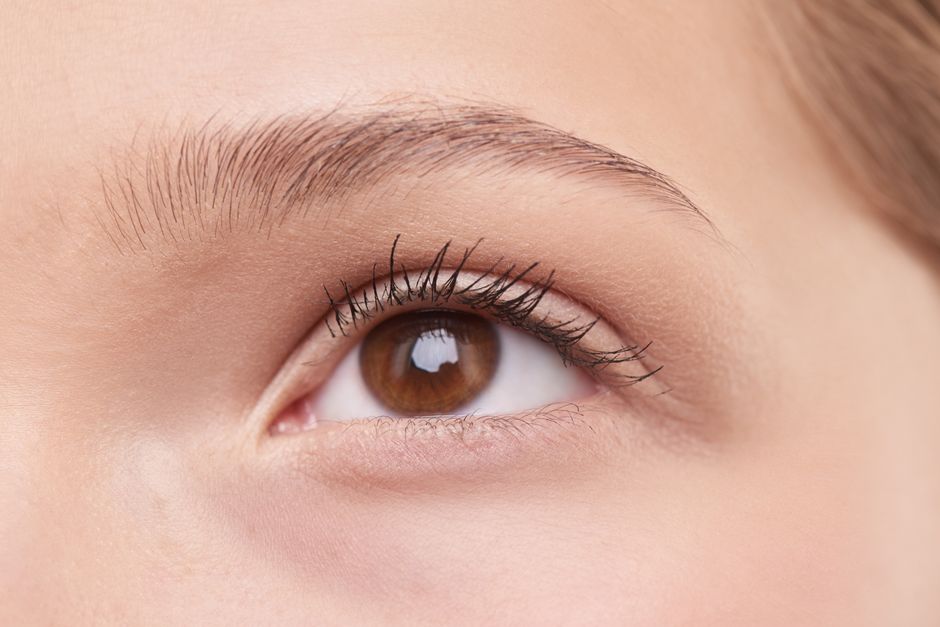
Have you noticed your eyebrows becoming sparser? Eyebrow thinning can happen for several reasons: overplucking, aging, hormonal shifts, medical conditions like thyroid disease or alopecia areata, nutritional deficiencies, and skin conditions such as seborrheic dermatitis. Understanding the underlying cause is key to finding the right approach.
What Causes Eyebrow Thinning?
Eyebrow hair follows the same growth cycle as the hair on your scalp, but the follicles are smaller and more sensitive. When something disrupts that cycle — repeated trauma, hormones, immune system activity, or inflammation — the hair may stop growing or fall out faster than it can be replaced.
The most common causes fall into a few categories. Mechanical damage from tweezing or waxing tops the list, especially for people who have shaped their brows for years. Aging naturally slows hair growth and can cause hairs to stop regrowing entirely. Hormonal changes, especially those tied to menopause or thyroid dysfunction, can shift the hair cycle. Autoimmune conditions, such as alopecia areata, target hair follicles directly. And less often, poor nutrition or skin disease plays a role.
Overplucking and Hair Removal Damage
Repeatedly pulling hairs out by the root — the way plucking and waxing do — damages the hair follicle over time. In some cases, the damage becomes permanent. The hair stops coming back. This is a form of traction alopecia, which means hair loss caused by pulling or tension.
If you stopped plucking months or years ago and the hairs never returned, the follicle may have scarred. If you are still plucking regularly, stopping now may allow some hairs to regrow over the next several months. There is no guarantee, but the earlier you stop, the better your chance of recovery. Dermatologists generally advise against aggressive plucking if you want to maintain full brows.
Aging and Hormonal Changes
Hair thins naturally as you get older. Eyebrow hairs do not grow as long, and some follicles stop producing hair entirely. This process speeds up after menopause when estrogen levels drop. Lower estrogen can reduce hair density across the body, including the brows.
Thyroid disorders are another common hormonal cause. Both an underactive thyroid (hypothyroidism) and an overactive thyroid (hyperthyroidism) can disrupt the hair growth cycle. A well-known sign is thinning of the outer third of the eyebrow. If you have other symptoms — fatigue, weight changes, dry skin, temperature sensitivity — a thyroid test is reasonable.




Medical Conditions: Alopecia Areata, Thyroid Disease, and More
Alopecia areata is an autoimmune condition in which the immune system attacks hair follicles. It often causes small, round patches of hair loss on the scalp, but it can also affect the eyebrows. The loss can be sudden. Some people have only one episode; others have recurring or persistent hair loss. Treatment options exist, but results vary.
Frontal fibrosing alopecia is a less common condition that specifically affects the eyebrows and hairline. It causes gradual, permanent scarring of follicles. It is more common in postmenopausal women. If you notice your eyebrows thinning at the same time your hairline is receding, this is worth bringing up with a dermatologist.
Telogen effluvium is a temporary hair shedding that happens after a physical or emotional stressor — surgery, illness, childbirth, extreme stress. It typically affects the scalp, but some people notice eyebrow thinning as well. The hair usually returns once the stressor resolves, but it can take months.
Nutritional Deficiencies and Skin Conditions
Your hair follicles need certain nutrients to function. Low iron levels (iron deficiency) are linked to hair thinning, though most research focuses on scalp hair. Zinc and biotin deficiencies can also affect hair growth, but true deficiencies are uncommon in people who eat a varied diet. Crash dieting or eating disorders put you at higher risk.
Skin conditions that affect the eyebrow area can cause hair loss. Seborrheic dermatitis — a common, flaky, itchy condition of the scalp and eyebrows — can lead to hair loss if you scratch or rub the area repeatedly. Eczema and psoriasis can do the same. Fungal infections of the skin, such as tinea capitis, can also cause patchy hair loss, but this is more common in children.
If your eyebrows are red, scaly, itchy, or crusted, that suggests a skin condition rather than a systemic or mechanical cause. Treating the skin problem often allows the hair to regrow.
When to See a Doctor
You should consider seeing a doctor if the thinning is sudden, patchy, or accompanied by other symptoms — fatigue, weight changes, hair loss on other parts of the body, or skin changes. A primary care doctor can run basic blood tests for thyroid function, iron levels, and other common causes. A dermatologist can examine your scalp and eyebrows with a dermatoscope and diagnose conditions like alopecia areata or frontal fibrosing alopecia.
There is no need to panic if thinning has been slow and gradual over years without any other symptoms. That pattern is most consistent with aging or long-term plucking. But if you are unsure of the cause, it is worth getting checked. Early diagnosis of conditions like thyroid disease or autoimmune alopecia can make treatment more effective.
Treatment Options and What Works
Treatment depends entirely on the cause. If you have overplucked and the follicles are not scarred, the best approach is to stop all hair removal and wait. It can take six months to a year to see regrowth. Some people find that brow serums containing peptides or prostaglandin analogs — such as bimatoprost, the active ingredient in Latisse — can stimulate growth. Bimatoprost is FDA-approved for eyelashes, not eyebrows, but dermatologists sometimes prescribe it off-label. Small studies suggest it can increase eyebrow hair density, but the evidence is limited.
For alopecia areata, doctors may inject corticosteroids directly into the affected areas. This can suppress the immune attack and allow hair to regrow within weeks to months. Topical minoxidil (Rogaine) is another option. Minoxidil is not approved specifically for eyebrows, but some dermatologists recommend it off-label. Results vary, and not everyone responds.
If the cause is thyroid disease, treating the underlying thyroid problem usually halts further hair loss and may allow some regrowth, though it can be slow. For nutritional deficiencies, correcting the deficiency — iron supplements, vitamin B12, biotin — can help, but only if you actually are deficient. Taking extra biotin when you do not need it will not make your eyebrows grow faster, and it can interfere with lab tests, including thyroid tests.
For skin conditions like seborrheic dermatitis, medicated shampoos or creams containing ketoconazole or steroids can control inflammation and itching. Once the skin heals, hair can regrow. Scarring conditions like frontal fibrosing alopecia are harder to treat and require early intervention with anti-inflammatory medications to prevent permanent loss.
No topical product can reverse scarring of follicles. Claims of “eyebrow regrowth” products on social media are often unproven. Look for products with published clinical studies, and be skeptical of dramatic before-and-after photos that may not reflect typical results.
Frequently Asked Questions
Can eyebrow hair grow back after overplucking?
Yes, some eyebrow hair can regrow after you stop plucking, but it depends on whether the follicles have been permanently damaged. If the hair has not regrown after a year of not plucking, the damage is likely permanent.
Is eyebrow thinning a sign of thyroid problems?
Thinning of the outer third of the eyebrow is a classic sign of thyroid disease, but many people with thyroid problems never develop this symptom. A simple blood test can check thyroid function.
Can stress cause eyebrow thinning?
Yes, severe stress can trigger telogen effluvium, a temporary condition where hair shifts into a shedding phase. This can affect eyebrows as well as scalp hair, and it usually resolves within months once the stress is over.
What vitamin deficiency causes eyebrow thinning?
Iron deficiency is the most common nutritional cause of hair thinning, though zinc and biotin deficiencies can also contribute. True vitamin deficiencies are not common in people with a balanced diet, so it is best to have a doctor run labs before taking supplements.
