
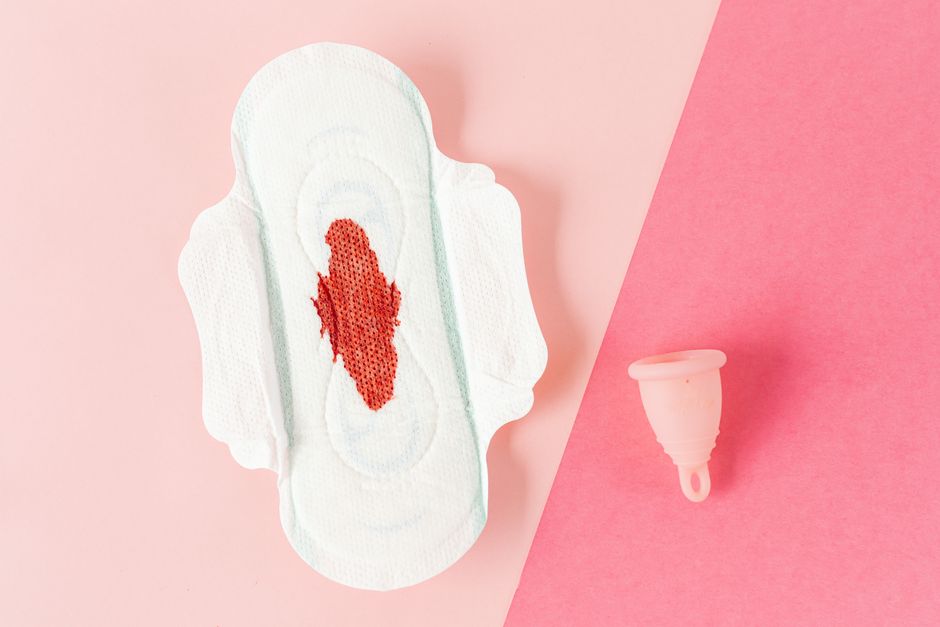
If you have ever noticed that your menstrual blood looks slimy or jelly-like and is bright red, you are not alone. This is a common observation, and it usually has a straightforward explanation. The slimy texture comes from cervical mucus mixing with your period blood, and the bright red color typically means the blood is fresh and flowing quickly. This combination is most common on heavy flow days and is generally a normal sign of a healthy cycle.
What Causes the Slimy Texture in Menstrual Blood?
The slimy or jelly-like texture you see is almost always cervical mucus. Your cervix produces mucus throughout your cycle. Its texture changes based on where you are in your cycle. Right before ovulation, cervical mucus is thin and slippery like egg whites. After ovulation, it becomes thicker and stickier.
When your period starts, this mucus mixes with the blood and uterine lining as it leaves your body. The result is a slimy, sometimes stringy consistency. This is normal. The amount of mucus varies from person to person and from cycle to cycle. Some people naturally produce more cervical mucus than others. If you notice large, jelly-like clots, that is also normal as long as they are smaller than a quarter. Larger clots should be discussed with a doctor.
Why Is My Period Blood Bright Red?
The color of your period blood tells you how fresh it is. Bright red blood means it is leaving your body quickly. It has not had time to oxidize and turn darker. This is most common on the first or second day of your period when flow is heaviest.
As your period slows down, blood stays in the uterus longer before exiting. This gives it time to react with oxygen. The blood then turns a darker red, brown, or even black. That is also normal. Research shows that the typical menstrual cycle involves a mix of blood colors. Bright red blood at the start is not a cause for concern. It simply indicates active bleeding. If your entire period is bright red and very heavy, that could signal something else, like a hormonal imbalance or a benign growth such as a fibroid. But for most people, seeing bright red is just a sign of a healthy, normal flow.
When Is Slimy Red Period Blood a Sign of Something Else?
Most of the time, slimy red period blood is normal. But there are a few situations where it is worth paying closer attention. The main concern is when the texture or color changes suddenly and stays that way for multiple cycles.
Here are the key signs to watch for:
- Large clots. Clots larger than a quarter can indicate heavy menstrual bleeding. This is a condition called menorrhagia. It can be caused by fibroids, polyps, or hormonal issues.
- Foul odor. If the slimy discharge has a strong, unpleasant smell, it could be a sign of an infection. Bacterial vaginosis or a sexually transmitted infection can change the smell and texture of discharge.
- Pain. Severe cramping or pelvic pain along with slimy discharge might point to endometriosis or pelvic inflammatory disease.
- Irregular timing. If you see slimy red discharge between periods or after sex, it could be a cervical issue. A cervical polyp or infection can cause this.
If you experience any of these, a visit to your healthcare provider is a good idea. They can run tests to rule out underlying conditions. As of 2026, current research suggests that most cases of slimy period blood are benign, but sudden changes should never be ignored.





Does Cervical Mucus Change During Your Period?
Yes, it does. Cervical mucus is not just present before ovulation. It is produced throughout your cycle, including during your period. The mucus you see during your period is a mix of what was already in the cervical canal and what is being produced during bleeding.
The texture of cervical mucus during your period can vary. It might be thin and watery or thick and sticky. This depends on your hormone levels at that specific time. Estrogen makes mucus thinner and more elastic. Progesterone makes it thicker and more opaque. During your period, estrogen levels are low, so the mucus is often thicker. But everyone is different. Some people notice more mucus on certain days of their period. This variation is completely normal and does not indicate a problem.
How Does Birth Control Affect Period Texture and Color?
Hormonal birth control can change the texture and color of your period blood significantly. Birth control pills, patches, rings, and IUDs all alter your natural hormone cycle. This changes how your uterine lining builds up and sheds.
For example, people on hormonal birth control often have lighter, thinner periods. The blood may appear more brownish because it takes longer to leave the body. The slimy texture might decrease because birth control can reduce the amount of cervical mucus produced. This is especially true for progestin-only methods like the mini-pill or the hormonal IUD. Some people experience no period at all on these methods. That is also normal. If you are on birth control and notice a sudden change in the texture or color of your period, it is worth checking with your doctor. But in general, the changes caused by birth control are expected and not dangerous.
What to Do If You Are Concerned About Slimy Red Period Blood
If you are worried about what you are seeing, the first step is to track it. Keep a simple log of your period each month. Note the color, texture, and any clots. Also note any pain or other symptoms. This information is very helpful for your doctor.
Here is a quick comparison of what is normal versus what might need attention:
| Normal Signs | Signs That Need a Check-Up |
|---|---|
| Slimy texture mixed with blood | Clots larger than a quarter |
| Bright red blood on heavy days | Foul or unusual odor |
| Dark red or brown blood on light days | Bleeding between periods |
| Mild cramping | Severe or worsening pain |
| Clots smaller than a quarter | Bleeding after sex |
If your symptoms fall into the right column, schedule an appointment. Your doctor can perform a pelvic exam, an ultrasound, or blood tests to find the cause. Most causes are treatable. Fibroids, polyps, and infections all have effective treatments. Even conditions like endometriosis can be managed with the right care.
Do not rely on online forums or social media for a diagnosis. Many viral health myths claim that slimy period blood is a sign of a “toxin cleanse” or a “hormone imbalance” that requires expensive supplements. There is no clinical evidence for these claims. The body does not need to be detoxed during a period. The uterus is simply shedding its lining. That is all.
Common Misconceptions About Period Texture and Color
There is a lot of misinformation online about what period blood should look like. One common myth is that “healthy” period blood should be a specific color or texture. This is not true. Healthy menstrual blood varies widely from person to person and from cycle to cycle.
Another myth is that slimy blood means you are “passing tissue” or “detoxing.” While it is true that you are passing the uterine lining, this is not a detox process. The liver and kidneys handle detoxification. Your period is not involved in that function. Some people also believe that bright red blood means you are bleeding too much. As discussed, bright red blood is usually just fresh blood. It is only a concern if the flow is extremely heavy, meaning you soak through a pad or tampon every hour for several hours.
The best approach is to learn what is normal for your body. If something changes, pay attention. But do not panic over a slimy texture or bright red color. These are almost always normal parts of your menstrual cycle.
Frequently Asked Questions
Is it normal for period blood to be slimy and red?
Yes, it is normal. The slimy texture comes from cervical mucus mixing with blood, and the bright red color means the blood is fresh and flowing quickly.
Can a yeast infection cause slimy period blood?
A yeast infection typically causes thick, white discharge, not slimy red blood. If you see slimy red discharge with itching or burning, see a doctor to rule out other infections.
Does slimy period blood mean I have a fibroid?
Not necessarily. Fibroids can cause heavy bleeding and large clots, but slimy texture alone is not a sign of fibroids. Most slimy period blood is due to normal cervical mucus.
When should I see a doctor about slimy period blood?
See a doctor if you have clots larger than a quarter, a foul odor, severe pain, bleeding between periods, or if the texture suddenly changes and stays that way for multiple cycles.
