
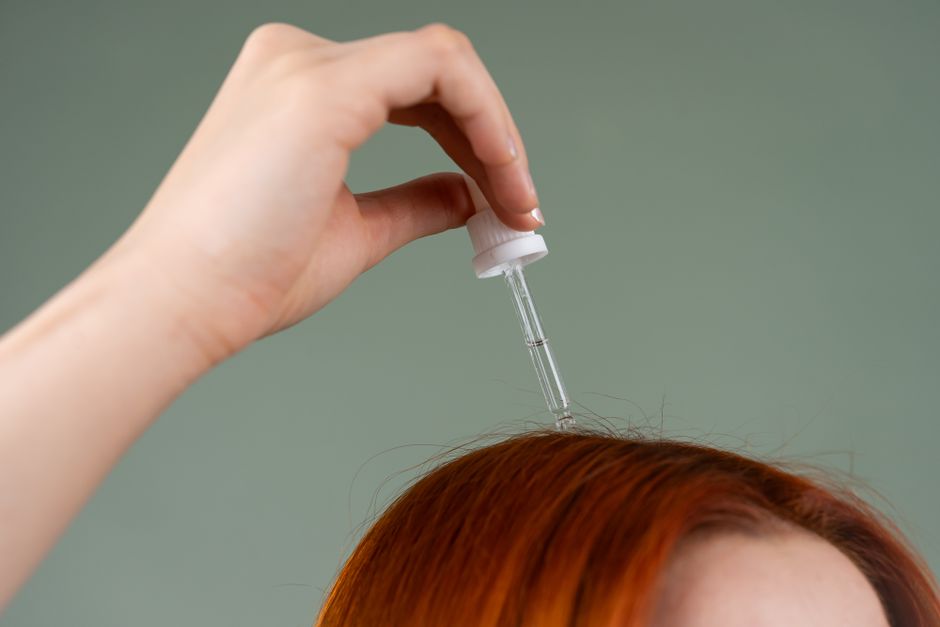
Genetic hair loss is not something you can reverse completely at home, but you can slow it down significantly with the right natural approaches. The key is starting early and being consistent, as once hair follicles shrink too much, they stop producing visible hair entirely. Scalp massage, specific essential oils, and dietary changes have evidence behind them, though no natural method works as well as prescription medications like finasteride or minoxidil.
Does How To Stop Genetic Hair Loss Naturally At Home Actually Work?
The short answer is yes and no. Natural methods can reduce the rate of hair loss and improve hair quality, but they do not stop genetic hair loss entirely. Androgenetic alopecia — the medical name for male and female pattern baldness — is driven by hormones and genetics. No rosemary oil or diet change alters your DNA.
What natural approaches can do is create a healthier scalp environment. Better blood flow, reduced inflammation, and proper nutrition may help hair follicles stay active longer. Research published in Skinmed found that rosemary oil performed similarly to 2% minoxidil after six months in people with androgenetic alopecia. That is real evidence, but it is modest. The rosemary group saw about the same amount of regrowth as the minoxidil group, not more.
If you are hoping for a complete reversal, you will be disappointed. If you want to slow down the process and maybe regain a little ground, natural methods are worth trying. They have no serious side effects and cost very little compared to prescriptions or procedures.
What Causes Genetic Hair Loss in the First Place?
Genetic hair loss happens when hair follicles become sensitive to dihydrotestosterone, or DHT. DHT is a byproduct of testosterone. In people with the genetic predisposition, DHT binds to receptors in the scalp and slowly shrinks hair follicles over time. This process is called follicular miniaturization.
Each time a hair falls out, the new one is thinner and shorter. Eventually the follicle stops producing visible hair entirely. This process can take years or decades. The American Academy of Dermatology states that by age 50, about half of men and a quarter of women will experience noticeable hair loss from this cause.
Women typically see a widening part or thinning across the crown. Men usually lose hair at the temples and crown first. The pattern is predictable because it is genetic. If your father or grandfather had a certain pattern of baldness, you are likely to have something similar.
Which Natural Approaches Have the Best Evidence?
Some natural methods have actual clinical research behind them. Others are popular on social media but have no real proof. Here is what the evidence supports.
| Natural Method | What the Evidence Shows | How to Use It |
|---|---|---|
| Rosemary oil | Similar to 2% minoxidil in a 6-month study | Mix a few drops with carrier oil, massage scalp daily |
| Scalp massage | Increased hair thickness in a small Japanese study | 4 minutes daily with fingertips, moderate pressure |
| Pumpkin seed oil | 40% increase in hair count over 24 weeks in one trial | Take 400 mg capsules daily or apply topically |
| Saw palmetto | Some studies suggest mild DHT blocking effect | 320 mg daily in standardized extract form |
| Green tea | EGCG may reduce DHT in lab studies | Drink 2-3 cups daily or use topical serum |
Notice that none of these match the strength of finasteride, which blocks about 70% of DHT production. Natural DHT blockers are much weaker. They may help a little, but they will not stop aggressive hair loss.
One non-obvious point: consistency matters more than which oil you choose. People who massage their scalp daily for six months see better results than people who use the perfect oil once a week. The mechanical stimulation of blood flow is likely doing some of the work.
Some people report success with onion juice, aloe vera, or coconut milk. Strong evidence is limited for these. They are unlikely to cause harm, but do not expect dramatic results.





What Dietary Changes Actually Help?
Your hair follicles need certain nutrients to function properly. If you are deficient in something, correcting that deficiency can improve hair growth. But if your levels are normal, adding more will not help.
Iron deficiency is one of the most common causes of hair thinning in women. The American Academy of Dermatology recommends checking ferritin levels if you have unexplained hair loss. Levels below 30 ng/mL are considered deficient. Some dermatologists recommend levels above 70 ng/mL for optimal hair growth.
Zinc and vitamin D are also important. A 2013 study in the International Journal of Dermatology found that people with alopecia had significantly lower vitamin D levels than controls. Zinc deficiency can cause hair shedding, though this is less common in people who eat a balanced diet.
Biotin is widely promoted for hair growth, but the evidence is weak. Most people get enough biotin from food. True biotin deficiency is rare. Taking extra biotin will not help unless you are actually deficient.
A few specific foods may support hair health:
- Eggs — provide protein and biotin
- Spinach — rich in iron and vitamin A
- Fatty fish — omega-3s reduce scalp inflammation
- Nuts and seeds — zinc and vitamin E
- Bell peppers — vitamin C helps iron absorption
No single food stops hair loss. A varied diet with adequate protein is what matters. Hair is made of keratin, which is a protein. If you do not eat enough protein, your body will prioritize other tissues over hair growth.
What Worsens Genetic Hair Loss That You Can Control?
Several lifestyle factors can accelerate genetic hair loss. Even if you cannot change your genes, you can avoid making things worse.
Chronic stress raises cortisol levels, which can push hair follicles into a resting phase. This condition is called telogen effluvium. It is temporary, but it can make genetic thinning look much worse. People often notice more hair in their brush or shower drain during stressful periods.
Smoking damages blood vessels, including the tiny capillaries that supply hair follicles. A 2020 study in the Journal of Cosmetic Dermatology found that smokers had significantly higher rates of androgenetic alopecia than nonsmokers. If you smoke, quitting may help more than any oil or supplement.
Tight hairstyles can cause traction alopecia, which is a separate type of hair loss. Ponytails, braids, and buns that pull on the scalp can permanently damage follicles over time. This adds to genetic thinning and makes the overall appearance worse.
Harsh hair treatments like bleach, relaxers, and high-heat styling weaken the hair shaft. The hair breaks off more easily, which makes thinning look more pronounced. This does not stop follicles from producing hair, but it makes the hair you do have look worse.
One clarification that matters: washing your hair does not cause hair loss. The hair that falls out in the shower was already shed. It just stayed in place until water and shampoo released it. People who wash less often often think they lose less hair, but they are just seeing the same amount over fewer washes.
What Are the Limits of Natural Hair Loss Treatments?
This is where honest information matters most. Natural treatments have real limits, and pretending otherwise does people a disservice.
No natural treatment regrows hair on a completely bald scalp. If the follicle has been dormant for years, no oil or massage will revive it. The best window for treatment is when you first notice thinning. Waiting until the area is smooth and shiny means the follicles are mostly gone.
Natural DHT blockers like saw palmetto are much weaker than prescription options. Finasteride reduces serum DHT by about 70%. Saw palmetto reduces it by maybe 10-20% in some studies. That is enough to help some people, but not enough to stop aggressive hair loss.
Results take time. Hair grows slowly, about half an inch per month. You will not see changes for at least three to six months. Many people give up before any benefit appears. Consistency for a year or more is needed to judge whether something works for you.
There is no cure for genetic hair loss. Every treatment, natural or prescription, is a management strategy. You are slowing down a process, not stopping it forever. Even finasteride and minoxidil lose effectiveness over time for many people.
As of 2026, there is no clinical evidence that any supplement, device, or home remedy can reverse long-standing baldness. Be skeptical of products that promise dramatic before-and-after photos in weeks. Those are almost always marketing, not medicine.
Frequently Asked Questions
Can genetic hair loss be stopped naturally without medication?
You can slow it down but not stop it completely. Natural methods like rosemary oil and scalp massage have modest evidence for reducing the rate of loss.
How long does it take for natural hair loss treatments to work?
Expect at least three to six months before seeing any change. Hair grows slowly, and natural treatments work gradually.
Does rosemary oil work as well as minoxidil for hair loss?
One study found rosemary oil performed similarly to 2% minoxidil after six months. Results vary by person, and it is not a guaranteed replacement.
What vitamin deficiency causes genetic hair loss?
Iron and vitamin D deficiencies are most commonly linked to hair thinning. Correcting a deficiency can help, but supplements do not help if levels are normal.
