
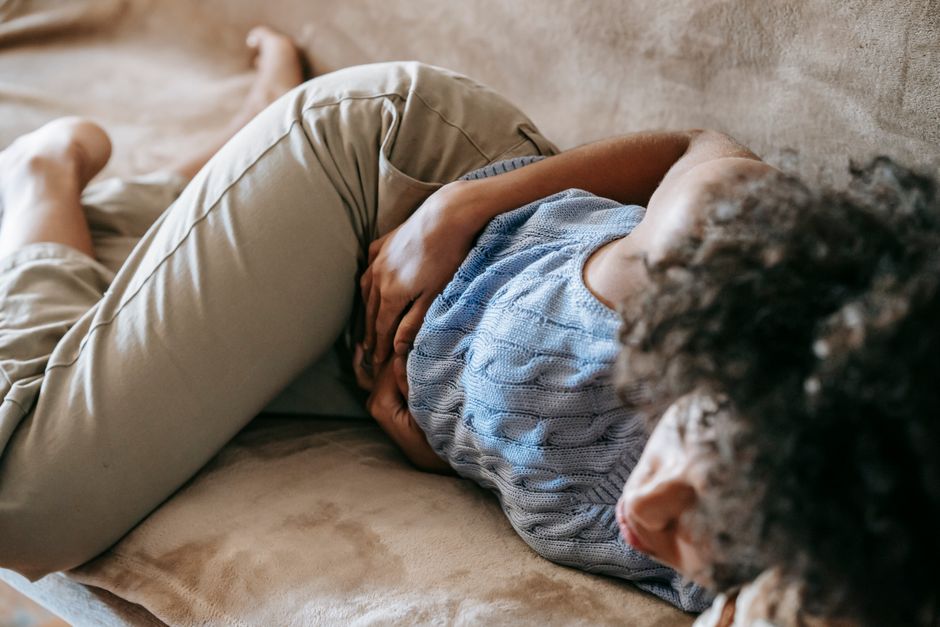
Suprapubic pain is discomfort or pressure felt in the lower abdomen just above the pubic bone. This area houses the bladder, lower ureters, and parts of the reproductive organs, so pain here often signals issues with the urinary tract, digestive system, or pelvic organs. The most common cause is a urinary tract infection (UTI), but other conditions like bladder stones, interstitial cystitis, or pelvic floor dysfunction can also trigger this specific pain.
What Exactly Is Suprapubic Pain And What Causes It?
Suprapubic pain refers to any ache, pressure, or sharp sensation located in the region directly above the pubic symphysis — the joint where your pelvic bones meet at the front. Doctors call this the suprapubic area. It is distinct from pain lower in the pelvis or deeper in the groin.
The causes fall into a few clear categories. Urinary tract infections are the most frequent culprit, accounting for roughly 60-70% of cases seen in primary care, according to data from the National Institutes of Health. The bladder sits directly behind the pubic bone, so when it becomes inflamed from infection, the pain localizes to this spot. Other causes include bladder stones, interstitial cystitis (a chronic bladder pain condition), and in men, prostate issues. In women, conditions like ovarian cysts or endometriosis can also produce suprapubic pain.
Less common but serious causes include diverticulitis, appendicitis (if the appendix sits low), or even a hernia. The key is that the pain source is always an organ or structure within the lower pelvic bowl.
How Do Urinary Tract Infections Cause Suprapubic Pain?
When bacteria enter the bladder through the urethra, they trigger inflammation of the bladder lining. This inflammation sends pain signals to the brain that feel like pressure or burning just above the pubic bone. The CDC reports that about 50-60% of women will have at least one UTI in their lifetime, making it the most common reason for suprapubic pain in adult women.
The pain from a UTI is usually accompanied by other symptoms. You may feel a frequent urge to urinate even when little comes out. Urination itself often burns or stings. Some people notice their urine looks cloudy or has a strong smell. If the infection travels up to the kidneys, you might also develop fever, chills, or pain in the mid-back on one side.
Men get UTIs less frequently, but when they do, the suprapubic pain can be more severe because the male urethra is longer and the infection often involves the prostate. In older adults, confusion or a sudden change in behavior can be the only sign of a UTI, without any pain at all.
What About Interstitial Cystitis and Bladder Pain Syndrome?
Interstitial cystitis, also called bladder pain syndrome, is a chronic condition that mimics a UTI but without an active infection. Research published in the Journal of Urology estimates that 3-8 million women and 1-4 million men in the United States have this condition. The cause is not fully understood, but it involves damage to the protective lining of the bladder.
People with interstitial cystitis feel suprapubic pressure that worsens as the bladder fills and temporarily improves after urinating. The pain can range from mild discomfort to severe enough to interfere with sleep and daily activities. Unlike a UTI, urine tests show no bacteria. Diagnosis often requires ruling out other causes first, which can take months.
Some studies suggest that certain foods and drinks trigger flares — coffee, alcohol, spicy foods, and acidic fruits are common culprits. Stress also appears to worsen symptoms, though the mechanism is not clear. Treatment focuses on managing symptoms rather than curing the condition, and includes dietary changes, physical therapy for the pelvic floor, and sometimes medications that protect the bladder lining.





What Non-Urinary Causes Should You Know About?
Suprapubic pain does not always come from the bladder. In women, the uterus and ovaries sit directly above and behind the bladder. Endometriosis, where uterine-like tissue grows outside the uterus, can cause cyclic suprapubic pain that worsens during menstruation. Ovarian cysts, especially when they rupture or twist, produce sudden sharp pain in the same area.
In men, the prostate gland wraps around the urethra just below the bladder. Prostatitis — inflammation of the prostate — causes deep suprapubic or perineal pain. Chronic prostatitis affects about 10-15% of men at some point, according to the National Institute of Diabetes and Digestive and Kidney Diseases. The pain may be constant or come and go, and is often accompanied by difficulty urinating or pain during ejaculation.
Digestive issues can also show up as suprapubic pain. Constipation, especially chronic constipation, stretches the colon and puts pressure on the bladder from behind. Diverticulitis, which is inflammation of small pouches in the colon, typically causes left-sided lower abdominal pain but can radiate to the suprapubic area. In rare cases, a low-lying appendix can cause suprapubic pain rather than the classic right-lower-quadrant pain.
When Should You Worry About Suprapubic Pain?
Most suprapubic pain is not an emergency, but some situations require immediate medical attention. If you have suprapubic pain along with fever, chills, nausea, or vomiting, you may have a kidney infection or appendicitis. Inability to urinate despite feeling a full bladder is a medical emergency called urinary retention — it can damage the kidneys if not treated quickly.
Sudden, severe suprapubic pain that comes on within minutes could signal a ruptured ovarian cyst, a twisted ovary, or in men, testicular torsion that refers pain upward. Blood in the urine — visible or only detected on a dipstick — always warrants a doctor’s visit. In pregnant women, any suprapubic pain should be evaluated promptly, as it could indicate ectopic pregnancy or preterm labor.
The table below summarizes common causes and their distinguishing features:
| Cause | Key Features | Who Gets It |
|---|---|---|
| Urinary tract infection | Burning with urination, frequent urges, cloudy urine | More common in women |
| Interstitial cystitis | Pain when bladder fills, improves after voiding, no bacteria | Women 30-50 most common |
| Bladder stones | Pain that stops and starts, blood in urine, difficulty urinating | Men over 50, people with recurrent UTIs |
| Prostatitis | Deep pelvic pain, pain during ejaculation, urinary symptoms | Men 30-50 |
| Ovarian cyst | Sudden sharp pain on one side, may coincide with menstrual cycle | Women of reproductive age |
| Constipation | Dull ache, bloating, infrequent bowel movements | Any age |
What Diagnostic Tests Actually Help?
Doctors start with a urine dipstick test. This quick test checks for white blood cells, nitrites, and blood — all signs of infection. If positive, a urine culture confirms which bacteria are present and which antibiotics will work. The Infectious Diseases Society of America recommends urine culture for complicated UTIs or when initial treatment fails.
If no infection is found, the next step is often imaging. A pelvic ultrasound can visualize the bladder, uterus, and ovaries. It detects bladder stones, tumors, and ovarian cysts. CT scans provide more detail and can identify diverticulitis, appendicitis, or kidney stones that cause referred pain. Cystoscopy — inserting a thin camera through the urethra into the bladder — allows direct visualization of the bladder lining and is the gold standard for diagnosing interstitial cystitis.
Blood tests are less commonly needed but can help. A complete blood count checks for elevated white cells suggesting infection. Prostate-specific antigen (PSA) testing in men may be done if prostatitis is suspected, though it is not specific. For chronic pain lasting more than six weeks, urodynamic testing measures how well the bladder stores and releases urine.
What Treatment Options Actually Work?
Treatment depends entirely on the cause. For UTIs, a short course of antibiotics — typically three to seven days — resolves most infections. Drinking plenty of water helps flush bacteria out. Phenazopyridine, available over the counter, numbs the urinary tract and relieves burning but does not treat the infection itself.
For interstitial cystitis, there is no single cure. A multimodal approach works best. Dietary changes avoiding trigger foods help about 50-60% of patients, according to research in the Journal of Urology. Pelvic floor physical therapy reduces muscle tension that worsens bladder pain. Oral medications like pentosan polysulfate sodium (Elmiron) can protect the bladder lining, though they take three to six months to work. Bladder instillations — where a solution is dripped directly into the bladder — provide temporary relief for some people.
For non-urinary causes, treatment targets the underlying condition. Prostatitis often requires antibiotics if bacterial, plus alpha-blockers to relax the prostate muscle. Ovarian cysts may resolve on their own, but large or painful ones might need surgical removal. Constipation-related pain usually improves with fiber supplements, hydration, and regular exercise. Pelvic floor relaxation techniques, including deep breathing and gentle stretching, can help many causes of suprapubic pain by reducing tension in the muscles surrounding the bladder.
Common Misconceptions About Suprapubic Pain
A widely shared belief online is that suprapubic pain always means a UTI. This is not true. While UTIs are the most common cause, many other conditions produce identical pain. Relying on home test strips alone can miss interstitial cystitis, bladder stones, or gynecological issues. A proper diagnosis requires a doctor’s evaluation.
Another myth is that cranberry juice cures suprapubic pain from UTIs. Research shows cranberry products may help prevent UTIs in some people, but they do not treat active infections. The American Urological Association states that cranberry juice has no role in treating established UTIs. Antibiotics remain the only proven treatment for bacterial bladder infections.
Some people believe suprapubic pain in men is always prostate-related. While prostatitis is common, men also get UTIs, bladder stones, and interstitial cystitis. Assuming prostate issues can delay proper diagnosis and treatment. Men with suprapubic pain deserve the same thorough workup as women.
Frequently Asked Questions
Can suprapubic pain go away on its own?
Mild suprapubic pain from constipation or muscle strain can resolve without treatment. Pain from a UTI or other infection typically worsens without antibiotics.
Is suprapubic pain a sign of pregnancy?
Suprapubic pressure can occur in early pregnancy as the uterus expands, but it is not a reliable sign of pregnancy. A pregnancy test is the only way to confirm.
How long does suprapubic pain last with a UTI?
With proper antibiotics, UTI pain usually improves within 24 to 48 hours. Without treatment, the pain can persist and may spread to the kidneys.
What home remedies help suprapubic pain?
Applying a heating pad to the lower abdomen and drinking plenty of water can provide temporary relief. Over-the-counter pain relievers like ibuprofen may also help reduce discomfort.
