
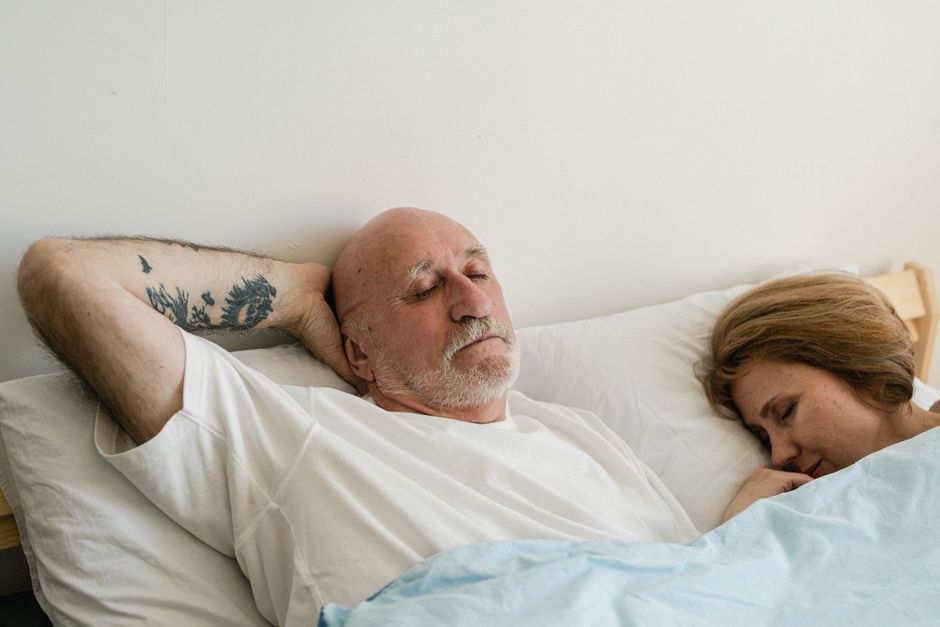
Sleep apnea as a recognized medical diagnosis did not fully form until the 1960s and 1970s, when researchers first described the condition using modern sleep studies. The term “sleep apnea syndrome” was formally introduced in medical literature around 1965. Before that, doctors had no name for the disorder and often dismissed loud snoring and daytime sleepiness as unrelated problems. The development of continuous positive airway pressure (CPAP) therapy in 1981 by Dr. Colin Sullivan marked a turning point that turned a little-known syndrome into a widely treated condition.
What Exactly Is Sleep Apnea and How Was It First Described?
Sleep apnea is a disorder where breathing repeatedly stops and starts during sleep. The most common type, obstructive sleep apnea (OSA), happens when throat muscles relax too much and block the airway. Central sleep apnea involves the brain failing to send proper signals to the breathing muscles.
Descriptions of people who snored heavily and gasped for air at night appear in medical texts from the 19th century. But these were case reports, not a formal diagnosis. In 1956, a paper in the American Journal of Medicine described a condition called “Pickwickian syndrome,” named after a character in Charles Dickens’ novel who was obese and always sleepy. This was the first clinical description linking obesity, loud breathing, and daytime drowsiness. However, it did not fully capture what we now call sleep apnea.
The real breakthrough came in 1965. French researchers Gastaut, Tassinari, and Duron published a study using electroencephalography (EEG) during sleep. They recorded actual breathing pauses in patients. This was the first time anyone had objective data showing that breathing stopped during sleep. The term “sleep apnea syndrome” entered medical language shortly after.
When Did Sleep Apnea Become a Recognized Medical Diagnosis?
Sleep apnea became an official medical diagnosis in the 1970s. The American Sleep Disorders Association (now the American Academy of Sleep Medicine) began classifying sleep disorders in 1979. Their first classification system included sleep apnea as a distinct condition. This was a major step because it gave doctors a standard way to identify and talk about the disorder.
Before 1979, there was no agreed-upon definition. Some doctors thought it was a rare problem. Others thought it was just a symptom of obesity or heart disease. The classification changed that. It set clear criteria: a person must have at least five breathing pauses per hour of sleep, plus symptoms like loud snoring or daytime sleepiness.
The National Institutes of Health (NIH) held a consensus conference on sleep apnea in 1995. This further solidified the diagnosis by establishing severity levels. Mild sleep apnea is 5 to 15 events per hour. Moderate is 15 to 30. Severe is more than 30. These numbers are still used today by sleep clinics across the United States.
How Did the Invention of CPAP Change Sleep Apnea Diagnosis?
Dr. Colin Sullivan’s invention of CPAP in 1981 did not just create a treatment — it transformed how doctors thought about sleep apnea. Before CPAP, there was no effective treatment for moderate to severe cases. Doctors could recommend weight loss, surgery, or dental devices, but none worked reliably. Many patients were left untreated.
Once CPAP proved effective, more doctors began looking for sleep apnea. The existence of a working treatment made diagnosis meaningful. Why screen for a condition you cannot fix? CPAP changed that equation entirely. By the late 1980s, sleep laboratories started opening in major hospitals. The number of diagnosed cases rose sharply.
Research published in Chest journal in 1993 showed that CPAP reduced blood pressure in patients with sleep apnea. This was one of the first studies linking sleep apnea treatment to heart health. It helped convince cardiologists and primary care doctors to take the diagnosis seriously. Today, the American Heart Association recognizes sleep apnea as a risk factor for hypertension, stroke, and heart failure.




What Does Modern Research Say About Sleep Apnea Prevalence?
Sleep apnea is far more common than early doctors believed. A landmark study published in the American Journal of Respiratory and Critical Care Medicine in 1993 estimated that 9 percent of middle-aged women and 24 percent of middle-aged men had at least mild sleep apnea. These numbers shocked the medical community. The condition was not rare — it was underdiagnosed.
More recent data from the CDC and the American Academy of Sleep Medicine suggests that about 30 million adults in the United States have sleep apnea. But only 6 million have been formally diagnosed. That means roughly 80 percent of cases remain undetected. This is partly because many people do not recognize the symptoms. They think chronic fatigue is normal. They think loud snoring is just a bad habit.
Risk factors include excess weight, a large neck circumference, smoking, alcohol use before bed, and family history. Age also plays a role. The condition becomes more common after age 40. Men are about twice as likely as women to have sleep apnea, though the gap narrows after menopause.
| Severity Level | AHI (Events per Hour) | Estimated US Adults Affected |
|---|---|---|
| Mild | 5 to 14 | ~12 million |
| Moderate | 15 to 29 | ~8 million |
| Severe | 30 or more | ~10 million |
These numbers come from the Sleep Heart Health Study, a major NIH-funded project that began in the 1990s. It was one of the first large-scale efforts to measure sleep apnea in the general population using home sleep tests.
What Are the Common Misconceptions About Sleep Apnea Diagnosis?
One widespread myth is that only overweight older men get sleep apnea. That is not true. Children, women, and people of normal weight can all have it. Women often have different symptoms — insomnia, morning headaches, mood changes — rather than loud snoring. This leads to underdiagnosis in women.
Another misconception is that a home sleep test is always as accurate as an in-lab study. Home tests are convenient and cheaper. But they can miss mild cases and central sleep apnea. The American Academy of Sleep Medicine recommends in-lab polysomnography for complex cases or when home tests are inconclusive.
Some people believe that if you do not snore, you cannot have sleep apnea. Snoring is a common symptom, but not everyone with sleep apnea snores. Central sleep apnea often has no snoring at all. The key symptom is breathing pauses followed by gasping or choking. If a bed partner notices these, it is worth getting evaluated regardless of snoring.
- Myth: Sleep apnea is just snoring. Fact: Snoring is a symptom, not the condition itself. Apnea involves actual breathing pauses.
- Myth: You can cure sleep apnea with weight loss alone. Fact: Weight loss helps many people but does not cure everyone. CPAP or other treatments are often still needed.
- Myth: Sleep apnea is harmless. Fact: Untreated sleep apnea increases risk of high blood pressure, heart attack, stroke, and diabetes.
How Is Sleep Apnea Diagnosed Today?
Diagnosis begins with a clinical evaluation. A doctor asks about sleep habits, daytime sleepiness, and bed partner observations. The Epworth Sleepiness Scale is a common questionnaire. It measures how likely you are to fall asleep in eight everyday situations. A score above 10 suggests excessive daytime sleepiness.
The gold standard for diagnosis remains polysomnography, or an in-lab sleep study. This records brain waves, eye movements, heart rate, breathing patterns, and oxygen levels overnight. The test produces the apnea-hypopnea index (AHI), which counts breathing disruptions per hour. An AHI of 5 or more with symptoms confirms the diagnosis.
Home sleep apnea tests are now common for people with a high pre-test probability. These devices track breathing, oxygen levels, and heart rate. They are less comprehensive than in-lab studies but are adequate for most straightforward cases of obstructive sleep apnea. The American Academy of Sleep Medicine supports their use when a patient has no other major medical conditions.
Frequently Asked Questions
Can sleep apnea go away on its own?
Sleep apnea rarely resolves without treatment. Weight loss can reduce severity in some people but does not cure it for everyone.
Is sleep apnea a disability?
The Social Security Administration does not list sleep apnea as a separate disability. But severe cases with complications may qualify under other listings.
Do I need a sleep study to get diagnosed?
Yes. A sleep study — either at home or in a lab — is required to confirm the diagnosis and measure severity.
What is the best treatment for sleep apnea?
CPAP therapy is the most effective treatment for moderate to severe obstructive sleep apnea. Oral appliances and lifestyle changes work for some mild cases.
