
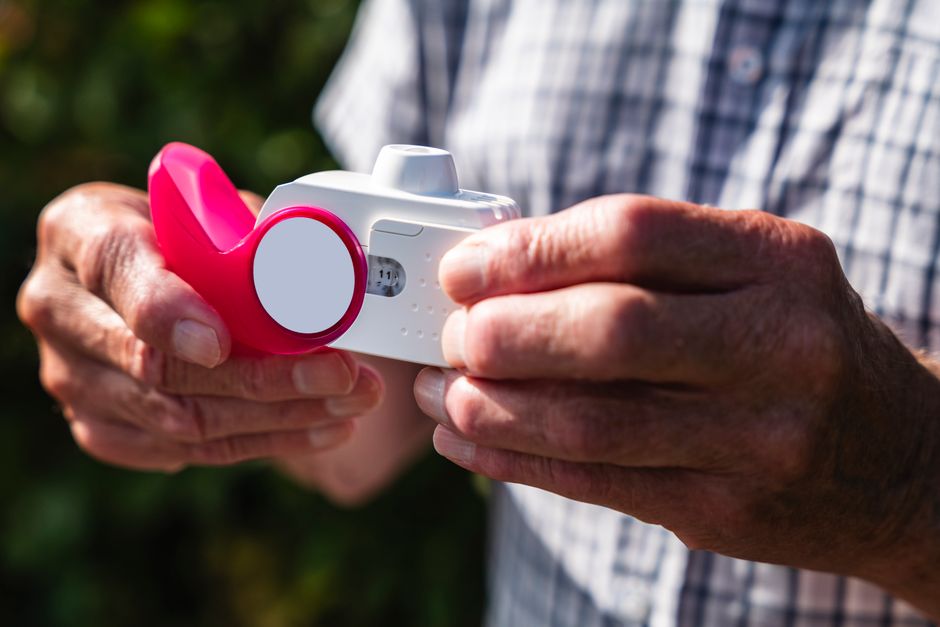
Many people search for a smaller, quieter, or more portable option when they are diagnosed with sleep apnea. The standard CPAP machine can feel bulky and loud, so the idea of a “micro” device that fits in your pocket is appealing. However, the reality of how these devices work—and whether they are safe—is more complicated than the marketing suggests.
The short answer is that true micro CPAP machines are not approved for treating obstructive sleep apnea in the way that standard CPAP devices are. Some small devices exist, but they are either travel versions of full-sized machines or experimental products that have not proven effective. For most people with sleep apnea, a standard CPAP machine remains the only evidence-based treatment that reliably keeps the airway open all night.
What Is a Micro CPAP Machine?
A micro CPAP is a term used for very small continuous positive airway pressure devices. The goal is the same as a standard CPAP: deliver a steady stream of air to keep your throat from collapsing while you sleep. The difference is size. Some are marketed as being small enough to strap to your body or even fit in a pocket.
There is a real distinction between a travel CPAP and a micro CPAP. Travel CPAPs are smaller and lighter than home models, but they still use a hose and a mask and deliver pressure through the same mechanism. They are approved by regulators and are used by many people with sleep apnea when they travel. Micro CPAPs, on the other hand, are often designed without a traditional hose or mask, which changes how they deliver pressure—and raises questions about whether they work at all.
Do Micro Cpap Machines Work For Sleep Apnea?
No clinical evidence currently confirms that micro CPAP devices work for obstructive sleep apnea. The devices that are marketed as micro CPAPs have not been tested in large human trials, and none have received approval from the FDA for treating sleep apnea. Some are sold as “wellness devices” rather than medical devices, which allows them to avoid the regulatory process that standard CPAPs must pass.
This matters because sleep apnea treatment requires a specific amount of air pressure delivered consistently throughout the night. The pressure must be high enough to hold the airway open, and it must be maintained regardless of your sleeping position, mask leaks, or breathing patterns. A tiny device that cannot generate that sustained pressure will not treat the condition. It may feel like air is moving, but that does not mean it is keeping your airway open.
How Does a Standard CPAP Compare?
Standard CPAP machines work by generating a continuous, calibrated stream of pressurized air. The pressure is set based on a sleep study, and the machine monitors airflow to adjust for leaks. The mask creates a seal over your nose or mouth, and the pressure physically splints the airway open so it does not collapse during sleep.
These machines are not small because they do not need to be. The motor, the pressure sensors, and the humidifier all take up space. When a device is shrunk down, something is usually sacrificed—either pressure accuracy, humidification, or the ability to monitor breathing. For a condition like sleep apnea, where the treatment depends on precise pressure delivery, those sacrifices are not minor.
Research consistently shows that CPAP therapy reduces the number of apnea events per hour and improves daytime sleepiness. It also lowers blood pressure in people with sleep apnea and hypertension. These outcomes were tested over decades with standard machines. No micro device has demonstrated any of these benefits in a clinical trial.





What Are the Risks of Using a Micro CPAP?
The biggest risk is untreated sleep apnea. If you use a micro device that does not deliver enough pressure, your airway will continue to collapse during sleep. You will not get the restorative sleep your body needs, and you remain at risk for the long-term consequences of sleep apnea, including high blood pressure, heart disease, and stroke.
There is also a physical safety concern. Some micro devices are designed to fit inside the nostrils without a mask or hose. This design can create a poor seal, and if the device dislodges during sleep, it could become a choking hazard. No clinical guidelines currently exist for the safe use of these devices, which means there is no established standard for how they should be worn or what pressure they should deliver.
Another issue is that these devices often lack the data tracking that standard CPAPs provide. A standard machine records your usage hours, pressure settings, and estimated apnea events. Your doctor can review this data to adjust your treatment. Micro devices typically do not offer this level of monitoring, so you and your doctor cannot tell whether the treatment is actually working.
Is There a Legitimate Portable Option?
Yes. Travel CPAP machines are a legitimate option for people who need a smaller device. These are not micro CPAPs—they are compact versions of standard machines that still use a mask and hose. They are approved by the FDA, they deliver the same type of pressure, and they have been tested for safety and effectiveness.
Travel CPAPs are smaller and lighter than home models, and many come with battery options for camping or flights. They do not have built-in humidifiers in some models, but you can often use a separate humidifier or a heated tube. If you travel frequently, a travel CPAP is a reasonable conversation to have with your doctor.
The key difference is that travel CPAPs are still CPAPs. They are not a new technology. They use the same mechanism, the same masks, and the same pressure settings as your home machine. A micro CPAP, by contrast, is a fundamentally different device with no evidence to support its use.
Why Are Micro CPAPs Still Sold?
They are sold because there is demand. CPAP machines are uncomfortable for many people. The mask can feel claustrophobic, the noise can be annoying, and the machine itself is not easy to travel with. A small, quiet, mask-free device is an appealing idea, and companies know that.
Some micro devices are sold as “nasal dilators” or “sleep aids” rather than CPAP machines. This labeling avoids medical device regulation. The marketing often uses words like “gentle airflow” or “comfortable pressure” without specifying the actual pressure in centimeters of water (cmH2O), which is the standard unit for CPAP therapy. Standard CPAP pressures typically range from 4 to 20 cmH2O. A micro device that cannot generate or sustain that range is not a CPAP in any meaningful sense.
No study has confirmed that these devices reduce apnea events, improve oxygen levels, or provide any of the health benefits associated with real CPAP therapy. The evidence is limited to marketing claims and user testimonials, which are not reliable measures of effectiveness.
What Should You Do If You Want a Smaller Device?
Talk to your doctor or sleep specialist first. Do not buy a micro CPAP online and assume it will treat your sleep apnea. If your main concern is portability, ask about a travel CPAP. If your main concern is comfort, ask about different mask styles—nasal pillows, for example, are much smaller than full-face masks and may feel less intrusive.
If you have not been diagnosed with sleep apnea but suspect you have it, the first step is a sleep study. Home sleep tests are now widely available and do not require staying overnight in a lab. Once you have a diagnosis and a pressure prescription, you can make an informed decision about which device fits your lifestyle.
There is no shortcut for treating sleep apnea. The airway needs sustained pressure, and the only devices proven to deliver that pressure are standard or travel CPAP machines. A micro device may look convenient, but convenience does not matter if the treatment does not work.
Frequently Asked Questions
Can a micro CPAP replace a regular CPAP machine?
No. Micro CPAP devices have not been proven to deliver the sustained pressure needed to treat obstructive sleep apnea. A standard or travel CPAP remains the only evidence-based option.
Are micro CPAP machines FDA approved?
No micro CPAP device has received FDA approval for treating sleep apnea. Some are sold as wellness devices, which do not require the same testing or approval process.
What is the smallest CPAP machine that actually works?
Travel CPAP machines are the smallest devices that work for sleep apnea. They use the same pressure mechanism as full-sized machines but in a more compact body.
Is it dangerous to use a micro CPAP for sleep apnea?
The main danger is that untreated sleep apnea continues if the device does not deliver enough pressure. Some devices also pose a choking risk if they dislodge during sleep.
