
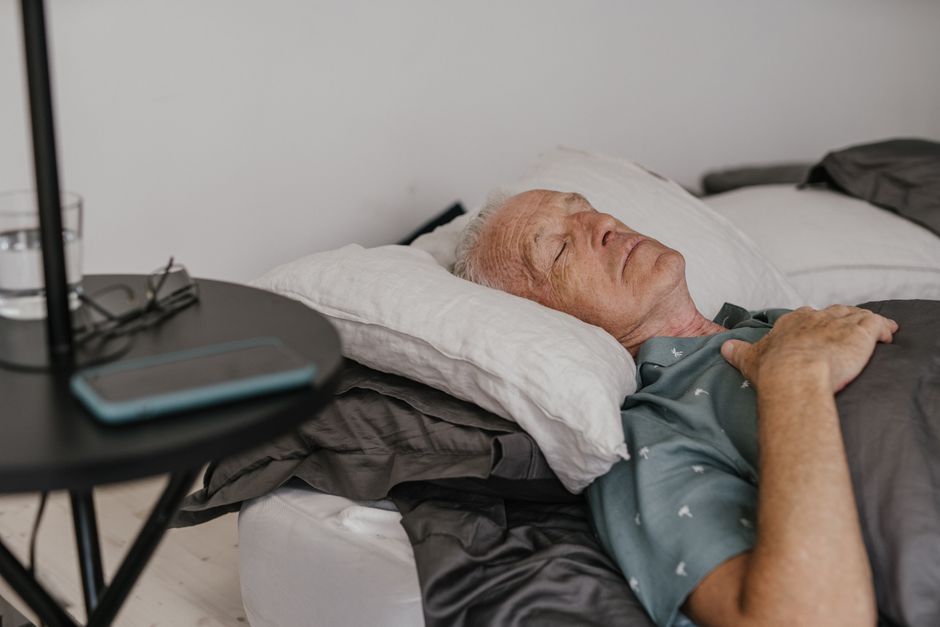
Waking up with chest pain is frightening, and it is a symptom you should never ignore. The pain can be a sharp stab, a dull ache, or a feeling of pressure that jolts you out of sleep. While it is natural to worry about a heart attack, the cause is often related to your sleep position, digestion, or muscle strain. However, because chest pain can signal a serious heart or lung condition, understanding the potential reasons is the first step toward getting the right care.
Why Do I Get Chest Pain When I Sleep?
Chest pain at night is common, but the cause varies widely. In many cases, it is not related to the heart at all. The most frequent culprits include acid reflux, musculoskeletal issues, and sleep-related breathing problems. More serious causes involve the heart, such as angina or arrhythmias, which require immediate medical evaluation.
Your body changes when you lie down. Gravity no longer helps keep stomach acid down, your rib cage expands differently, and your heart works under different pressure conditions. These changes can turn a minor daytime issue into a painful nighttime event.
What Are the Most Common Causes of Nocturnal Chest Pain?
Several conditions can cause chest pain that appears specifically when you are lying down to sleep. Distinguishing between them is critical for determining how urgent your situation is.
Gastroesophageal Reflux Disease (GERD)
This is one of the most common causes of nighttime chest pain. When you lie flat, stomach acid can flow backward into your esophagus. This causes a burning sensation behind the breastbone that can feel like heart pain. It often worsens after a large meal or if you eat close to bedtime.
Unlike cardiac pain, GERD pain is often relieved by sitting up, standing, or taking an antacid. It may be accompanied by a sour taste in your mouth or a feeling that food is stuck in your throat.
Musculoskeletal Pain
Your chest wall contains muscles, ribs, and cartilage. Sleeping in an awkward position, a recent heavy lifting session, or an old injury can cause inflammation in these structures. This pain is usually sharp and reproducible — you can press on the exact spot that hurts and it feels tender. It often worsens with certain movements or deep breaths but does not feel like pressure or squeezing.
Sleep Apnea and Breathing Issues
Obstructive sleep apnea causes your airway to collapse during sleep, briefly stopping your breathing. These pauses can lower oxygen levels and strain the heart. Some people wake up with chest pain, gasping, or a racing heart. If you snore loudly or have been told you stop breathing at night, this may be the link to your chest discomfort.
Can Heart Problems Cause Chest Pain at Night?
Yes. This is the scenario that requires the most urgent attention. Cardiac chest pain can occur at night, especially if you have underlying coronary artery disease.
When you lie down, your body redistributes fluid. This increases the workload on your heart. For people with narrowed heart arteries, this added strain can trigger angina — a feeling of pressure, squeezing, or heaviness in the chest. This pain may spread to your jaw, neck, arms, or back. It can also be accompanied by shortness of breath, nausea, or sweating.
Another heart-related cause is a heart rhythm disturbance, or arrhythmia. Some arrhythmias are harmless, but others can cause a fluttering sensation or pain that wakes you from sleep. If you have been diagnosed with a heart condition, any new or worsening nighttime chest pain should be evaluated by a doctor promptly.



How Do I Tell the Difference Between Heart Pain and Other Pain?
It is not always easy to tell the difference, even for doctors. However, certain patterns can guide you. Cardiac pain is typically described as pressure, tightness, or heaviness that lasts more than a few minutes. It is not usually sharp or stabbing. It may come and go, but it does not change when you press on the chest wall or change position.
Musculoskeletal pain is usually sharp, localized, and reproducible with pressure. Acid reflux pain is burning and often improves when you sit up. If your pain is accompanied by cold sweats, dizziness, or shortness of breath that does not resolve quickly, treat it as a medical emergency.
Do not try to self-diagnose at home. If you are unsure whether your pain is serious, seek medical attention. An electrocardiogram (ECG) and blood tests can quickly determine if your heart is involved.
What Should I Do When I Wake Up With Chest Pain?
Your first action depends on the severity of the symptoms. If the pain is crushing, pressure-like, lasts longer than a few minutes, or comes with shortness of breath, nausea, or sweating, call 911 immediately. Do not drive yourself to the hospital. Do not wait to see if it passes.
If the pain is mild, sharp, and clearly related to a specific movement or position, you can try sitting up slowly and taking a few normal breaths. If it is burning and you have a history of reflux, sitting upright may relieve it. However, if the pain does not resolve within a few minutes, or if it recurs on multiple nights, you need to see a doctor for a full evaluation.
Do not dismiss recurring nighttime chest pain as “just heartburn” without a medical assessment. The symptoms of reflux and heart disease can overlap significantly.
How Can I Prevent Chest Pain During Sleep?
Prevention depends on the underlying cause. For acid reflux, avoid heavy meals, spicy foods, caffeine, and alcohol within three hours of bedtime. Elevating the head of your bed by six to eight inches can help keep stomach acid where it belongs. Sleeping on your left side may also reduce reflux symptoms compared to sleeping on your right side or your back.
For musculoskeletal pain, evaluate your sleeping posture. A supportive mattress and pillow that keep your spine aligned can reduce strain on your chest muscles. If you have a known muscle strain, applying heat before bed may help relax the area.
If you suspect sleep apnea, talk to your doctor about a sleep study. Treatment with a CPAP machine or lifestyle changes can dramatically reduce nighttime breathing pauses and associated chest pain. If you have known heart disease, take your prescribed medications consistently and report any new symptoms to your cardiologist.
When Is Chest Pain at Night a Medical Emergency?
Some warning signs demand immediate emergency care. Call 911 if your chest pain is accompanied by any of the following:
- Shortness of breath or difficulty breathing
- Pain spreading to your jaw, neck, back, or arm
- Cold sweats, nausea, or lightheadedness
- A feeling of impending doom
- Pain that lasts longer than a few minutes and does not subside with rest
These symptoms can indicate a heart attack, a pulmonary embolism (a blood clot in the lung), or aortic dissection — all of which are life-threatening. Do not wait for the pain to go away. Rapid treatment saves heart muscle and lives.
Frequently Asked Questions
Can sleeping on my left side cause chest pain?
Sleeping on your left side can worsen acid reflux symptoms in some people and may increase awareness of your heartbeat, which can feel unusual. It can also put pressure on your chest wall, potentially aggravating musculoskeletal pain.
Is chest pain at night always a heart attack?
No. Most nighttime chest pain is caused by acid reflux, muscle strain, or anxiety rather than a heart attack. However, because cardiac causes are serious, any unexplained chest pain should be evaluated by a medical professional.
Why does my chest hurt when I wake up but goes away during the day?
This pattern often points to a positional cause like acid reflux or a muscle strain that is aggravated by your sleeping posture. It can also relate to anxiety that builds overnight. If the pain is pressure-like and recurrent, a cardiac workup is still warranted.
Can anxiety cause chest pain while sleeping?
Yes. Anxiety and panic attacks can occur during sleep and produce chest tightness, a racing heart, and shortness of breath. This is a diagnosis of exclusion — your doctor will need to rule out heart, lung, and digestive causes first.
