
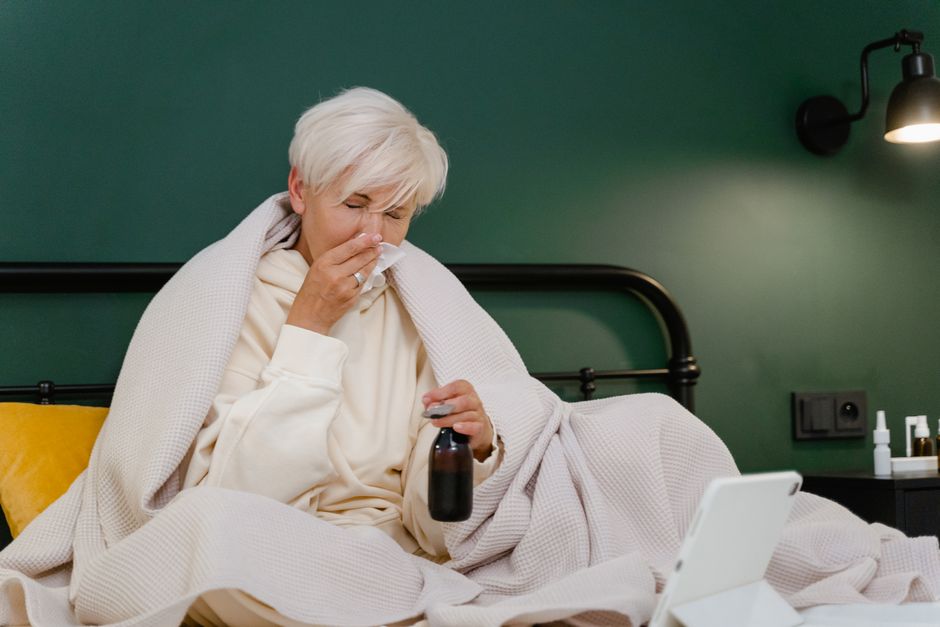
You blow your nose for the tenth time, cough, and then a burp escapes. It feels random. But it is not random at all. When you have a cold, your body changes how it breathes and swallows. That change directly leads to more air in your stomach. More air in your stomach means more burps. The simple reason you burp more with a cold is that you swallow extra air when your nose is stuffed up and when you cough.
What Exactly Happens in Your Body When You Burp?
A burp is trapped gas leaving your stomach through your mouth. The gas comes from two places. You swallow air when you eat or drink. And bacteria in your gut produce gas as they break down food. But during a cold, the swallowing part changes a lot.
Normally you breathe through your nose. Your nose filters, warms, and moistens the air. When your nose is blocked, you breathe through your mouth. Mouth breathing changes the whole rhythm. You take bigger gulps of air. You swallow more often. And some of that air goes down the wrong pipe — into your esophagus and stomach instead of your lungs.
Research published in the journal Gastroenterology has found that most gas in the stomach comes from swallowed air. The medical term is aerophagia. It is not a disease. It is a mechanical thing. Your body is just doing what it has to do to get oxygen when your nose is clogged.
Why Does a Cold Specifically Make You Swallow More Air?
Three things happen during a cold that increase air swallowing. First is mouth breathing. When you breathe through your mouth, the soft palate at the back of your throat does not seal properly. Air leaks into the esophagus. Second is coughing. A cough is a forceful blast of air from your lungs. But right before you cough, you take a deep breath. That deep breath often includes a gulp of air that goes to your stomach instead of your lungs.
Third is post-nasal drip. Mucus from your sinuses drips down the back of your throat. This triggers a swallowing reflex. You swallow more often. Each swallow can trap a small pocket of air. Over a day of a cold, those small pockets add up to a lot of gas.
Some people also drink more fluids when they are sick. Drinking quickly or through a straw can add even more air. Carbonated drinks like soda or sparkling water are especially bad. They release carbon dioxide gas directly into your stomach. Combine that with the extra air from mouth breathing and you have a recipe for frequent burping.
Can the Cold Virus Itself Cause Burping?
This is a question people ask a lot. The short answer is no. The cold virus does not directly cause burping. But it can affect your digestion in ways that make burping more noticeable.
Some cold viruses cause inflammation in the lining of your throat and esophagus. This inflammation can make swallowing feel different. You might swallow more carefully or more often. Both habits can trap air. Some studies suggest that viral infections can also slow down stomach emptying. When food and gas stay in your stomach longer, the pressure builds up. That pressure has to escape somehow — usually as a burp.
But here is the key point. The virus itself is not making gas. The burping is a side effect of how your body responds to the virus. It is the same reason you might feel bloated during a cold. Your digestive system is still working, but it is working differently because of the infection and the medications you are taking.





What About Cold Medications? Do They Make You Burp More?
Yes, some cold medications can increase burping. This is a fact that many people do not know. Decongestants like pseudoephedrine can dry out your mucus membranes. That sounds helpful, but it also dries out your throat. A dry throat makes you swallow more often to moisten it. More swallowing means more air.
Cough suppressants like dextromethorphan can slow down the cough reflex. But they do not stop the need to clear your throat. People often swallow harder and more frequently when their cough is suppressed. That forceful swallowing traps air.
Antihistamines are another common cold medicine. They can cause drowsiness and relaxation of the muscles in your esophagus. A relaxed lower esophageal sphincter — the valve between your esophagus and stomach — allows air and stomach contents to come back up more easily. This is called reflux. And reflux often presents as burping.
If you are taking a combination cold medicine, check the label. Many contain multiple ingredients. Each one can affect your digestive system in a small way. Together, they can add up to noticeable burping.
How Is Burping From a Cold Different From Burping From Other Issues?
It can be hard to tell the difference. But there are a few clues. Burping from a cold usually happens right after you cough or blow your nose. It is often a single burp, not repeated burping over hours. The burp is usually dry — meaning it does not bring up stomach acid or food.
Burping from acid reflux is different. It often comes with heartburn, a sour taste in your mouth, or a feeling of a lump in your throat. Reflux burps are more likely to be wet and repeated. Burping from a digestive issue like lactose intolerance or a food sensitivity tends to happen after eating specific foods. It also comes with bloating, gas, or changes in bowel movements.
Here is a simple comparison table to help you tell the difference:
| Type of Burping | When It Happens | What It Feels Like | Other Symptoms |
|---|---|---|---|
| Cold-related | After coughing, nose blowing, or mouth breathing | Dry, single burp | Stuffy nose, sore throat, cough |
| Acid reflux | After meals, when lying down, or bending over | Wet burp, may bring up liquid | Heartburn, sour taste, chest discomfort |
| Digestive issue | After eating specific foods | Repeated burps with gas | Bloating, stomach pain, diarrhea or constipation |
If your burping continues long after your cold is gone, or if it comes with pain or weight loss, see a doctor. But for most people, the burping stops when the cold clears up.
What Can You Actually Do to Burp Less During a Cold?
You cannot stop burping entirely. It is a normal body function. But you can reduce how often it happens. Here are practical steps based on how the body works:
- Breathe through your nose as much as possible. Use a saline spray or a humidifier to keep your nasal passages moist. A steamy shower can also open your nose. The less you mouth breathe, the less air you swallow.
- Drink slowly without a straw. Sipping water directly from a glass or cup traps less air than drinking through a straw. Avoid carbonated drinks until your cold is gone.
- Take smaller bites when you eat. Chew with your mouth closed. Do not talk while chewing. Each open-mouthed bite lets in extra air.
- Pause after coughing. After a coughing fit, take a moment to swallow normally before taking the next breath. This helps reset the swallowing pattern.
- Check your cold medicine. If you notice more burping after taking a specific medication, talk to your pharmacist. There may be an alternative that works for you.
One thing that does not help is holding in burps. Trying to keep the air in can cause stomach pain and bloating. Let the burp out. It is your body’s way of relieving pressure. Just cover your mouth if you are around other people.
Common Misconceptions About Burping and Colds
There are a few myths that keep circulating. One is that burping means your cold is turning into the flu. That is not true. Burping has nothing to do with the severity of your infection. It is purely about how much air you swallow.
Another myth is that burping means you have a stomach bug. While stomach viruses can cause burping, they usually come with nausea, vomiting, or diarrhea. If you only have cold symptoms and burping, it is almost certainly from the cold itself, not a separate stomach issue.
Some people believe that drinking ginger ale or other fizzy drinks helps settle the stomach during a cold. The carbonation actually makes burping worse. Ginger itself can help nausea, but the bubbles add gas. If you want ginger, try ginger tea or ginger chews instead of soda.
There is also a claim online that burping means your body is releasing toxins. That is not how the body works. Burps are just air and gas. They do not carry toxins. Your liver and kidneys handle detoxification, not your burps.
Frequently Asked Questions
Why do I burp more when I have a cold?
You swallow extra air when your nose is blocked and you breathe through your mouth. Coughing and post-nasal drip also increase swallowing, which traps more air in your stomach.
Can a cold cause gas and bloating?
Yes, the extra air you swallow can cause bloating and gas. Some cold medications can also slow digestion, making bloating worse.
Is burping a sign that my cold is getting worse?
No, burping is not a sign of a worsening infection. It is a mechanical response to more air in your stomach and usually stops when your cold clears.
Should I stop taking cold medicine if it makes me burp?
Do not stop medication without talking to your doctor or pharmacist. They may suggest a different medicine or a way to take it that reduces air swallowing.
