
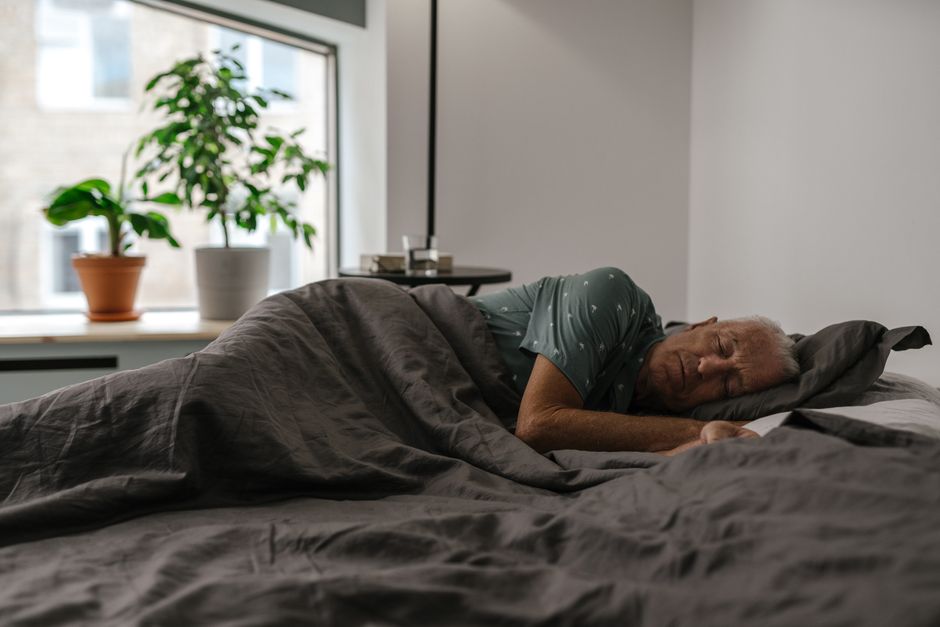
Waking up to find yourself sitting upright in bed can be startling. You might be fully awake, or you might only realize what happened when your partner tells you about it in the morning. This behavior is not random. It is often a sign of a specific sleep transition issue or an underlying sleep disorder that causes your brain to wake your body abruptly.
What Causes a Person to Sit Up Suddenly During Sleep?
The most common reason for sitting up in sleep is a sleep arousal disorder. These are events where your brain partially wakes from deep sleep. The brain sends signals to your body to move, but your conscious mind is not fully online yet. This can result in sitting up, looking around, or even walking.
In many cases, these events are harmless and happen rarely. They occur most often in children and teenagers, but adults can experience them too. When they happen frequently in adults, they are worth discussing with a doctor because they can disrupt sleep quality and may point to an underlying issue.
Another common cause is sleep apnea. With sleep apnea, your breathing stops briefly during sleep. Your brain detects low oxygen levels and forces you to wake up to resume breathing. This wake-up signal can be strong enough to make you sit up or gasp for air. This is a serious condition that requires medical evaluation.
Why Do I Sit Up In My Sleep Causes Explained: Arousal vs. Apnea
Distinguishing between a simple arousal and sleep apnea matters for your health. A simple arousal event is a brain glitch. Sleep apnea is a respiratory emergency that happens many times per night.
If you sit up and feel confused or disoriented for a few minutes, you likely experienced a confusional arousal. If you sit up gasping, choking, or with a racing heart, sleep apnea is a more likely cause. Some people experience both conditions, which makes a sleep study the most reliable way to get an accurate diagnosis.
Here are the key differences to look for:
- Confusional arousal: Slow movements, mumbling, no memory of the event, happens in the first third of the night
- Sleep apnea: Gasping, snoring, choking sounds, happens throughout the night, daytime sleepiness
- Nightmare: Rapid heart rate, clear memory of a scary dream, happens in the later part of the night
Keep a simple log of what happens. Note the time, whether you were gasping, and whether you remember anything the next morning. This information is valuable for your doctor.
What Other Conditions Cause Sitting Up in Sleep?
Several other conditions can cause this behavior. Night terrors are intense episodes that occur during deep sleep. A person may sit up suddenly, scream, and appear terrified. Unlike nightmares, the person usually has no memory of the event and cannot be comforted easily. Night terrors are more common in children but can persist into adulthood.
REM sleep behavior disorder is another possibility. Normally, your body is temporarily paralyzed during dreaming to prevent you from acting out your dreams. In this disorder, that paralysis fails. People may sit up, talk, or even punch and kick while dreaming. This condition is linked to certain neurological conditions, so a proper evaluation is important.
Seizures can also cause someone to sit up during sleep. Some seizures originate in the frontal lobe and produce unusual movements, including sitting up or bending forward. These are often brief and may happen multiple times per night. If you suspect seizures, seek neurological evaluation promptly.
Gastroesophageal reflux disease, or GERD, can trigger waking with a start. Stomach acid moving into the esophagus can cause a choking sensation that makes you sit up. This is often accompanied by a sour taste or heartburn.





Is Sitting Up in Sleep Dangerous?
For most people, sitting up in sleep is not dangerous. The main risk is injury from falling out of bed or hitting your head on a headboard. If you sit up frequently, consider placing pillows around the edges of your bed or lowering your mattress height.
The bigger concern is what the behavior signals. Frequent episodes can fragment your sleep and leave you feeling tired during the day. If your sleep is disrupted every night, your physical and mental health will suffer over time.
Sleep apnea carries more serious risks. Untreated sleep apnea is linked to high blood pressure, heart disease, stroke, and type 2 diabetes. If you snore loudly and feel exhausted during the day, do not dismiss these symptoms. A sleep study can provide clear answers.
You should see a doctor if you experience any of the following:
- Episodes happen more than once per week
- You gasp or choke when you sit up
- You have injured yourself during sleep
- You feel excessively sleepy during the day
- Your partner reports loud snoring or pauses in breathing
How Do Doctors Diagnose the Cause?
A doctor will start by asking about your sleep habits and medical history. They may ask your partner to describe what they observe at night. This information alone can narrow down the possibilities significantly.
If the cause is not clear, your doctor may recommend a polysomnogram, which is an overnight sleep study. During this test, sensors monitor your brain waves, eye movements, heart rate, breathing, and limb movements. The data shows exactly what happens when you sit up and whether your oxygen levels drop.
For suspected seizures, an EEG may be added to the sleep study. This test records brain electrical activity and can detect abnormal patterns. In some cases, a home sleep test is sufficient for diagnosing sleep apnea, but it cannot diagnose arousal disorders or seizures.
No blood test can diagnose these conditions. The diagnosis relies on clinical history and sleep monitoring data.
What Treatment Options Exist?
Treatment depends entirely on the underlying cause. There is no single remedy for sitting up in sleep.
For confusional arousals, the main approach is improving sleep hygiene. Getting consistent sleep hours, avoiding alcohol before bed, and reducing stress can lower the frequency of events. Some doctors prescribe medications, but these are reserved for severe cases that do not respond to lifestyle changes.
For sleep apnea, the standard treatment is continuous positive airway pressure, or CPAP. This device delivers a steady stream of air to keep your airway open during sleep. When used consistently, CPAP eliminates apnea events and the associated waking episodes. Weight loss and positional therapy can also help in some cases.
For REM sleep behavior disorder, treatment focuses on safety and medication. Melatonin is sometimes used to reduce dream enactment. Clonazepam, a medication in the benzodiazepine family, has been used for this condition, but it carries risks of dependence and should be discussed carefully with a doctor.
For GERD-related waking, treatment includes dietary changes and medications that reduce stomach acid. Elevating the head of your bed by a few inches can also help prevent acid from reaching your throat during sleep.
Can Lifestyle Changes Reduce These Episodes?
Some lifestyle changes can reduce the frequency of arousal events, even without a formal diagnosis. The most effective changes target the factors that fragment your sleep.
Alcohol is a major trigger. Alcohol suppresses deep sleep and increases the likelihood of arousal disorders. It also relaxes the muscles in your throat, which worsens sleep apnea. Reducing or eliminating alcohol, especially in the evening, often produces noticeable improvement.
Sleep deprivation is another trigger. When you are overtired, your brain transitions more abruptly between sleep stages. This increases the chance of partial arousals. Aiming for a consistent seven to nine hours of sleep per night can stabilize these transitions.
Stress and anxiety increase nighttime arousal. Practices like meditation or journaling before bed can help, but evidence for their direct effect on arousal disorders is limited. What matters most is finding a routine that helps you fall asleep and stay asleep.
Some clinicians recommend addressing vitamin or mineral deficiencies, but no strong evidence supports this approach for arousal disorders specifically. If you have general concerns about your nutrition, a blood test can identify any clear deficiencies.
Frequently Asked Questions
Why do I keep sitting up in my sleep?
Recurrent sitting up usually points to sleep apnea or an arousal disorder like confusional arousals. Frequent episodes deserve a medical evaluation to identify the exact cause.
Is sitting up in your sleep a seizure?
Some seizures can cause sitting up, but most cases are arousal events or sleep apnea. A sleep study with EEG is the only way to confirm whether seizures are involved.
Can sleep apnea make you sit up in bed?
Yes, sleep apnea can cause you to sit up suddenly when your brain registers a drop in oxygen and forces you awake. Gasping or choking when you sit up strongly suggests sleep apnea.
Should I see a doctor for sitting up in my sleep?
See a doctor if it happens more than once a week, if you gasp, or if you have daytime sleepiness. Occasional episodes without other symptoms are usually not urgent.
