
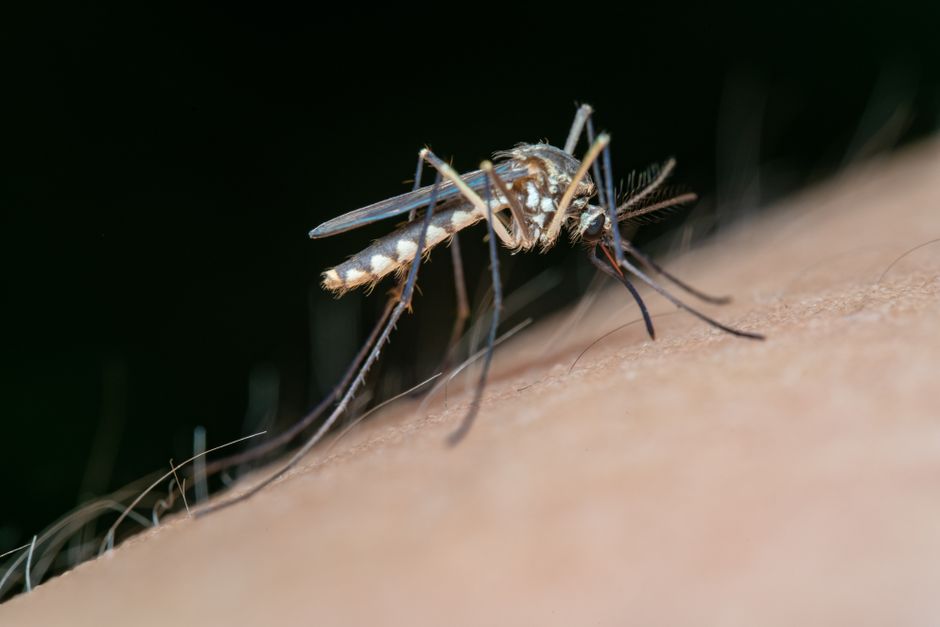
Sand gnats, also called biting midges or no-see-ums, are tiny flying insects that feed on blood. They bite because female sand gnats need a protein-rich blood meal to develop their eggs. Unlike mosquitoes that pierce the skin with a long needle-like mouthpart, sand gnats use scissor-like mouthparts to slice the skin and feed on the pool of blood that forms. This slicing action is what causes the sharp, burning sensation and the itchy welts that follow.
What Exactly Are Sand Gnats?
Sand gnats belong to the family Ceratopogonidae, specifically the genus Culicoides. There are over 1,000 species worldwide. In the United States, they are most common along the Gulf Coast, Atlantic Coast, and in the Great Lakes region. They are about 1 to 3 millimeters long, which is small enough to pass through standard window screens. That is why they are called “no-see-ums” — you often do not see them until after they bite.
Only female sand gnats bite. Males feed on plant nectar. The females need blood to produce eggs. After feeding, they lay eggs in moist soil, sand, or mud near water. Salt marshes, beaches, and swampy areas are their primary breeding grounds. The CDC notes that sand gnats are not known to transmit diseases in the United States, though they can cause severe allergic reactions in some people.
Why Do Sand Gnats Bite Humans?
Sand gnats bite humans because we are a convenient source of blood. They are attracted to carbon dioxide, body heat, and certain skin chemicals. Research published in the Journal of Medical Entomology found that sand gnats are more attracted to people with higher levels of lactic acid and ammonia on their skin. These compounds are naturally present in sweat.
Some people get bitten far more than others. This is not a myth. Studies have shown that individual body chemistry plays a significant role. People who produce more carbon dioxide — often those who are larger or exercising — tend to attract more sand gnats. Dark clothing also attracts them more than light clothing. The reason is that dark colors trap heat and stand out against the sky, making you an easier target.
What Does the Bite Feel Like and How Long Does It Last?
The bite itself feels like a sharp pinch or a burning sting. Within minutes, a red, itchy welt appears. The itching can be intense and may last for several days. Some people develop small blisters or a rash. In sensitive individuals, the reaction can be more severe, causing large, swollen areas that feel hot to the touch.
The severity of the reaction depends on your immune response. The first time you are bitten, you may have little to no reaction. With repeated bites, your body builds up a sensitivity. This is why people who live in coastal areas often have worse reactions than tourists. The itch is caused by your immune system reacting to proteins in the sand gnat’s saliva. For most people, the itching peaks within 24 to 48 hours and fades over three to seven days.




Do Home Remedies Actually Work for Sand Gnat Bites?
There is a lot of advice online about treating sand gnat bites. Some of it helps. Some of it does nothing. Let us look at what the evidence actually supports.
| Remedy | What It Does | Evidence Level |
|---|---|---|
| Ice pack | Numbs the area, reduces swelling | Strong — cold constricts blood vessels and slows the inflammatory response |
| Hydrocortisone cream (1%) | Reduces inflammation and itching | Strong — widely recommended by dermatologists for insect bite reactions |
| Antihistamine (oral) | Blocks histamine, the chemical causing the itch | Strong — studies show oral antihistamines reduce itching from insect bites |
| Baking soda paste | May neutralize skin pH and provide mild relief | Weak — some people report benefit, but no clinical studies confirm it |
| Heat (heated spoon or hair dryer) | Denatures the proteins in the gnat’s saliva | Moderate — small studies suggest heat can reduce itching, but risk of burns is real |
| Vinegar | No proven effect on gnat bites | None — this is widely claimed, but there is no evidence it works |
If you are reacting strongly, an oral antihistamine like cetirizine (Zyrtec) or loratadine (Claritin) taken daily for a few days can help. Topical hydrocortisone cream works well for localized itching. Do not scratch. Scratching breaks the skin and can lead to secondary bacterial infections. Keep the area clean and covered if you cannot stop scratching.
What Actually Prevents Sand Gnat Bites?
Prevention is more effective than treatment. Sand gnats are weakest in the wind. They cannot fly in breezes over 5 miles per hour. So spending time in open, breezy areas reduces bites. They are also most active at dawn and dusk. Staying indoors during these times helps.
Insect repellents work. The CDC recommends DEET, picaridin, or oil of lemon eucalyptus for protection against biting midges. DEET at 20-30% concentration is the most studied and reliable option. Picaridin at 20% is nearly as effective and smells better. Oil of lemon eucalyptus (not the essential oil alone) also works, but it should not be used on children under three years old.
Wear long sleeves and long pants when you are in sand gnat territory. Tuck pants into socks. Choose light-colored clothing. Sand gnats cannot bite through most fabrics, but they can bite through thin, tight-fitting clothes like leggings. Loose-weave clothing offers less protection. Permethrin-treated clothing is also effective. Permethrin binds to fabric fibers and kills insects on contact. It stays effective through multiple washes.
Common Misconceptions About Sand Gnats
There are several myths about sand gnats that get repeated as fact. Here is what the evidence actually says.
- Myth: Sand gnats are attracted to sweet smells. This is not true. Sand gnats are attracted to carbon dioxide and body heat, not perfume or scented lotions. However, some fragrances may mask your natural scent, which could theoretically reduce bites. There is no strong evidence either way.
- Myth: Eating garlic or taking vitamin B prevents bites. This is a persistent myth with no scientific support. Multiple studies have tested vitamin B supplements as insect repellents. None found any effect. Garlic has not been studied specifically for sand gnats, but studies on mosquitoes show no benefit.
- Myth: Sand gnats only bite near water. They breed near water, but they can travel up to several miles from their breeding sites. You can be bitten far from any visible water source.
- Myth: Bug zappers work on sand gnats. Bug zappers kill many insects, but they are not effective against biting midges. Sand gnats are not strongly attracted to UV light. Studies have found that bug zappers kill mostly harmless insects and do not reduce biting insect populations.
When Should You See a Doctor About a Sand Gnat Bite?
Most sand gnat bites are a nuisance, not a medical emergency. But some reactions require medical attention. If the bite area becomes red, warm, swollen, and starts oozing pus, you may have a bacterial infection. This is called cellulitis. It requires antibiotics.
Some people develop a condition called “skeeter syndrome,” which is a severe allergic reaction to insect saliva. Symptoms include large areas of swelling, blistering, fever, and joint pain. This is rare but real. If you have trouble breathing, swelling of the lips or throat, or feel dizzy after a bite, call 911. That is a sign of anaphylaxis, though it is extremely uncommon with sand gnat bites.
If the itching does not respond to over-the-counter treatments and keeps you awake at night, a doctor can prescribe stronger topical steroids or oral antihistamines. There is no reason to suffer through it when effective treatments exist.
Frequently Asked Questions
Can sand gnats transmit diseases in the United States?
The CDC reports that sand gnats in the U.S. are not known to transmit diseases to humans. In other parts of the world, some species spread parasites and viruses.
How long do sand gnat bites last?
Most bites heal within three to seven days. The itching usually peaks in the first 48 hours and then gradually fades.
Do sand gnats bite through clothing?
They can bite through thin, tight-fitting fabrics like leggings. Loose, thick clothing provides better protection.
What is the best repellent for sand gnats?
The CDC recommends DEET, picaridin, or oil of lemon eucalyptus. DEET at 20-30% concentration has the strongest evidence for effectiveness.
