
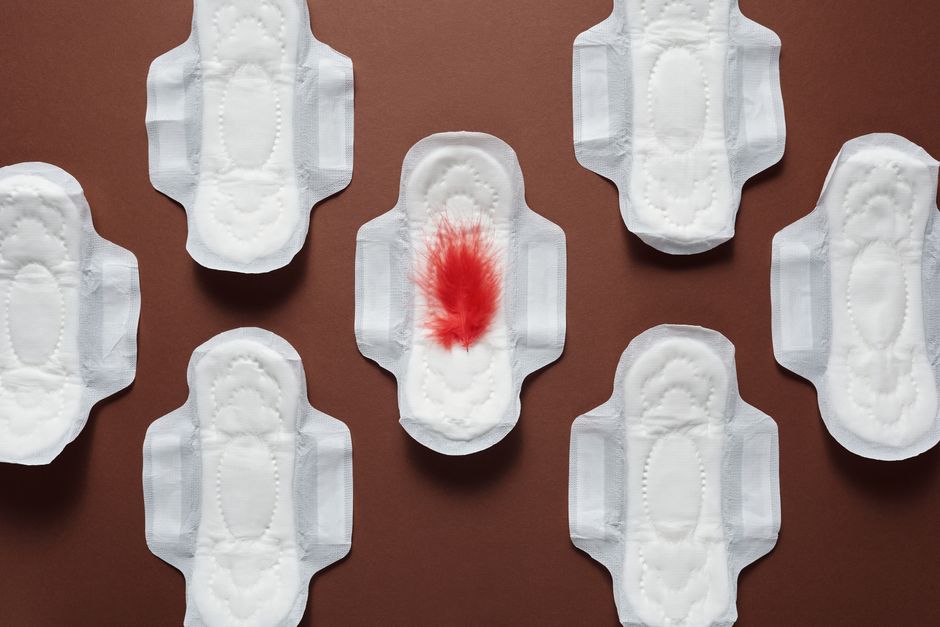
Brown discharge is usually old blood leaving your body slowly. It is not fresh bleeding. The color change happens when blood takes longer to exit the uterus and oxidizes, turning from red to brown. For most women this is normal and happens at the end of a period or with spotting. But when it happens all the time or outside your usual cycle it can be confusing and worrying. The reason is often hormonal, structural, or related to your reproductive health. This article walks through the common causes, what the evidence actually shows, and when brown discharge might signal something that needs medical attention.
What Causes Brown Discharge Every Day or Most Days?
Persistent brown discharge means blood is present in small amounts over time. The most common cause is leftover menstrual blood. Your uterus does not always empty completely during your period. A few drops can remain and come out days later as brown discharge. This is normal and not a concern.
Hormonal imbalances are another frequent cause. When estrogen and progesterone are out of balance, the uterine lining can shed irregularly. This leads to spotting that appears brown. Perimenopause, the years leading up to menopause, is a common time for this. The American College of Obstetricians and Gynecologists notes that irregular bleeding is very common in women over 40. Birth control methods can also cause brown discharge. Pills, patches, implants, and IUDs all change your hormone levels. Breakthrough bleeding is a known side effect, especially in the first three to six months.
Uterine fibroids or polyps can cause brown discharge. These growths are usually noncancerous. They can irritate the uterine lining and cause slow, intermittent bleeding. Research published in the journal Obstetrics & Gynecology found that fibroids are present in up to 70 percent of women by age 50. Many women with fibroids have no symptoms. Others have heavy periods, pelvic pressure, or brown spotting between cycles.
Cervical or vaginal infections can also cause brown discharge. Conditions like bacterial vaginosis, trichomoniasis, or chlamydia can inflame the cervix and cause spotting. The discharge may have a foul odor or be accompanied by itching or pain. If you have any of these symptoms, testing is straightforward and treatment is effective.
Is Brown Discharge a Sign of Pregnancy?
Yes, brown discharge can be an early sign of pregnancy. Implantation bleeding happens when a fertilized egg attaches to the uterine lining. This usually occurs 6 to 12 days after ovulation. The bleeding is light, often pink or brown, and lasts only a day or two. It is not heavy and does not require a pad.
Some women mistake this for a light period. If you have brown discharge around the time your period is due and it is lighter than usual, a pregnancy test is reasonable. The American Pregnancy Association reports that about 20 to 30 percent of pregnant women experience some spotting in early pregnancy.
Brown discharge during early pregnancy can also be a sign of a threatened miscarriage or an ectopic pregnancy. With ectopic pregnancy, the fertilized egg implants outside the uterus, usually in a fallopian tube. This is a medical emergency. Symptoms include sharp pelvic pain, shoulder pain, dizziness, and brown or red spotting. If you have a positive pregnancy test and brown discharge with pain, seek care immediately. Do not wait.
What Does Research Show About Chronic Brown Discharge?
Research is clear that brown discharge itself is rarely dangerous. It is the underlying cause that matters. A 2020 study in the Journal of Women’s Health looked at women with chronic spotting. The most common findings were hormonal irregularities, fibroids, and cervical polyps. Only a small percentage had precancerous or cancerous changes.
Endometrial cancer is a rare cause of brown discharge. It is most common in postmenopausal women. The CDC states that any bleeding after menopause should be evaluated by a doctor. In premenopausal women, endometrial cancer is very uncommon. But it is not impossible. Persistent brown discharge combined with risk factors like obesity, diabetes, or a family history of uterine cancer warrants a thorough evaluation.
Thyroid disorders can also cause irregular bleeding. Both hypothyroidism and hyperthyroidism disrupt the menstrual cycle. Brown spotting can result. A simple blood test checks thyroid function. If your thyroid is off, medication usually restores normal cycles.





When Should You See a Doctor for Brown Discharge?
You should see a doctor if brown discharge lasts longer than a few weeks without explanation. Also seek care if it is accompanied by pain, fever, odor, or heavy bleeding. Postmenopausal women should never ignore brown discharge. It requires evaluation to rule out endometrial cancer.
If you are on birth control and have brown discharge for more than three months, your doctor may recommend a different method. Sometimes the body needs time to adjust. But persistent spotting can be a sign that the hormones are not a good match for you.
A doctor will start with a pelvic exam and a Pap smear. They may order an ultrasound to check for fibroids, polyps, or thickening of the uterine lining. In some cases a biopsy of the endometrium is needed. These tests are routine and well tolerated.
What Can You Do About Brown Discharge at Home?
There is no home remedy that stops brown discharge if it has a medical cause. But you can track it. Keep a log of when it happens, how long it lasts, and any other symptoms. This information helps your doctor narrow down the cause.
If the discharge is from leftover menstrual blood, nothing needs to be done. It will resolve on its own. If it is from birth control, give your body a few months to adjust. If it is from perimenopause, it may come and go for years. Hormone therapy can help but is not for everyone.
You can use panty liners for comfort. Avoid douching or using scented products. These can irritate the vagina and make things worse. The vagina is self-cleaning. It does not need help.
| Common Cause | Typical Timing | What to Do |
|---|---|---|
| Leftover menstrual blood | End of period or days after | Nothing needed |
| Hormonal imbalance | Anytime, often mid-cycle | Track and discuss with doctor |
| Birth control side effect | First 3-6 months on method | Wait or switch method |
| Uterine fibroid or polyp | Anytime, often with heavy periods | Ultrasound recommended |
| Infection | Anytime, often with odor or pain | Testing and antibiotics |
| Pregnancy related | Around missed period | Pregnancy test and follow-up |
| Perimenopause | Irregular cycles in 40s or 50s | Monitor, hormone therapy if needed |
Common Misconceptions About Brown Discharge
One common myth is that brown discharge always means an infection. This is not true. Most cases are hormonal or structural. Another myth is that brown discharge is a sign of cancer in younger women. Cancer is rare in premenopausal women. It is not impossible, but it is far down the list of likely causes.
Some people believe that brown discharge means you are ovulating. Ovulation spotting is real but it is usually pink or red and happens mid-cycle. Brown discharge can happen at any time. It is not a reliable sign of ovulation.
Another misconception is that brown discharge means your period is coming soon. It can, but it can also happen for weeks without a period. Do not assume timing. If it is persistent, check in with a doctor.
Frequently Asked Questions
Can stress cause brown discharge?
Yes. Stress can disrupt your hormones and cause irregular spotting. This is usually temporary and resolves when stress levels go down.
Is brown discharge normal during pregnancy?
Light brown spotting in early pregnancy can be normal. But any bleeding during pregnancy should be reported to your doctor to rule out complications.
How long does brown discharge last after a period?
Up to three days is common. If it lasts longer than a week or happens between every period, it is worth discussing with a doctor.
Does brown discharge mean I have an STI?
Not necessarily. But some STIs like chlamydia or gonorrhea can cause spotting. If you have other symptoms like pain or odor, get tested.
