
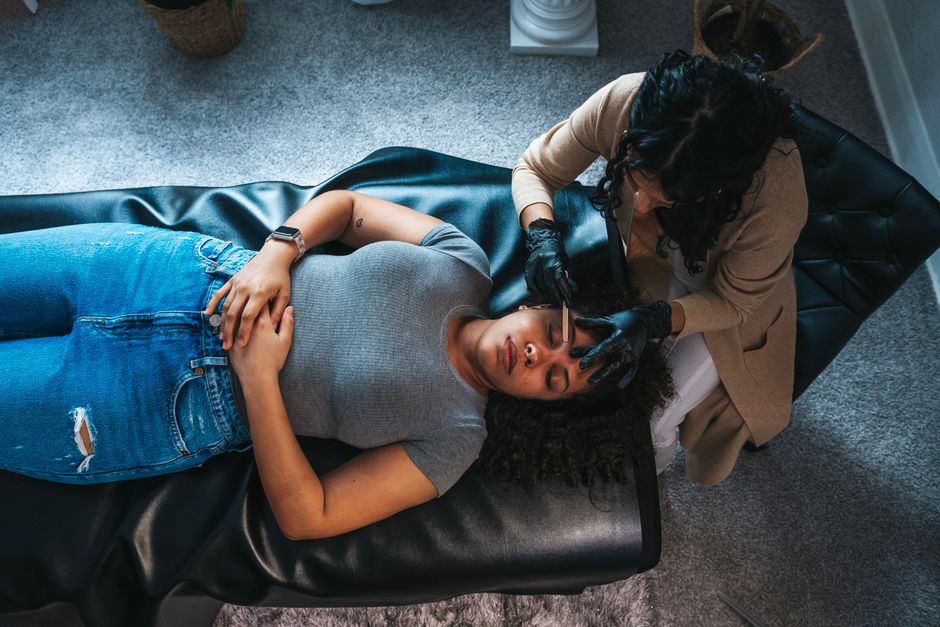
Dermaplaning removes dead skin cells and fine facial hair with a sterile scalpel. It leaves skin feeling smooth and looking brighter. But for some people, the days after treatment bring small bumps, whiteheads, or red irritated patches. This reaction is common, and it usually has specific, explainable causes rooted in how your skin responds to physical exfoliation.
What Actually Happens to Your Skin During Dermaplaning
Dermaplaning is a physical exfoliation method. The blade scrapes across the top layer of skin, the stratum corneum, removing the outermost dead cells along with vellus hair, often called peach fuzz. This mechanical action exposes fresher skin cells underneath.
That fresh layer is more sensitive. It has less built-in protection because the barrier has been temporarily thinned. Blood flow to the area also increases as your skin responds to the mild trauma of the blade. This combination — a thinner barrier and increased circulation — sets the stage for the reactions people notice afterward.
None of this is harmful when done correctly. It is a normal physiological response. But it explains why your skin behaves differently in the days following treatment.
Why Do I Break Out After Dermaplaning: The Root Causes
The breakout you see after dermaplaning is rarely acne in the traditional sense. It is usually one of three things: irritation, clogged pores from product buildup, or a flare of existing bacterial activity.
First, consider irritation. The blade creates micro-abrasions too small to see. Your immune system responds to this as a mild injury. That response can cause redness, swelling, and small red bumps that look like a rash or breakout. This is contact irritation, not acne.
Second, think about what you put on your skin afterward. After dermaplaning, your skin absorbs products more readily. If you apply heavy creams, oils, or makeup immediately after, those products can sink into pores more deeply than usual. Thick occlusive ingredients can trap oil and dead cells, leading to whiteheads within a few days.
Third, there is the bacterial factor. Your skin naturally hosts bacteria, including Cutibacterium acnes. The blade can spread this bacteria across the surface of your face. When the bacteria enters the micro-abrasions or gets pushed into a pore, it can trigger an inflammatory response. This looks like classic acne breakouts.
How to Tell a Dermaplaning Reaction from Regular Acne
A true dermaplaning reaction has a specific pattern. It usually appears within 24 to 72 hours after treatment. The bumps are often small, uniform, and concentrated in the areas where the blade passed most aggressively — commonly the cheeks, chin, and upper lip.
Regular acne develops over days or weeks. It tends to appear in your usual breakout zones and follows your normal hormonal or stress patterns. Dermaplaning reactions appear suddenly and in areas that are normally clear.
Another distinguishing feature is texture. Irritation bumps from dermaplaning feel more like sandpaper than deep cystic acne. They are superficial. They may itch slightly or feel tender to the touch, whereas true acne pimples often have a deeper, more painful quality.
If your bumps are painful, deep, or accompanied by significant swelling or oozing, that is not a normal reaction. Stop using active skincare products and contact a dermatologist.





Why Your Skincare Routine Matters Right After Treatment
What you do in the 48 hours after dermaplaning heavily influences whether you break out. Your skin barrier is temporarily compromised. It absorbs everything more intensely — both beneficial ingredients and irritating ones.
Active ingredients like retinol, glycolic acid, salicylic acid, and vitamin C can cause significant irritation on freshly dermaplaned skin. These ingredients are normally helpful, but on a thinned barrier they can trigger redness, peeling, and small bumps. Many estheticians recommend pausing these products for 24 to 48 hours after treatment.
Instead, focus on gentle cleansing and moisturizing. Use lukewarm water, not hot. Pat your skin dry rather than rubbing. Apply a simple, fragrance-free moisturizer to support barrier repair. Avoid exfoliating scrubs, clay masks, and any product with a strong tingle or burn.
Sunscreen is non-negotiable. Freshly exposed skin is more vulnerable to UV damage. A broad-spectrum sunscreen with SPF 30 or higher should be part of your daily routine regardless, but it matters even more after dermaplaning.
Who Is Most Likely to Break Out After Dermaplaning
Not everyone reacts the same way. Certain skin types and conditions increase the likelihood of a post-treatment breakout.
People with sensitive skin or conditions like rosacea are more prone to irritation bumps. Their skin barrier is already reactive. The physical exfoliation can trigger a flare that looks like a breakout but is actually inflammation.
People with oily or acne-prone skin face a different risk. Dermaplaning does not cause new acne, but it can aggravate existing congestion. If you have active breakouts, the blade can spread bacteria and worsen inflammation. Many professionals recommend avoiding dermaplaning over areas with active acne lesions.
People who use prescription acne medications, especially isotretinoin or topical retinoids, have thinner, more fragile skin. Dermaplaning on this skin type can cause significant irritation. If you use these medications, discuss dermaplaning with your dermatologist before booking an appointment.
How Long Does a Dermaplaning Breakout Last
Most dermaplaning reactions resolve on their own within a few days. Mild irritation bumps often fade within 24 to 72 hours. Whiteheads from product buildup may take a few days longer, but they typically clear within a week.
If your breakout lasts longer than a week or worsens, it may not be a simple dermaplaning reaction. It could be a bacterial infection or a reaction to a product you introduced around the same time. At that point, a dermatologist can help identify the cause and recommend appropriate treatment.
Do not pick, squeeze, or scrub the bumps. This will prolong the reaction and increase the risk of scarring. Let the skin heal on its own timeline.
Can You Prevent Breakouts After Dermaplaning
Prevention starts before the treatment. If you are prone to breakouts, ensure your skin is clean and free of active acne before dermaplaning. The blade should never pass over broken skin, active pimples, or cold sores.
After treatment, keep your routine minimal. Wash with a gentle cleanser. Moisturize with a simple, non-comedogenic product. Avoid heavy makeup for at least 24 hours if possible. When you do wear makeup, choose mineral or powder formulas over liquid foundations that can settle into freshly exfoliated pores.
Do not reintroduce active ingredients too quickly. Wait until your skin feels normal — usually 48 hours — before using retinol, acids, or other potent products. Start with a lower frequency than your normal routine to test tolerance.
Keep your hands off your face. Your hands carry oil and bacteria that can easily trigger breakouts on freshly exfoliated skin.
When to Skip Dermaplaning Entirely
Dermaplaning is not suitable for everyone at every time. If you have active acne, eczema, psoriasis, or a sunburn, postpone the treatment until your skin heals. The procedure can worsen these conditions significantly.
If you have a history of cold sores, discuss this with your provider. The physical trauma of dermaplaning can trigger an outbreak in some people. Your provider may recommend antiviral medication before treatment if you are high risk.
If you are pregnant, dermaplaning is generally considered safe because no chemicals are involved. However, your skin may be more sensitive and reactive during pregnancy. Some people experience more irritation than usual.
If you have taken isotretinoin, commonly known as Accutane, within the last six months, your skin barrier is still recovering. Dermaplaning during this period can cause excessive irritation and delayed healing. Most dermatologists recommend waiting at least six months after finishing isotretinoin before any aggressive physical exfoliation.
Frequently Asked Questions
Is it normal to break out after dermaplaning?
Yes, mild breakouts or bumps within a few days of dermaplaning are common. They are usually caused by irritation, product buildup, or bacterial spread rather than true acne.
How long does a dermaplaning breakout last?
Most reactions clear within 24 to 72 hours. Whiteheads from product buildup may take up to a week to resolve.
Can I use retinol after dermaplaning?
Wait at least 48 hours before using retinol or other active ingredients. Your skin barrier is temporarily thinned, and these products can cause significant irritation if applied too soon.
Should I wash my face after dermaplaning?
Yes, wash gently with a mild cleanser and lukewarm water. Avoid scrubbing, hot water, and harsh exfoliants for at least 48 hours.
