
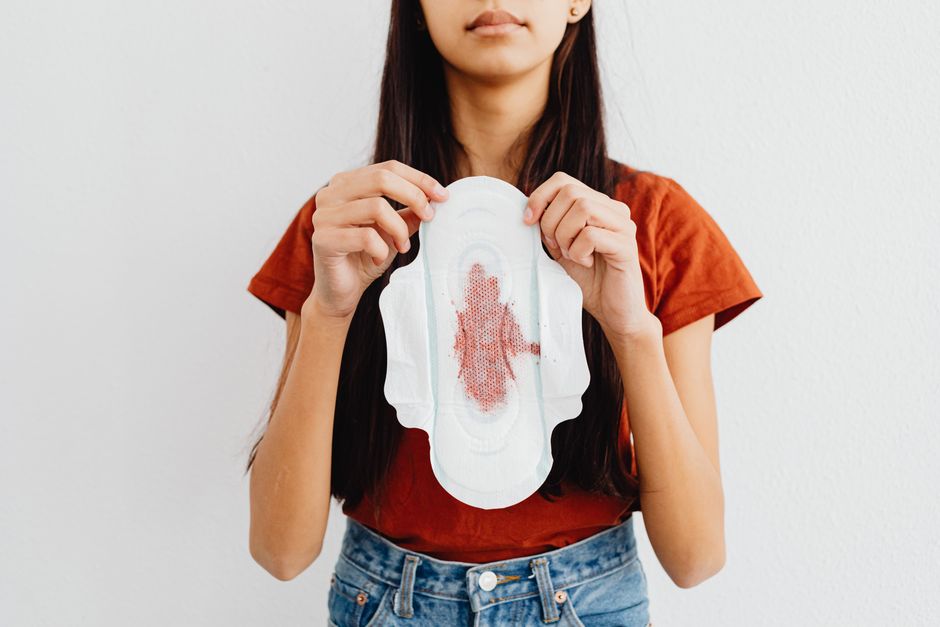
A period lasting seven days falls within the normal range for many women. The average menstrual flow lasts four to five days, but anywhere from two to seven days is considered typical by medical standards. What matters more than the number of days is whether your pattern is consistent for you and whether you have other symptoms that signal something deeper.
What Determines How Long Your Period Lasts?
The length of your period depends on how quickly your uterine lining builds up and then sheds. Each cycle your body thickens the endometrium to prepare for a possible pregnancy. If no pregnancy occurs, hormone levels drop and the lining breaks down and leaves the body.
Some women naturally build a thicker lining. This takes longer to shed completely. Genetics play a role here. If your mother and sisters have seven-day periods, yours likely will too.
Your age matters as well. Teenagers and women in their 40s often have longer periods because their hormone levels are less stable. The American College of Obstetricians and Gynecologists notes that cycles can be irregular for the first few years after menstruation starts and again in perimenopause.
Contraception also changes period length. Hormonal birth control usually shortens periods. Copper IUDs often make them longer and heavier. If you recently changed birth control methods, your period length may shift for several months.
When Is a Seven-Day Period Actually Normal?
A seven-day period is normal when it follows your usual pattern and does not cause significant problems. If you have always bled for six or seven days and your flow is manageable, there is likely nothing wrong.
Medical guidelines from the American College of Obstetricians and Gynecologists define normal menstrual bleeding as lasting up to seven days with a total blood loss of less than 80 milliliters. That is about three tablespoons. Most women cannot measure this at home, but you can judge by how often you change pads or tampons.
Normal bleeding requires changing protection every four to six hours. If you need to change every one to two hours or you pass clots larger than a quarter, your bleeding is heavy even if the total days are within normal range.
A consistent seven-day period is different from a sudden change. If your periods were five days for years and recently stretched to seven, that shift deserves attention even if seven days is technically normal.
Why Is My Period 7 Days Long And Is It Normal If I Have These Symptoms?
Your period length alone does not tell the full story. You need to look at the whole picture. Bleeding for seven days is normal if your flow is light to moderate and you feel fine otherwise.
It becomes concerning when you also have heavy bleeding, severe cramps, fatigue, or bleeding between periods. Heavy bleeding that soaks through a pad or tampon every hour for several hours is not normal regardless of how many days it lasts. This condition is called menorrhagia and affects about 10 million American women each year according to the CDC.
Other red flags include sharp pelvic pain that does not respond to over-the-counter medication, bleeding after sex, or periods that come closer than 21 days apart. Any of these combined with a seven-day period means you should see a healthcare provider.
Fatigue is another clue. If you feel worn out during or after your period, you may be losing more blood than your body can replace. Low iron stores from heavy monthly bleeding are common and easily missed.





What Medical Conditions Can Cause Longer Periods?
Several conditions can stretch a normal four-day period into seven or more days. Uterine fibroids are the most common cause. These noncancerous growths in the uterine wall can increase the surface area of the lining and disrupt normal shedding. Research published in the journal Fertility and Sterility found that fibroids are present in up to 80 percent of women by age 50.
Endometriosis can also prolong bleeding. This condition causes uterine-like tissue to grow outside the uterus. It often causes heavy, painful periods that last longer than average. The exact number of women affected is hard to pin down, but estimates range from 10 to 15 percent of reproductive-age women.
Polycystic ovary syndrome or PCOS leads to hormonal imbalances that cause irregular cycles. Some women with PCOS have very light periods. Others have heavy, prolonged bleeding after long stretches without a period. The National Institutes of Health reports that PCOS affects 6 to 12 percent of US women.
Thyroid disorders affect how your body regulates hormones. An underactive thyroid can cause heavy, prolonged periods. A simple blood test can check your thyroid function.
Bleeding disorders like von Willebrand disease affect how your blood clots. Women with these conditions often have heavy periods from their first cycle. One study in the Journal of Women’s Health found that up to 20 percent of women with heavy menstrual bleeding have an underlying bleeding disorder.
How Is a Long Period Diagnosed and Treated?
Diagnosis starts with a thorough history. Your doctor will ask about your cycle length, flow pattern, pain level, and any changes over time. They will also ask about your family history because conditions like fibroids and bleeding disorders run in families.
Common tests include a complete blood count to check for anemia, thyroid function tests, and hormone level measurements. An ultrasound can show fibroids, polyps, or thickening of the uterine lining. In some cases a biopsy is needed to rule out precancerous changes.
Treatment depends on the cause. If you have fibroids, options range from watchful waiting to medication to surgical removal. Hormonal treatments like birth control pills or progestin-releasing IUDs can shorten and lighten periods for many women.
For bleeding disorders, medications that improve clotting can help. Tranexamic acid is a non-hormonal option that reduces bleeding by helping blood clots form. It is taken only during your period.
| Condition | Key Features | Common Treatments |
|---|---|---|
| Uterine fibroids | Heavy bleeding, pelvic pressure | Hormonal therapy, myomectomy, UAE |
| Endometriosis | Painful periods, pain with sex | Hormonal suppression, surgery |
| PCOS | Irregular cycles, excess hair | Hormonal birth control, metformin |
| Thyroid disorder | Fatigue, weight changes | Thyroid medication |
| Bleeding disorder | Easy bruising, heavy bleeding since first period | Desmopressin, tranexamic acid |
Common Misconceptions About Period Length
Many women believe that a seven-day period means something is wrong. This is not true for most women. The range of normal is wider than what most people think.
Another myth is that heavy bleeding cleans the uterus better. The uterus does not need cleansing. Heavy bleeding is not a sign of detoxification. It is a sign that something may be off with your hormones or uterine lining.
Some women think that skipping periods with birth control is dangerous. Extended cycle or continuous birth control that reduces periods to four times a year is safe and commonly prescribed. The lining does not build up dangerously. It simply stays thin.
A third misconception is that painful periods are normal. Mild cramping is common. Pain that stops you from going to work or school is not. If you have both a long period and severe pain, you should not accept that as normal.
What to Track Before Seeing a Doctor
If you are unsure whether your seven-day period is normal, track these details for two to three cycles before your appointment:
- Day your period starts and ends
- Heaviness of flow each day (light, moderate, heavy)
- Number of pads or tampons used per day
- Size and frequency of blood clots
- Pain level on a scale of 1 to 10
- Other symptoms like fatigue, dizziness, or shortness of breath
This information helps your doctor determine whether your bleeding is within normal limits or needs further investigation. Apps and period trackers make this easy, but a written log works just as well.
Remember that one abnormal cycle does not mean something is wrong. Stress, illness, travel, and weight changes can all temporarily alter your cycle. It is when the pattern persists for three or more cycles that you should take it seriously.
Frequently Asked Questions
Can stress cause a seven-day period?
Yes, stress can affect hormone levels and make your period longer or shorter than usual. This is usually temporary and resolves once the stress passes.
Is it normal to have a seven-day period every month?
Yes, if your periods have always been seven days and your flow is not heavy, this is within normal range. Consistency matters more than the exact number of days.
When should I see a doctor about a long period?
See a doctor if you soak through a pad or tampon every hour for several hours, pass clots larger than a quarter, feel dizzy or tired, or have severe pain.
Can losing weight make my period shorter?
Weight loss can change hormone levels and may affect period length, but results vary by person. Significant weight loss may cause irregular cycles rather than shorter ones.
