
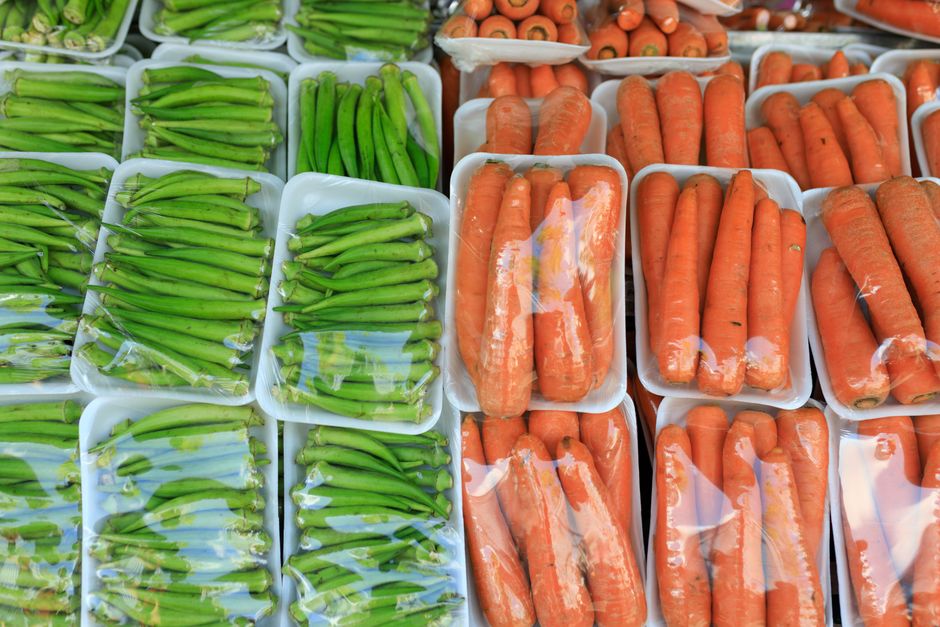
You pick okra from your garden or buy it fresh at the market. You slice it, cook it, and take a bite. It is tough, stringy, and chewy. This is frustrating because okra can be tender and delicious. The root cause is almost always the same: okra gets tough when it is overcooked, undercooked, or picked too late. The fix depends on which mistake you made. Here is what the research and cooking science actually say about getting okra right every time.
Why Is My Okra Tough And How Can I Fix It? Root Causes Explained
The main reason okra turns tough is the pod’s cell structure. Okra contains pectin, a natural gelling agent. When you heat it too long, the pectin breaks down but the fiber strands remain. This leaves you with a stringy, chewy texture. The USDA reports that okra pods are about 90% water. When that water evaporates during cooking, the fibers tighten and toughen.
Age of the pod matters more than most people realize. Okra grows fast. A pod that was perfect yesterday can be woody today. Pods longer than 3 inches often have tough fiber rings at the base. The Clemson University Extension says okra should be harvested when pods are 2 to 3 inches long. Any longer and the outer layer becomes fibrous.
Another overlooked cause is acidity. Okra cooked with acidic ingredients like tomatoes or vinegar can become slimy or tough depending on cooking time. The acid reacts with the pectin. If you cook it too short, the pods stay firm. If you cook it too long, they break down unevenly. Timing is everything.
Does Harvesting Time Really Affect Okra Texture?
Yes, and this is not a minor detail. Research from the University of Georgia Extension shows that okra pods grow to full size in 4 to 6 days after flowering. That is fast. If you wait even two extra days, the pod starts developing tough fibers. You cannot fix this after harvesting. Once the fiber is there, cooking will not soften it.
Look for pods that snap easily. A fresh okra pod should bend and snap cleanly, not bend and stay bent. If it bends without breaking, it is already past its prime. The color should be bright green with no brown spots. Dull or pale pods are older and will be tougher.
Store okra dry in the refrigerator. Moisture accelerates spoilage and makes the pods limp. The USDA recommends using okra within 3 to 4 days of harvest. After that, the texture declines even if the pod looks fine. For best results, cook it the same day you pick or buy it.
What Cooking Methods Make Okra Tender Instead of Tough?
The method you choose changes the outcome completely. High heat for short time works best for keeping okra tender. Frying, sautéing, or roasting at 400°F or higher for 10 to 15 minutes preserves the structure while softening the pectin. The Journal of Food Science published a study showing that okra fried at 375°F retained more moisture and had better texture than boiled okra.
Boiling is the riskiest method. Okra boiled for more than 5 minutes starts releasing its mucilage and the fibers tighten. If you must boil it, drop the pods into already boiling water and cook for no more than 4 minutes. Then immediately transfer them to ice water. This stops the cooking and preserves some crunch.
Steaming is a middle ground. Steam whole pods for 5 to 7 minutes. Do not cut them before steaming or the slime releases into the water. Whole pods steam more evenly and stay firmer. After steaming, you can slice and sauté them quickly in oil or butter for added flavor without toughness.
Slow cooking works only if you cook okra for a very long time. Gumbo is the classic example. Okra cooked for 45 minutes or longer in a stew breaks down completely. The tough fibers soften and the pods become almost creamy. There is no middle ground here. Short stewing makes tough okra. Long stewing makes tender okra. If you are making a gumbo, commit to at least 45 minutes of simmering.





How Does Okra Variety Affect Toughness?
Not all okra is the same. Some varieties are bred to stay tender longer. Clemson Spineless is the most common home garden variety and stays tender up to 4 inches. Other varieties like Emerald and Annie Oakley II have similar traits. The name “spineless” refers to the lack of spines on the pod, not the texture, but these varieties generally have fewer tough fibers.
Red okra varieties like Red Burgundy look beautiful but can be slightly tougher than green varieties. The red pigment comes from anthocyanins, which have antioxidant properties. But these compounds do not affect texture. The toughness comes from the same fiber structure. Red okra should still be harvested at 2 to 3 inches.
Heirloom varieties like Hill Country Heirloom and Cowhorn often grow longer pods. These are popular for their flavor but require even earlier harvesting. If you grow heirloom okra, check pods daily. A pod that is 4 inches on an heirloom variety may already be woody, while the same length on a Clemson Spineless pod could still be tender.
Here is a quick comparison of common okra varieties and their harvest windows:
| Variety | Ideal Harvest Length | Tenderness at 4 Inches |
|---|---|---|
| Clemson Spineless | 2 to 3 inches | Good |
| Annie Oakley II | 2 to 3 inches | Good |
| Red Burgundy | 2 to 3 inches | Fair |
| Hill Country Heirloom | 2 to 4 inches | Fair at 3 inches, poor at 4 |
| Cowhorn | 2 to 4 inches | Fair at 3 inches, poor at 4 |
What Common Mistakes Make Okra Tough and How to Avoid Them
Cutting okra before cooking is a frequent error. When you slice okra, you expose the interior to heat and air. This releases the mucilage faster and the edges dry out. If you are frying or roasting, leave pods whole or halved lengthwise. Only slice okra for stews or gumbo where the mucilage is desired as a thickener.
Overcrowding the pan is another issue. Okra needs space to cook evenly. If you pile it in a skillet, the pods steam instead of sear. Steaming makes them release moisture and turn mushy then tough. Use a single layer in the pan. If you have a lot of okra, cook it in batches.
Adding salt too early draws out moisture. Salt pulls water from the okra through osmosis. The pods become limp and the outer layer toughens. Salt okra at the end of cooking, not the beginning. This one change alone can improve texture noticeably.
Some people believe soaking okra in vinegar or lemon juice before cooking makes it less slimy. This is partially true. The acid does reduce slime, but it also firms the pod. If you soak okra in acid for more than 10 minutes, the outer layer can become leathery. A quick rinse is fine. A long soak is risky.
Can You Salvage Okra That Is Already Tough?
If you already cooked okra and it came out tough, you have limited options. You cannot reverse the fiber formation. But you can repurpose it. Tough okra works well in soups or stews where longer cooking breaks down the fibers. Add it to a pot of beans, chili, or gumbo and simmer for at least 30 minutes. The texture will soften.
Another option is to puree tough okra. Blend it into a sauce or soup base. The fibers break down in a blender. You lose the whole pod texture, but you keep the nutrients and flavor. Okra is a good source of vitamin C, vitamin K, and fiber. The USDA reports that one cup of cooked okra provides about 2 grams of protein and 3 grams of fiber.
If the okra is raw but tough from being old, do not bother cooking it whole. Slice it thinly crosswise and use it in a stir-fry with other vegetables. Thin slices cook faster and the toughness is less noticeable. Pair it with a sauce to mask the texture. Soy sauce, garlic, and ginger work well.
The best salvage is prevention. Check your okra before cooking. If the tips are brown or the pod feels woody, discard it. Do not try to cook around toughness. It will not work. Fresh okra is cheap. Tough okra is not worth the effort.
Frequently Asked Questions
Can I eat okra that is tough?
Yes, it is safe to eat but the texture will be unpleasant. Tough okra is not spoiled, just fibrous.
Does soaking okra in salt water make it less tough?
No, salt water actually draws out moisture and can make the pods tougher. Salt okra at the end of cooking instead.
How do I know if okra is too old to cook?
If the pod bends without snapping or feels woody when squeezed, it is too old. Discard it and use fresher pods.
Can frozen okra be less tough than fresh?
Frozen okra can be more tender because freezing breaks cell walls. But thawed okra releases more slime when cooked.
