
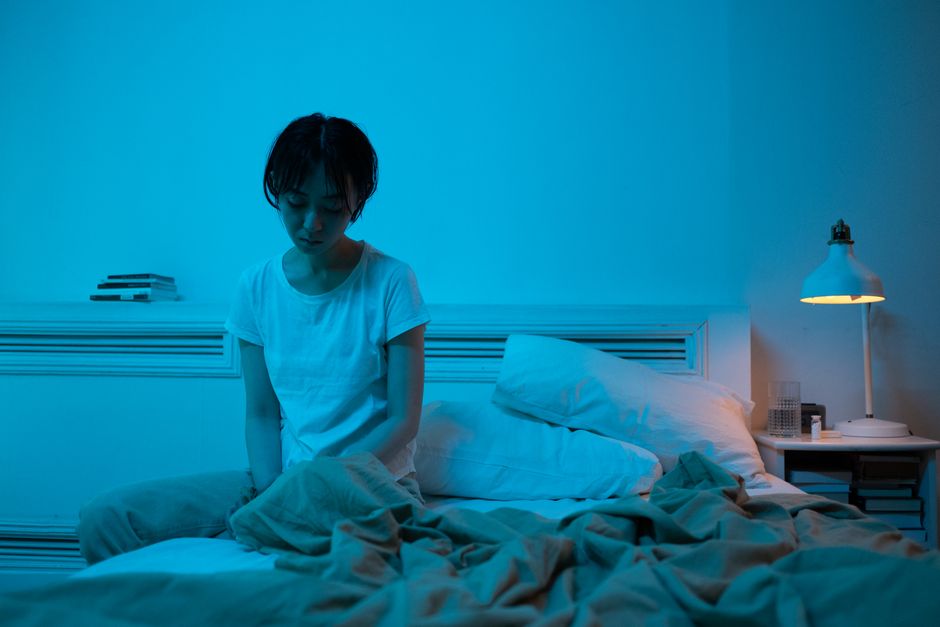
Waking up drenched in sweat or feeling like your internal thermostat is broken is frustrating and disrupts sleep. For women, this nighttime heat is most often linked to hormonal shifts that affect how your body controls temperature. The root causes range from perimenopause and menopause to thyroid conditions, stress, and even certain medications.
What Causes Night Sweats and Hot Flashes in Women?
Your body has a built-in thermostat in the brain called the hypothalamus. When estrogen levels drop, as they do during perimenopause and menopause, the hypothalamus gets confused. It sometimes thinks your body is too hot even when it is not.
This triggers a sudden cooling response. Blood vessels near the skin widen, called vasodilation. Your heart rate may increase. Sweat glands activate to cool you down fast. That is the hot flash you feel, and when it happens during sleep, it is a night sweat.
Research published in the journal Menopause found that over 80% of women experience hot flashes during the menopausal transition. Many women report these symptoms starting in their late 40s, but they can begin earlier for some.
Why Do I Get So Hot At Night Causes For Women Beyond Menopause?
Menopause is the most common cause, but it is not the only one. Several other conditions can produce the same sensation of overheating at night.
Thyroid disorders are a frequent culprit. Hyperthyroidism, where the thyroid produces too much hormone, speeds up your metabolism. This generates excess body heat and can cause night sweats. The American Thyroid Association notes that women are five to eight times more likely than men to have thyroid problems.
Infections can also cause nighttime heat. Tuberculosis, endocarditis, and even a lingering viral infection may trigger night sweats as your immune system fights back. If you have a fever, cough, or unexplained weight loss along with night sweats, see a doctor.
Medications are another overlooked cause. Antidepressants, especially SSRIs, hormone therapies for breast cancer, and some diabetes drugs can raise body temperature at night. The National Institutes of Health lists night sweats as a known side effect for many common prescriptions.
Anxiety and stress play a real role too. When you are anxious, your sympathetic nervous system stays active. This keeps your heart rate up and your body in a state of alert, which can raise core temperature during sleep.
How Hormones Actually Control Your Body Temperature at Night
Estrogen and progesterone do more than regulate your menstrual cycle. They directly influence how your brain manages heat. Estrogen helps dilate blood vessels to release heat. Progesterone raises your baseline body temperature slightly after ovulation.
During perimenopause, estrogen levels fluctuate wildly. Some days they are high, other days they drop sharply. These swings confuse your hypothalamus. It may trigger a heat-loss response at the wrong time, like 2 AM.
A study from the University of Pittsburgh found that women with more dramatic daily estrogen fluctuations reported more severe hot flashes. The brain simply cannot adapt fast enough to the changing signals.
This is also why night sweats can happen even if you are not officially in menopause. Postpartum women experience sudden estrogen drops after giving birth. Women on certain fertility treatments or those with premature ovarian insufficiency can also have these symptoms.




What Actually Helps Reduce Nighttime Heat for Women?
There is no single fix that works for everyone. But several strategies have solid evidence behind them.
- Keep your bedroom cool. The National Sleep Foundation recommends a room temperature between 60 and 67 degrees Fahrenheit. A cooler room helps your body maintain its natural temperature drop during sleep.
- Use moisture-wicking bedding. Cotton and bamboo fabrics pull sweat away from your skin. Avoid flannel or heavy polyester sheets.
- Try a fan or cooling mattress pad. Direct airflow helps evaporate sweat and cools the skin directly.
- Limit alcohol, caffeine, and spicy foods in the evening. All three can trigger blood vessel dilation and raise core temperature. A 2020 study in Menopause found that alcohol consumption was linked to a higher frequency of night sweats.
- Consider hormone therapy. Low-dose estrogen therapy is the most effective treatment for moderate to severe hot flashes. The North American Menopause Society states that for women under 60 or within 10 years of menopause, the benefits of hormone therapy generally outweigh the risks.
Some women find relief with non-hormonal options like certain antidepressants, gabapentin, or oxybutynin. These are not first-line treatments but can help when hormones are not an option.
Night Sweats vs. Hot Flashes: What Is the Difference?
People often use these terms interchangeably, but they are not exactly the same. A hot flash is the sudden feeling of intense heat that can happen day or night. A night sweat is specifically a hot flash that occurs while you are sleeping, often waking you up soaked.
The physical mechanism is identical. Both involve the same hypothalamic misfiring and blood vessel response. The main difference is timing and whether you are awake to notice it.
What matters more than the label is the pattern. If night sweats happen occasionally and do not bother you much, that is normal for many women in midlife. If they happen regularly, disturb your sleep, or come with other symptoms like fever or weight loss, that warrants a medical check.
| Feature | Hot Flash | Night Sweat |
|---|---|---|
| When it happens | Day or night | During sleep only |
| Wakes you up | Not always | Usually yes |
| Common cause | Hormonal shifts | Same as hot flash |
| Severity indicator | Varies widely | Often more disruptive |
When Should You See a Doctor About Night Sweats?
Occasional night sweats from perimenopause are normal and not dangerous. But certain signs point to something else going on.
See a doctor if you have night sweats along with unexplained weight loss, persistent fever, fatigue, or a cough that will not go away. These could signal an infection, autoimmune condition, or rarely, a cancer like lymphoma.
Also see a doctor if your night sweats started suddenly with a new medication. Do not stop the medication on your own, but ask your prescriber if an alternative exists.
If you are under 40 and having night sweats, that is worth investigating. Premature menopause or a thyroid issue could be the cause. Blood tests can check your thyroid hormones and estrogen levels.
The American Academy of Family Physicians recommends that women over 50 with new-onset night sweats get screened for thyroid disorders and diabetes. These conditions become more common with age and can mimic menopausal symptoms.
Common Misconceptions About Night Sweats in Women
Myth: Night sweats only happen during menopause. False. As discussed, thyroid issues, infections, medications, anxiety, and even some cancers can cause them. Menopause is the most common cause, but it is not the only one.
Myth: Night sweats mean you have cancer. Very rarely. The vast majority of night sweats in women are hormonal. Cancer-related night sweats almost always come with other symptoms like weight loss, fever, or swollen lymph nodes. Do not jump to the worst conclusion without other signs.
Myth: You just need to lose weight. Weight can influence body temperature regulation. Excess body fat insulates heat and can make hot flashes worse. But thin women get night sweats too. Weight is one factor among many, not the root cause.
Myth: Soy or black cohosh will fix it. Some women report mild relief from phytoestrogens in soy. But large clinical trials have not shown consistent benefits. Black cohosh has mixed evidence and some safety concerns for liver health. These are not reliable treatments.
Frequently Asked Questions
Can anxiety cause night sweats in women?
Yes. Anxiety activates your sympathetic nervous system, which raises heart rate and body temperature. This can trigger a hot flash at night even without hormonal changes.
What is the difference between night sweats and hot flashes?
A hot flash is a sudden feeling of heat that can happen anytime. A night sweat is a hot flash that specifically occurs while you are sleeping and often wakes you up.
Are night sweats a sign of early menopause?
They can be. Night sweats are a common symptom of perimenopause, which can start in your late 30s or early 40s. Blood tests can help confirm if menopause is beginning.
What medications can cause night sweats?
Antidepressants like SSRIs, hormone therapy drugs for breast cancer, some diabetes medications, and certain blood pressure drugs are known to cause night sweats in some women.
