
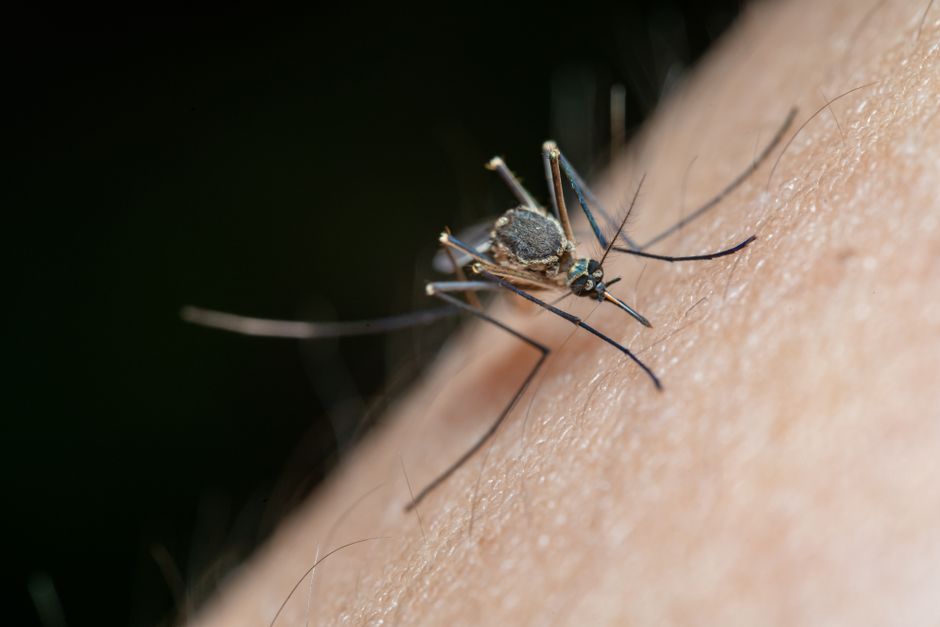
Biting flies bite for one reason: the female needs a blood meal to develop her eggs. Blood is not food for everyday energy. It is raw material for reproduction. That single fact explains most of the behavior people find so frustrating about mosquitoes, horse flies, black flies, and stable flies. They are not attacking you out of malice. They are responding to chemical and visual cues your body gives off constantly, and they are very good at reading those cues.
Only females of most biting fly species take blood. Males typically feed on nectar or plant sugars and do not bite at all. The protein and iron in blood go into egg production, so a female that never gets a blood meal may still survive but will not reproduce.
Why Do Biting Flies Bite?
Blood feeding is a reproductive strategy, not a feeding habit. Female biting flies need the amino acids and iron in blood to produce viable eggs. Plant sugar keeps the fly alive day to day, but it cannot build eggs on its own.
Different species take that blood meal in different ways. Mosquitoes pierce skin with a fine needle-like mouthpart and drink slowly. Horse flies and deer flies slice the skin and lap up the pooling blood, which is why their bites hurt immediately and often bleed. Stable flies and black flies cut and suck in a similar way. The pain you feel is partly the fly’s doing and partly your own immune response to proteins in the fly’s saliva.
This is where a common misunderstanding sits. People often assume a fly that lands on them is “tasting” or feeding. Many landing flies are males, or females that have already fed and are resting. The bite itself is tied specifically to egg development, which is why biting pressure rises at certain times and not others.
What Signals Tell a Biting Fly Where You Are?
Biting flies find hosts using a combination of carbon dioxide, body heat, body odor, and visual cues. Carbon dioxide from your breath and skin is the strongest long-range signal. A mosquito can detect it from a distance and will follow the gradient toward its source.
As the fly gets closer, other cues take over:
- Body heat — warm skin and exhaled air guide flies in the final approach.
- Skin chemicals — lactic acid, ammonia, and other compounds in sweat attract some species.
- Visual contrast — dark clothing and moving shapes are easier for many flies to spot against a background.
- Skin bacteria — the mix of microbes on your skin affects how you smell to a fly, and people vary in how attractive they are.
That last point explains something people notice but rarely hear explained. Some people really do get bitten more than others, and it is not imagination. Individual differences in skin chemistry, carbon dioxide output, and body size all play a part. Larger people and pregnant women tend to exhale more carbon dioxide and are often bitten more, though the effect varies by species.
Why Do Some People Get Bitten More Than Others?
Individual attractiveness to biting flies is real and measurable, but no single factor explains it. Carbon dioxide output, body heat, skin odor, and the community of bacteria living on your skin all contribute, and their relative importance differs between fly species.
Blood type has been studied as a possible factor, and some research suggests mosquitoes land more often on people with certain blood types. The evidence is not strong enough to say blood type is a major driver, and results vary across studies. It is one small piece among many.
What is better established is the effect of carbon dioxide and heat. Anything that raises your output of either — exercise, alcohol, being larger — tends to increase your appeal to at least some biting fly species. Alcohol is a well-documented example in mosquito research, though the effect size is modest and not a reason to avoid a drink on its own.
There is also a widely repeated claim that eating certain foods, like garlic or bananas, changes how attractive you are to biting flies. The evidence for these dietary effects in humans is thin. Some studies suggest a possible link, but nothing is established enough to recommend.




When and Where Are Biting Flies Most Active?
Biting fly activity follows predictable patterns tied to species, season, and time of day. Knowing these patterns helps explain why some outings produce far more bites than others.
Mosquitoes are often most active around dawn and dusk, though species vary and some bite during the day. Horse flies and deer flies are typically daytime biters, most active in warm, sunny conditions. Black flies tend to be active during the day and are strongly associated with flowing water, since their larvae develop in streams and rivers. Stable flies are common around livestock and can bite indoors and outdoors.
Weather matters too. Calm, humid conditions favor many biting flies, while wind reduces their ability to fly and track hosts. This is one reason a breezy day on the water feels so much better than a still one.
Why Do Bites Itch and Swell?
The itching and swelling after a bite come from your immune system reacting to proteins in the fly’s saliva. The fly injects saliva to keep blood flowing and to prevent it from clotting while it feeds. Your body recognizes those proteins as foreign and responds.
For most people the reaction is a small red bump that itches for a day or two. Some people develop larger reactions, and a few have stronger responses that can look alarming. The pattern of reaction can change with repeated exposure. People who are bitten often may develop a tolerance and react less over time, while people newly exposed to an unfamiliar species can react more strongly.
Scratching the bite can break the skin and create an opening for bacteria, which is the main reason bites sometimes become infected. Keeping the area clean and resisting the urge to scratch matters more than most people realize.
Do Biting Flies Spread Disease?
Some biting flies transmit disease, and which ones matters for where you live and travel. Mosquitoes are the most important disease vectors globally, involved in the transmission of malaria, dengue, West Nile virus, and other infections. The risk depends heavily on species and location.
Other biting flies carry diseases too, but the picture is different. Black flies transmit a parasite that causes river blindness in parts of Africa and Latin America, though this is not a concern in the United States. Sand flies, which are small biting flies, transmit leishmaniasis in certain regions. Horse flies and deer flies can transmit some infections but are not major disease vectors in most settings.
In the United States, the diseases of most concern from biting flies are mosquito-borne, including West Nile virus and, in some regions, other viruses. The risk is real but generally low for most people. Local public health departments track activity and issue guidance when risk rises.
How Can You Reduce Biting Fly Bites?
Reducing bites comes down to interrupting the cues flies use and creating barriers between you and them. No single method works perfectly, and combining approaches works better than relying on one.
Established measures include:
- EPA-registered insect repellents — products containing DEET, picaridin, or oil of lemon eucalyptus have been tested and shown to reduce bites. Follow label directions.
- Clothing barriers — long sleeves and pants reduce exposed skin. Some flies can bite through thin fabric, so thicker material helps.
- Physical barriers — screens and bed nets are highly effective where flies are dense.
- Reducing standing water — removing standing water around the home limits mosquito breeding sites.
- Timing and location — avoiding peak activity times and known hot spots reduces exposure.
Some products marketed as repellents have little or no evidence behind them. Ultrasonic devices, for example, have not been shown to reliably repel mosquitoes in studies. The evidence for them is weak, and public health guidance generally does not recommend them.
If you are bitten, washing the area with soap and water and avoiding scratching are reasonable steps. Seek medical attention if a bite shows signs of infection such as spreading redness, warmth, or fever, or if you develop symptoms like fever or body aches after being in an area with mosquito-borne disease.
Frequently Asked Questions
Why do biting flies bite humans?
Female biting flies bite to get the blood proteins and iron they need to develop eggs. Plant sugars keep them alive, but blood is required for reproduction.
Do all biting flies bite?
No. In most biting fly species, only the females take blood. Males typically feed on nectar and plant sugars and do not bite.
Why do some people get bitten by flies more than others?
Differences in carbon dioxide output, body heat, skin odor, and skin bacteria all affect how attractive a person is to biting flies. Blood type has been studied but is not a major established factor.
Do biting flies spread disease?
Some do. Mosquitoes are the most important disease vectors worldwide, while other biting flies transmit disease in specific regions. Risk depends on species and location.
