
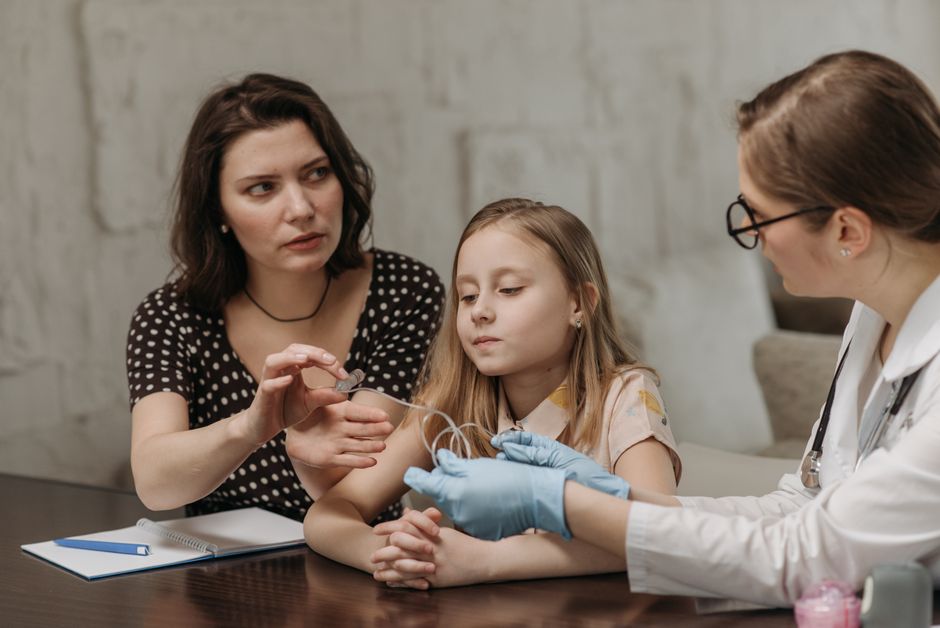
A colonoscopy in a child is uncommon, but it is not rare in pediatric gastroenterology. The most common reasons are persistent rectal bleeding, long-standing diarrhea, unexplained abdominal pain, poor growth, and suspected inflammatory bowel disease. Doctors also use it to find the cause of iron-deficiency anemia, to investigate polyps, and to check whether a known bowel condition is healing.
Parents often assume colonoscopy is an adult test. In children it is a different procedure with a different purpose, and it is almost never the first step. Most children reach this point only after blood tests, stool studies, and imaging have failed to explain their symptoms.
What Makes a Doctor Consider a Colonoscopy in a Child?
A colonoscopy lets a doctor look directly at the lining of the large intestine and the end of the small intestine. The test uses a thin, flexible tube with a camera. It is the only way to see the tissue clearly and take small samples, called biopsies, for lab testing.
Doctors order it when symptoms point to a problem in the lower bowel that other tests cannot confirm. The decision usually comes after a pediatric gastroenterologist reviews the child’s history, growth chart, lab results, and imaging.
Two things make the pediatric version different from the adult one. First, the child is sedated or put under general anesthesia, so the procedure is painless. Second, the doctor almost always takes biopsies even when the bowel looks normal to the eye. Some conditions, including certain forms of inflammation, can look fine on camera but show clear changes under a microscope.
Why Would A Child Need A Colonoscopy Common Reasons?
Five situations account for most pediatric colonoscopies. Each one involves symptoms that have not resolved or have no clear explanation after standard testing.
Rectal bleeding
Blood in the stool or on toilet paper is a frequent reason for referral. In many children the cause is minor, such as a small tear in the anal tissue from passing a hard stool. When bleeding continues, or when it comes with diarrhea, cramping, or weight loss, the doctor needs to look inside to rule out polyps, inflammation, or other sources.
Suspected inflammatory bowel disease
This is one of the most common reasons for the procedure. The two main types are Crohn’s disease and ulcerative colitis. Both can cause ongoing diarrhea, belly pain, blood in the stool, fatigue, and poor weight gain. No blood test or scan can confirm either condition on its own. The diagnosis depends on seeing the bowel lining and examining biopsy tissue under a microscope.
Chronic diarrhea
Diarrhea lasting weeks or months with no clear cause may prompt a look inside the colon. Doctors first check for infections, food sensitivities, and other common explanations. Colonoscopy is reserved for cases that persist or come with warning signs like bleeding, weight loss, or anemia.
Unexplained anemia or poor growth
Iron-deficiency anemia that does not improve with treatment can be a sign of slow, hidden bleeding in the bowel. Slow growth or weight loss alongside digestive symptoms raises the same concern. In these cases the colon is examined to find a source that standard tests missed.
Polyps and inherited conditions
Polyps are growths on the bowel lining. They are less common in children than in adults but do occur. Some children have inherited conditions that cause many polyps, and these children need regular screening. A colonoscopy can find and often remove polyps during the same procedure.
How Is a Colonoscopy Different for Children?
Children are not given the procedure the way adults are. They receive sedation or general anesthesia, so they feel nothing during the test. An anesthesia team monitors breathing and heart rate throughout.
The bowel must be empty for the camera to see clearly. That means a preparation step, usually a special liquid diet and a bowel-cleaning drink the day before. This is often the hardest part for families. Younger children may need a feeding tube placed briefly to get the cleaning liquid in, and some centers admit children to the hospital for the prep.
The procedure itself is usually short. Most children go home the same day once the sedation wears off. Some centers keep very young children or those with other health conditions overnight for observation.





What Can a Colonoscopy Find That Other Tests Cannot?
A colonoscopy finds problems that blood tests, stool tests, and imaging can miss. It shows the bowel lining directly and allows the doctor to take tissue samples from exact spots.
- Inflammation in the colon or the end of the small intestine, which helps distinguish Crohn’s disease from ulcerative colitis
- Polyps, which can often be removed during the same procedure
- Ulcers and areas of bleeding
- Microscopic changes that are invisible to the eye but clear under a microscope
Imaging such as CT scans and MRIs can show the shape and thickness of the bowel. They cannot show the surface detail or provide tissue for lab analysis. That is why biopsy results often decide the diagnosis.
What Are the Risks of Colonoscopy in Children?
Colonoscopy is generally considered a safe procedure in children when performed by experienced pediatric specialists. Serious complications are uncommon. The main risks are bleeding and, rarely, a tear in the bowel wall, which may need repair.
Sedation carries its own small risks, which is why an anesthesia team is involved. Mild bloating or cramping afterward is common and usually settles quickly. Dehydration from the bowel prep is a concern, especially in small children, and doctors give clear instructions on fluids to prevent it.
The evidence on complication rates comes largely from pediatric centers that perform these procedures regularly. Outcomes tend to be better when the procedure is done by a team that treats children often. Parents can ask how many pediatric colonoscopies their center performs each year.
Does My Child Definitely Need One?
Not every child with stomach problems needs a colonoscopy. Most do not. Doctors usually start with the least invasive tests first, and many symptoms resolve without ever reaching this step.
The test is considered when symptoms are persistent, when warning signs are present, or when a diagnosis cannot be made any other way. A pediatric gastroenterologist can explain what the procedure would add in your child’s specific case and what the alternatives are.
It helps to ask direct questions. What is the doctor looking for? What would the results change about treatment? What happens if we wait? These questions often clarify whether the test is truly needed or whether watchful waiting is reasonable.
Frequently Asked Questions
At what age can a child have a colonoscopy?
Colonoscopy can be performed at any age, including in infants, when a specialist judges it necessary. The technique and sedation plan are adjusted for the child’s size and age.
Is a colonoscopy painful for a child?
No. Children receive sedation or general anesthesia, so they do not feel the procedure. Some mild bloating or cramping afterward is common and usually passes quickly.
How long does a colonoscopy take for a child?
The procedure itself usually takes well under an hour, though the exact time depends on what the doctor needs to examine or treat. Recovery from sedation typically takes a few hours before the child can go home.
Can a colonoscopy be avoided if my child has blood in the stool?
Sometimes. A small anal tear from constipation is a common cause and often heals without the test. Ongoing bleeding, or bleeding with diarrhea, pain, or weight loss, usually calls for a closer look.
