
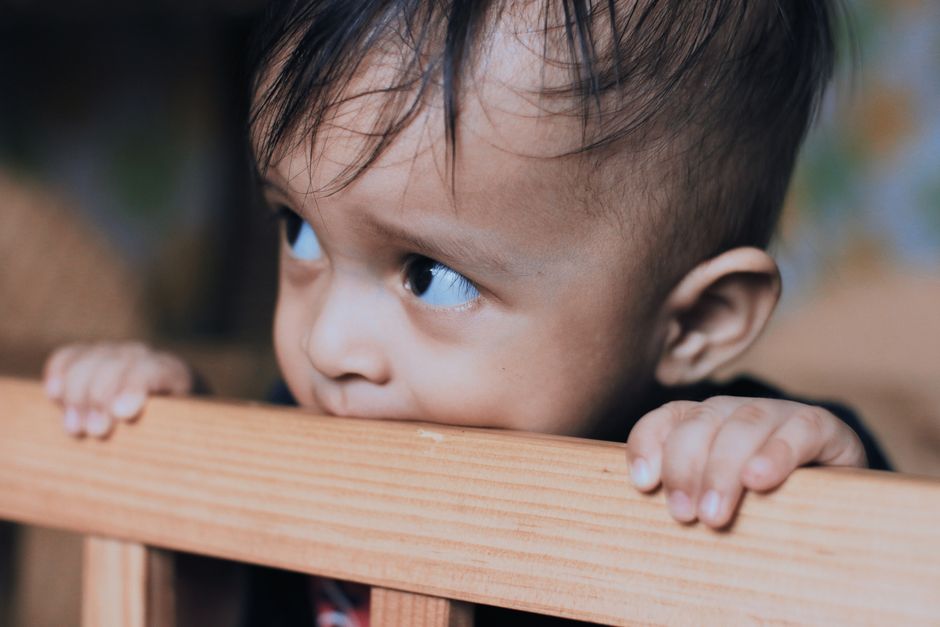
Babies bite during teething because their gums feel swollen and tender, and biting applies firm pressure that seems to ease that discomfort. The behavior also shows up because a baby’s mouth is their main tool for exploring the world, and new teeth give them something new to feel and test. Understanding the reason behind the bite makes it easier to respond calmly and protect everyone’s fingers.
Why does my baby bite when teething?
Teething causes real discomfort in the gums. As a tooth pushes through tissue, the area becomes sore and sometimes swollen. Biting down hard on something provides counter-pressure that many babies seem to find soothing, in the same way an adult might press on a sore muscle.
There is a second driver that often gets overlooked. Between roughly four and seven months, babies put almost everything in their mouths. This is a normal developmental stage, not a sign of hunger or misbehavior. The mouth is packed with nerve endings, so it is one of the most sensitive ways an infant gathers information. New teeth simply add to the things worth chewing on.
So biting during teething is usually two things at once: a comfort response to gum pain and a normal urge to explore. Some babies bite a lot, others barely at all. Both fall within the range of typical behavior.
Is biting a sign that a tooth is about to come through?
Sometimes, but it is not a reliable one. Increased chewing and drooling often pick up in the days before a tooth appears, but these behaviors also happen for many other reasons. A baby can chew intensely for a week with no tooth in sight.
It is worth separating teething from other causes of mouthing. Hunger, boredom, and simple curiosity all produce the same behavior. Teething gets blamed for a lot of things it does not cause. Research on teething symptoms has generally found that it is linked to mild, localized signs like gum irritation and drooling, while high fever and significant illness are not typical teething symptoms and should be looked at separately.
If your baby has a fever above 100.4°F (38°C), seems unwell, or is refusing feeds, treat that as a separate concern and contact your pediatrician rather than assuming it is teething.
Why do babies bite people instead of toys?
People are warm, soft, and responsive. A baby who bites a finger or a shoulder often gets an immediate reaction, which is interesting to an infant even if the reaction is not pleasant for the adult. Human skin also gives a satisfying amount of resistance compared with a hard plastic ring.
During breastfeeding, biting can happen too. It usually appears once teeth arrive, but it is often about discomfort or a change in the feeding rhythm rather than intent to hurt. Babies cannot yet connect biting with causing pain in another person. That understanding develops much later.
This matters for how you respond. A sharp reaction can sometimes make the behavior more interesting. A calm, consistent response teaches more than a startled one.



How can I help a teething baby who bites?
Give the urge somewhere safe to go. A baby who is chewing constantly needs appropriate things to chew on, and offering them before the biting starts often reduces it.
- Chilled teething rings. Cool, not frozen. Frozen items can be too hard and can injure tender gums.
- A clean, cool washcloth. Dampen it, chill it briefly, and let your baby gnaw on it under supervision.
- Firm rubber teethers. Avoid anything that could break into pieces or has small parts.
- Gum massage. A clean finger rubbed gently along the gums can ease soreness.
For pain, the American Academy of Pediatrics supports appropriate weight-based doses of infant acetaminophen or ibuprofen for teething discomfort, with ibuprofen generally reserved for babies over 6 months. Follow the dosing on the package or your pediatrician’s guidance, and never give aspirin to a baby or child.
Avoid teething necklaces and amber beads entirely. They pose a strangulation and choking risk, and no clinical evidence supports them for pain relief. The FDA has also warned against over-the-counter teething gels that contain benzocaine for infants and young children because of a rare but serious blood condition called methemoglobinemia.
What should I do when my baby bites me?
Respond calmly and consistently. The goal is to interrupt the behavior without turning it into a game or a source of alarm.
If your baby bites during feeding, gently break the latch, say a quiet “no biting,” and pause briefly before continuing. If they bite your finger or shoulder, set them down or move them away from the situation for a moment without anger. Over time, this simple cause-and-effect helps them learn that biting ends the interaction.
Keep your reaction low-key. A yelp or a dramatic response can be entertaining to a baby and may increase the behavior. Consistency matters more than intensity.
If biting is frequent and intense, or comes with other concerning changes in feeding or behavior, mention it at your next pediatric visit. Persistent, forceful biting is not typical of teething alone and is worth a professional look.
When does teething-related biting stop?
It usually fades as teething discomfort passes and as babies develop other ways to explore and communicate. Most children move through the heaviest mouthing phase within the first year or so, though the exact timing varies widely from child to child.
The first teeth typically begin to appear around 6 months, though some babies start earlier and others later. Biting tied to teething tends to ease once the most active teething periods pass. Biting that continues well beyond teething, especially in toddlers, is a different behavior with different causes and is not simply a teething issue.
When should I talk to a pediatrician?
Bring it up if biting is severe enough to break the skin, if it interferes with feeding, or if it comes alongside symptoms that do not fit teething. High fever, unusual drowsiness, vomiting, or refusal to eat are not teething symptoms and deserve prompt attention.
Also check in if you feel unsure about how much pain relief to give or which products are safe. Teething is common, but the amount of conflicting advice online is enormous, and a quick conversation with your pediatrician can clear up a lot of it.
Frequently Asked Questions
Is it normal for a teething baby to bite?
Yes, biting is a common and normal behavior during teething because it applies pressure that seems to soothe sore gums. It also reflects a baby’s natural urge to explore with the mouth.
Do teething necklaces help with biting and pain?
No, and they are not safe. Teething necklaces and amber beads pose a strangulation and choking risk, and no clinical evidence shows they relieve teething pain.
Can I give my baby pain relief for teething?
The American Academy of Pediatrics supports appropriate weight-based doses of infant acetaminophen or ibuprofen for teething discomfort, with ibuprofen generally for babies over 6 months. Always follow package dosing or your pediatrician’s guidance.
Why does my baby bite me while breastfeeding?
Breastfeeding biting often happens when a baby is uncomfortable or when the feeding rhythm changes, not from intent to cause pain. A calm, consistent response and a brief pause usually help reduce it over time.
