
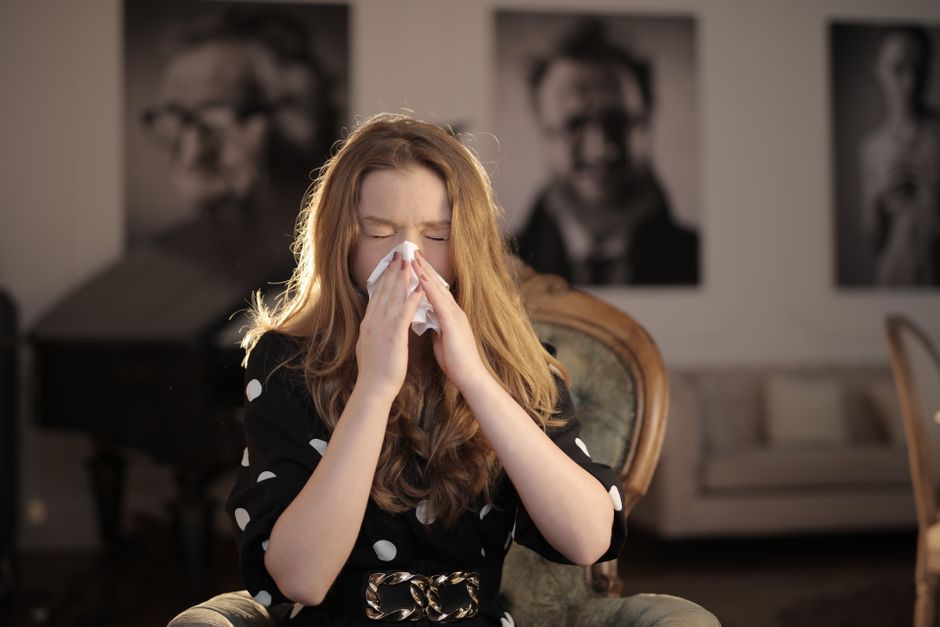
Sneezing all of a sudden is often a sign that something has irritated the lining of your nose. The most common causes are allergies, a viral cold, or an environmental trigger like dust or pet dander. Your body is trying to expel the irritant forcefully. In many cases, the reason is harmless and temporary, but sometimes it points to an underlying condition that needs attention.
What triggers sudden sneezing fits?
Your nose is lined with sensitive nerve endings. When something touches them — dust, pollen, a virus — your brain gets a signal and triggers a sneeze. Sudden sneezing usually means exposure to a new irritant. The most common triggers fall into four categories.
Allergies. Pollen, mold, pet dander, dust mites, and cockroach droppings can all cause sudden sneezing in people with allergic rhinitis. Your immune system treats these harmless substances as threats and releases histamine. Histamine causes itching, sneezing, and a runny nose. Symptoms often begin within minutes of contact.
Infections. The common cold, flu, and COVID-19 all start with sudden sneezing. The virus invades the nasal lining, and your body fights back by sneezing to clear the invaders. Sneezing is usually one of the first symptoms.
Environmental irritants. Smoke, strong perfumes, pollution, cold air, and spicy foods can trigger sneezing even if you are not allergic. These irritants directly stimulate the same nerve endings without involving the immune system.
Non‑allergic rhinitis. Some people sneeze suddenly for no obvious reason. Changes in weather, hormone shifts, certain medications, or even eating can set it off. Non‑allergic rhinitis is a diagnosis of exclusion — meaning other causes have been ruled out.
Why are you sneezing so much all of a sudden?
When sneezing starts suddenly after a period of no symptoms, the cause is usually something you just encountered. Think back over the past few hours. Did you walk into a room with a new air freshener? Did you visit a friend with a cat? Did you eat something spicy for lunch?
If your sneezing began within minutes of entering a certain environment, an allergen or irritant in that space is the likely cause. If you also have a stuffy nose, watery eyes, or itching, allergies are more likely. If you feel a tickle in your throat and later develop a sore throat or fever, a cold may be starting.
Sometimes the trigger is something you cannot easily avoid — like a sudden change in humidity or temperature. Many people sneeze when they step from a warm building into cold air. This is normal and usually not a sign of illness.
How does the sneeze reflex work?
Understanding the mechanism helps you know why it happens so fast. The sneeze reflex has three main steps.
- Detection. Nerve endings inside your nose sense an irritant. The most important nerve here is the trigeminal nerve.
- Signal. The trigeminal nerve sends a message to the medulla in your brainstem. This area coordinates the response.
- Action. Your chest muscles tighten, your vocal cords close, you take a deep breath, and then your vocal cords open suddenly, forcing air out through your nose and mouth at high speed.
This entire process takes less than a second. It is designed to clear the nasal passages of harmful particles. Sneezing can also be triggered by bright light — called the photic sneeze reflex. About 18–35% of people sneeze when they look at a bright light, and it is inherited.
Once the irritant is gone, the reflex usually stops. If it continues, the source is still there, or your body is still reacting.




When sudden sneezing is a sign of allergies
Seasonal allergies (hay fever) are one of the most common causes of sudden sneezing. If you sneeze mainly during spring or fall and also have itchy eyes and a runny nose, pollen is the likely trigger. Dust mite allergies can cause year‑round sneezing, especially in the bedroom.
Allergy symptoms usually appear within minutes of exposure. They last as long as you are around the allergen, and sometimes longer if histamine is still circulating. Antihistamines can help block the response, but they work best when taken before exposure.
A key clue is the presence of other symptoms like itchy, watery eyes or an itchy roof of the mouth. Those symptoms do not usually happen with a cold or an irritant. If you have them, allergies are the more likely cause.
When sudden sneezing is a sign of a cold
A cold virus can start with a single sneeze. Within 12‑48 hours, you may develop a sore throat, cough, stuffy nose, and sometimes a low‑grade fever. The sneezing phase of a cold typically lasts 1‑2 days, but the sniffles can linger for a week.
Unlike allergies, cold symptoms do not improve when you leave a certain room. They progress over several days. You may also feel tired and achy. The exact virus cannot be determined without a test, but the pattern is recognizable.
If your sneezing is accompanied by fever, body aches, or loss of taste or smell, you should consider COVID‑19. Testing is the only way to be sure.
How to treat sudden sneezing
Treatment depends on the cause. For allergies, the most effective step is avoidance. If you know your triggers — pollen, dust, pets — reducing exposure is the first line. Over‑the‑counter oral antihistamines (loratadine, cetirizine, fexofenadine) work well for most people. Nasal steroid sprays like fluticasone can also help but may take several days to reach full effect.
For a cold, there is no cure. The sneezing will stop on its own as your immune system clears the virus. Over‑the‑counter decongestants may help with stuffiness, and antihistamines can reduce sneezing, but they will not shorten the illness.
For environmental irritants, removing yourself from the trigger is usually enough. If you sneeze repeatedly in a specific room, check for mold, dust, or strong fragrances.
For non‑allergic rhinitis, treatment is more challenging. Nasal saline rinses can help flush out irritants. Prescription nasal sprays like ipratropium bromide may reduce sneezing, but the evidence is limited for some forms of the condition.
When should you see a doctor?
Most sudden sneezing is not dangerous and resolves on its own. But you should see a doctor if:
- Sneezing lasts more than two weeks without improvement
- It is accompanied by facial pain, thick yellow or green nasal discharge, or fever above 101°F (38.3°C)
- You have difficulty breathing or wheezing
- The sneezing happens after starting a new medication (especially blood pressure drugs or pain relievers)
- Your symptoms interfere with sleep or daily life
A doctor can perform allergy testing, examine your nasal passages with an endoscope, and rule out less common causes like nasal polyps or a structural issue.
Can you prevent sudden sneezing?
Prevention works best when you know the cause. If you have seasonal allergies, starting antihistamines before the pollen season begins can blunt the response. Keeping windows closed, using HEPA air filters, and showering after outdoor exposure can all help reduce the allergen load.
For dust mites, washing bedding in hot water weekly and using allergen‑proof covers on pillows and mattresses can lower exposure. For pet allergies, keeping pets out of the bedroom and using a HEPA vacuum can reduce dander.
If you sneeze in response to strong smells or cold air, avoidance is the main strategy. Wearing a scarf over your nose in winter can warm the air slightly, but this is not well studied.
What about the photic sneeze reflex?
If you sneeze when you walk into sunlight or look at a bright light, you have the photic sneeze reflex. This is a genetic trait — it runs in families. It is not an allergy or a disease. It is harmless. The reflex involves the same nerve pathways, and the trigger is sudden bright light. To avoid it, wear sunglasses or look away from bright sources.
Frequently Asked Questions
Can stress cause sudden sneezing?
Stress alone does not directly trigger the sneeze reflex, but it can worsen underlying conditions like allergies or non‑allergic rhinitis, making you more reactive.
Is sneezing a symptom of COVID-19?
Yes, sneezing can be a symptom of COVID‑19, but it is not the most common one. Fever, cough, and loss of taste or smell are more typical. Testing is the only way to confirm.
Why do I sneeze more at night?
Nighttime sneezing is often due to dust mites in your bedding or a change in room humidity. Lying down can also increase nasal congestion, which may trigger sneezing in sensitive people.
Can certain foods make you sneeze suddenly?
Yes, spicy foods like chili peppers can trigger sneezing by stimulating the same nerve endings as irritants. This is normal and not an allergy unless you also develop hives or swelling.
