
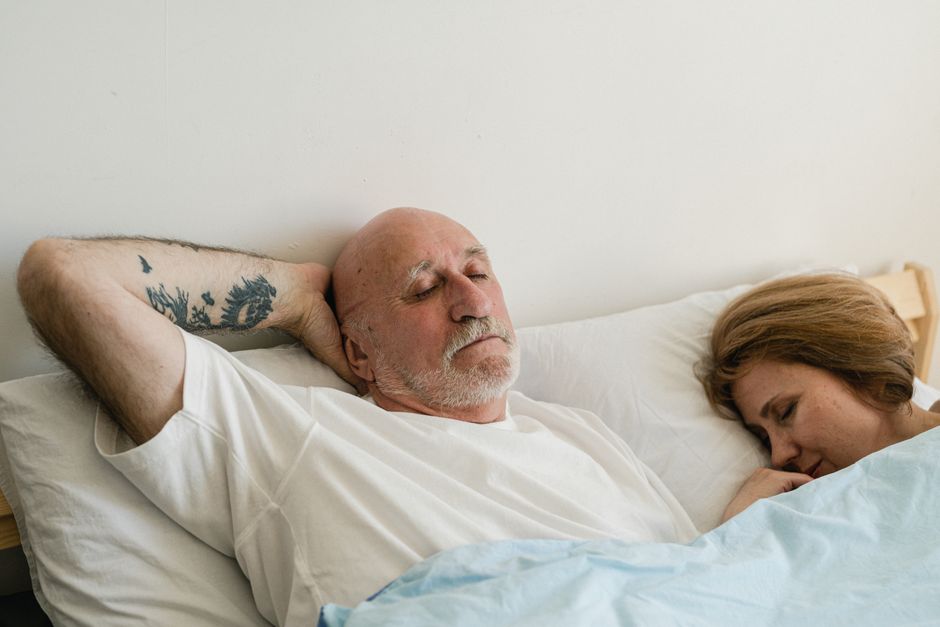
Waking up to a wet pillow can be confusing, especially when it never happened before. Sudden nighttime drooling usually means something changed with how you breathe, sleep, or swallow during the night. The most common trigger is a shift to mouth breathing, often caused by nasal congestion, allergies, or a new sleep position, but it can also point to sleep apnea, acid reflux, or a medication side effect.
Why Am I Drooling In My Sleep All Of A Sudden?
Drooling happens when saliva pools in your mouth and escapes because your swallowing reflex slows down. During deep sleep, your muscles relax, including the ones that keep your mouth closed. If you are a natural mouth breather, saliva has a clear path to leak out.
A sudden change means one of those factors shifted recently. Ask yourself what changed in the last few weeks. Did you start a new medication? Did allergy season begin? Did you gain weight? Did you start sleeping on your back or side?
Each of these can alter how much saliva you produce or how well you swallow overnight. The sudden onset is rarely dangerous, but it is worth investigating because it can signal an underlying sleep or health issue.
What Causes Sudden Nighttime Drooling?
The causes break down into a few main categories. Some are temporary and easy to fix. Others need medical attention.
Nasal congestion and mouth breathing. When your nose is blocked, your body automatically switches to mouth breathing to get air. With your mouth open, saliva escapes. Colds, allergies, sinus infections, or even a deviated septum can cause this. If you recently developed allergies or a mild cold, that alone explains the drooling.
Sleep position. Sleeping on your side or stomach makes drooling more likely. Gravity pulls saliva toward your lips instead of down your throat. If you recently changed positions — perhaps due to a new mattress, pregnancy, or back pain — this could be the reason.
Acid reflux. Stomach acid can travel up your esophagus at night, especially when lying flat. Your body responds by producing more saliva to neutralize the acid. This excess saliva then pools and leaks out. Some research suggests a strong link between nighttime reflux and drooling. If you also notice a sour taste in your mouth or heartburn at night, reflux is a likely culprit.
Medication side effects. Some medications increase saliva production. Others cause muscle relaxation that makes swallowing less frequent. Antipsychotics, some Alzheimer’s medications, and certain muscle relaxants are known culprits. Check the side effect list of any new medication you started recently.
Sleep apnea. Obstructive sleep apnea causes pauses in breathing during sleep. Your brain wakes you briefly to restart breathing, and these interruptions can disrupt your swallowing reflex. People with sleep apnea often breathe through their mouths and wake up with dry mouths or drool. Loud snoring, gasping at night, or daytime fatigue alongside the drooling should raise suspicion.
Is Sudden Drooling a Sign of Something Serious?
In most cases, no. But certain warning signs should not be ignored.
If the drooling comes with weakness on one side of your face, difficulty speaking, or numbness, that could indicate a stroke or transient ischemic attack. Seek emergency care immediately if these symptoms are present.
Sudden drooling with facial drooping can also be Bell’s palsy, a temporary weakness of facial muscles. This condition usually resolves on its own but requires a medical evaluation to rule out more serious causes.
For most people, however, sudden drooling is benign. It reflects a change in sleep habits, breathing patterns, or medication use rather than a neurological problem.



How Does Sleep Position Affect Drooling?
Your sleep position directly controls whether saliva stays in your mouth or leaks out.
Back sleeping keeps your head and mouth in a neutral position. Saliva naturally pools at the back of your throat, and you swallow it more easily. This position produces the least drooling for most people.
Side sleeping tilts your head. Saliva collects at the corner of your mouth and drips out. Stomach sleeping is similar — your face presses into the pillow, and your mouth may fall open slightly.
If you recently switched positions due to snoring, heartburn, or a new pillow, that change alone can explain sudden drooling. Try sleeping on your back for a few nights to see if the drooling stops.
Pillow height matters too. A pillow that is too high or too low can bend your neck and affect how your mouth rests. A neutral spine position keeps your airway open and your swallowing reflex more active.
Can Allergies or a Cold Cause Drooling at Night?
Yes, and this is one of the most common temporary causes.
When your nasal passages are inflamed or blocked, you cannot breathe comfortably through your nose. Your body switches to mouth breathing reflexively. An open mouth allows saliva to escape.
Allergies can also increase saliva production directly. Histamine release triggers mucus production, and some people produce more saliva as part of the allergic response.
If your drooling started during allergy season or alongside a cold, treat the congestion first. Nasal saline rinses, antihistamines, or a humidifier in your bedroom can help. Once your nose clears, the drooling often stops on its own.
How to Stop Drooling in Your Sleep
Start with the simplest fixes before considering medical evaluation.
Change your sleep position. Sleeping on your back is the most effective position change for drooling. If back sleeping is uncomfortable, try a body pillow to keep yourself from rolling onto your side.
Treat nasal congestion. A saline nasal spray before bed, a neti pot, or an over-the-counter decongestant can open your nasal passages. Steam from a hot shower before bed also helps. Address the underlying cause — allergies, cold, or sinus issues — rather than just the symptom.
Adjust your pillow. Your head should be elevated slightly and your neck should stay in line with your spine. Too much elevation can compress your airway. Too little can let your mouth fall open.
Stay hydrated during the day. Dehydration can thicken saliva, making it more likely to pool. Drinking enough water keeps saliva thin and easier to swallow.
Consider mouth exercises. Some evidence suggests that strengthening tongue and throat muscles can improve swallowing control at night. These exercises are not a proven cure, but they are low-risk and may help some people.
If these changes do not help within a few weeks, talk to your doctor.
When to See a Doctor About Nighttime Drooling
Occasional drooling does not require medical attention. Persistent drooling that happens most nights deserves a conversation with your doctor.
Seek medical advice if the drooling comes with any of these symptoms:
- Loud snoring, gasping, or choking sounds at night
- Excessive daytime sleepiness despite a full night of sleep
- Morning headaches or a dry mouth that does not resolve
- Facial weakness, numbness, or difficulty speaking
- Frequent heartburn or a sour taste in your mouth in the morning
Your doctor can evaluate for sleep apnea, acid reflux, or medication side effects. If sleep apnea is suspected, they may recommend a sleep study. Treatment for the underlying condition usually resolves the drooling.
For acid reflux, dietary changes or proton pump inhibitors may help. For medication-related drooling, your doctor might adjust the dose or switch to a different drug. Never stop a prescription medication without consulting your doctor.
Does Age Play a Role in Sleep Drooling?
Drooling is most common in children, but it can appear at any age. Sudden onset in adults is usually linked to a specific change rather than aging itself.
However, age-related factors can contribute. Older adults may produce less saliva overall, but those who produce more can drool more. Dental issues, poorly fitting dentures, or age-related changes in swallowing function can also play a role.
Medication use increases with age, and many common medications for blood pressure, depression, or anxiety list dry mouth or increased salivation as side effects. If you started a new medication around the time the drooling began, review the side effect profile with your pharmacist.
Can Stress or Anxiety Cause Drooling at Night?
Stress does not directly cause drooling, but it can contribute indirectly.
Anxiety can disrupt sleep quality and change your sleep patterns. Poor sleep can lead to mouth breathing or heavier snoring. Stress also increases acid reflux in some people, which as discussed can trigger excess saliva production.
Some people clench or grind their teeth at night when stressed. This can stimulate saliva production and alter mouth position during sleep. If you notice jaw pain or tooth sensitivity alongside the drooling, teeth grinding may be part of the picture.
Frequently Asked Questions
Can sleeping on my back actually stop drooling?
Yes, for most people back sleeping reduces or eliminates drooling because saliva pools at the back of the throat where it is swallowed naturally. Side and stomach sleeping allow gravity to pull saliva toward your lips.
Is drooling in sleep a sign of sleep apnea?
It can be, especially if you also snore loudly, gasp at night, or feel exhausted during the day. Not everyone with sleep apnea drools, and most droolers do not have sleep apnea, but the combination of symptoms warrants a medical evaluation.
What medication causes drooling at night?
Antipsychotics, certain Alzheimer’s medications, and some muscle relaxants are known to increase salivation or relax swallowing muscles. Check the side effect list of any new medication and ask your pharmacist if you suspect a connection.
