
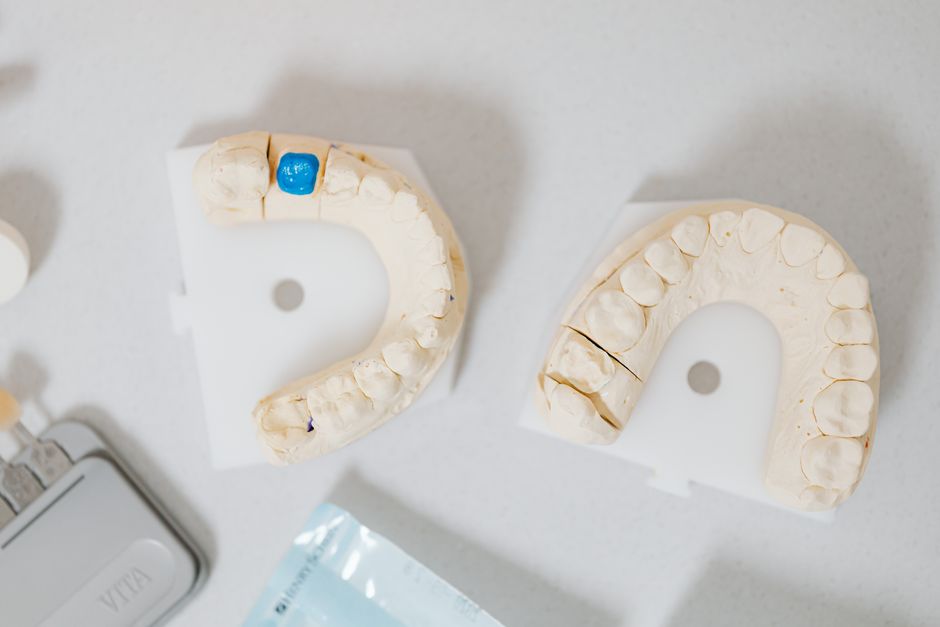
A dental crown typically costs between $1,000 and $3,500 per tooth in the United States. The final price depends on the material you choose, your dentist’s location, and whether your insurance covers part of the bill. A porcelain crown on a front tooth generally costs more than a metal crown on a back molar.
What Factors Drive the Final Price of a Crown?
The price of a crown is not a single fixed number. Several variables push the cost up or down, and understanding them helps you anticipate what your specific treatment will cost.
Material is the largest factor. Crowns come in several types, and each has a different price range because the materials themselves cost different amounts. Porcelain-fused-to-metal crowns are a common middle-ground option. All-ceramic or all-porcelain crowns are often used for front teeth because they match the color of natural teeth most closely. Gold crowns are durable but cost more due to the metal itself. Zirconia crowns are strong and popular for molars.
- All-metal (gold or base metal): Generally the least expensive to produce, though gold prices fluctuate.
- Porcelain-fused-to-metal: A moderate price point with a natural look.
- All-ceramic or all-porcelain: Higher cost, best aesthetic match.
- Zirconia: High strength, mid-to-high price range.
Your dentist’s geographic location matters. Dental fees in major metropolitan areas like New York or San Francisco run higher than in rural or smaller markets. This is simply a reflection of higher office overhead and regional cost of living.
The complexity of your case also affects the price. If your tooth is badly decayed or broken below the gum line, the dentist may need to perform additional procedures before placing the crown. These add to the total bill.
How Much Does a Crown Cost With and Without Insurance?
Dental insurance changes the out-of-pocket cost significantly. Most dental plans cover a portion of crown procedures because crowns are considered restorative care, not cosmetic. The typical coverage is 50 percent of the allowed amount, but this varies by plan.
Without insurance, you pay the full fee charged by the dental office. The national average for a crown without insurance ranges from about $1,100 to $1,800 for a porcelain-fused-to-metal crown. All-ceramic crowns often run between $1,300 and $2,500. Gold crowns can cost $1,500 to $3,500 depending on the current price of gold and the lab fees.
With insurance, you are responsible for your copay and your deductible. Many patients end up paying between $500 and $1,500 out of pocket after insurance contributes. Some plans cap annual benefits around $1,500 to $2,000, so if you have other dental work in the same year, your crown may push you over that limit.
Before agreeing to treatment, ask your dentist’s office to submit a pre-treatment estimate to your insurance company. This gives you a written prediction of what your plan will pay and what you owe. It is not a guarantee, but it is a reliable planning tool.
What Additional Fees Should You Expect?
The crown itself is not the only charge on your bill. Most patients need additional procedures that are billed separately.
A core buildup is common. If the tooth has lost a significant amount of structure from decay or a fracture, the dentist builds it up with filling material before placing the crown. This adds roughly $150 to $350 to the total.
A root canal is often needed before crowning a tooth that is infected or deeply decayed. A root canal on a molar typically costs $800 to $1,500 without insurance. This is a separate procedure with its own recovery and costs.
X-rays and the temporary crown are usually included in the crown fee, but confirm this with your office. Some practices itemize these separately.
If your dentist uses a same-day CAD/CAM system, the crown is milled in the office while you wait. This technology can save you a second appointment, but it does not necessarily save you money. The fee is often comparable to a lab-made crown.





How Long Does a Crown Last and Is It Worth the Cost?
Crowns are a long-term investment. With good oral hygiene and regular dental visits, a crown typically lasts 10 to 15 years. Some last much longer. Gold crowns and zirconia crowns tend to have the longest track records for durability.
Compare this to the alternative. Leaving a cracked or decayed tooth untreated can lead to more extensive damage, potentially requiring extraction and replacement with an implant or bridge. Those options are significantly more expensive than a crown.
The cost of a crown is not just about the material. You are paying for the dentist’s skill in preparing the tooth, taking accurate impressions, and ensuring the crown fits properly. A poorly fitted crown leads to decay at the margin, gum irritation, or early failure. A well-made crown that fits precisely is worth the higher fee because it avoids costly re-treatment.
Are There Cheaper Alternatives to a Crown?
For some situations, a less expensive restoration may be appropriate. Your dentist will recommend the right option based on how much healthy tooth structure remains.
An onlay or inlay is a partial crown that covers only part of the tooth. These cost less than a full crown and are used when the damage is not extensive enough to warrant covering the entire tooth.
A large filling is the cheapest option, but it is not always suitable. Large fillings on teeth that bear heavy chewing forces can crack over time, leading to more expensive repairs later.
Dental schools offer reduced-cost care. If you have a dental school nearby, students perform procedures under the supervision of experienced faculty. The cost is often 30 to 50 percent less than a private practice. The trade-off is longer appointment times and a schedule dictated by the academic calendar.
Dental discount plans are not insurance. They are membership programs that give you a reduced fee schedule at participating dentists. You pay an annual fee and then receive 10 to 30 percent off procedures. This can help if you do not have insurance, but you must confirm your dentist participates before enrolling.
How Do You Choose the Right Crown Material for Your Budget?
The best material for you depends on which tooth needs the crown and what you can afford. Your dentist should explain the options and their trade-offs honestly.
For back molars, strength matters more than appearance. Zirconia or gold are excellent choices because they withstand heavy biting forces. Gold is the most forgiving on opposing teeth and has a long history of success, but some patients dislike the color.
For front teeth, appearance is usually the priority. All-ceramic crowns offer the best color match and translucency. They are less strong than zirconia or metal, but front teeth do not endure the same chewing forces as molars.
Porcelain-fused-to-metal crowns are a reasonable compromise. They look natural and are strong enough for most situations. The downside is that the metal margin can show as a dark line near the gum over time, especially if your gums recede.
Ask your dentist to show you photos of their own crown work. Ask which material they would choose for their own tooth in your situation. Most dentists will give you a direct answer, and that is useful information.
What Questions Should You Ask Before Agreeing to a Crown?
Before you commit to treatment, get clarity on the full cost. Ask for a written treatment plan that itemizes every fee. This prevents surprise charges later.
Ask whether the quoted fee includes the temporary crown, anesthesia, and any follow-up adjustments. Some offices charge separately for the final polish or bite adjustment appointment.
Ask about the warranty. Many dental labs and offices offer a one-year warranty on crowns. If the crown fractures or fails within that period, they replace it at no charge. This is worth confirming in writing.
Ask what happens if the crown does not seat perfectly at the first try. A reputable dentist will redo the crown without charging you a second lab fee. This is standard practice, but confirming it protects you.
Is It Cheaper to Get a Crown Overseas?
Dental tourism is a real option for some patients. Crowns in countries like Mexico, Costa Rica, Thailand, and Hungary can cost 40 to 70 percent less than in the United States. A crown that costs $1,200 in the U.S. might cost $400 to $600 abroad.
The savings are real, but the risks are also real. Follow-up care is difficult if something goes wrong after you return home. You cannot easily fly back for a bite adjustment. The quality of care varies widely, and it is hard to verify a dentist’s credentials from another country.
If you consider this route, research the specific clinic thoroughly. Look for dentists with U.S. or European training. Ask for before-and-after photos of actual patients. Understand that your U.S. dentist will not assume responsibility for correcting another dentist’s work.
For most patients, the convenience and accountability of local care outweigh the cost savings of traveling abroad. The decision is personal, but the hidden costs of travel, time off work, and potential re-treatment should factor into your calculation.
Frequently Asked Questions
Does dental insurance cover the full cost of a crown?
Most dental plans cover about 50 percent of the crown cost, leaving you responsible for the rest. Your annual deductible and benefit cap also affect the final amount you pay.
How long does a dental crown last?
A well-made crown typically lasts 10 to 15 years with good oral hygiene. Gold and zirconia crowns often last longer than porcelain options.
Can I get a crown in one day?
Same-day crowns are possible with CAD/CAM technology, and the cost is usually comparable to a traditional crown. Not all dentists have this equipment, so you need to ask specifically.
Is a root canal always needed before a crown?
No, a root canal is only needed if the tooth’s pulp is infected or damaged. A crown is placed on a healthy tooth without root canal treatment.
