
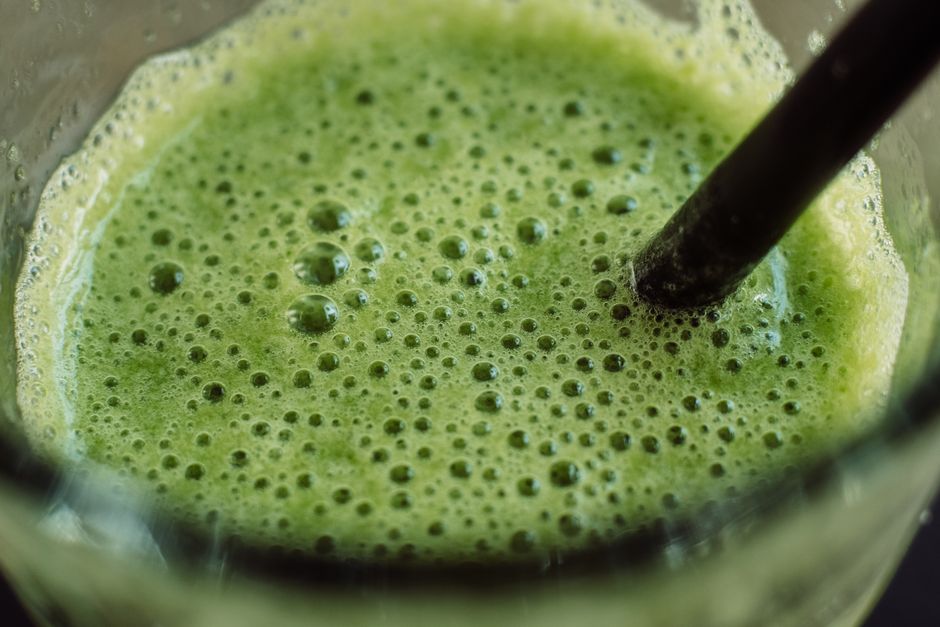
Seeing green in the toilet bowl can be surprising. But green poop is usually harmless and temporary. The most common reason is something you ate — especially green vegetables or foods with green food coloring. Your body digests things at different speeds, and when food moves through your system too fast, bile doesn’t have time to turn brown. That leaves your stool looking green.
What Causes Green Stool in Adults?
The color of your stool comes mostly from bile. Your liver makes bile, which is naturally green. As bile travels through your intestines, bacteria break it down and it turns brown. When that process speeds up or slows down, the green color stays.
Green vegetables like spinach, kale, and broccoli contain chlorophyll. Chlorophyll is a green pigment your body does not fully absorb. If you eat a large salad or a green smoothie, your stool may look green the next day. This is completely normal.
Food coloring is another common cause. Green sports drinks, gelatin desserts, and candy can pass through your system without being fully broken down. Even purple or blue foods can sometimes mix with yellow bile and appear green. The FDA approves these dyes, but they are not fully digested.
Some studies suggest that iron supplements can also turn stool green or dark green. Iron is not fully absorbed by everyone, and the remainder can change stool color. This is not dangerous, but it can be confusing if you do not expect it.
Does Green Poop Mean Something Is Wrong With Your Digestion?
Green stool can signal that food is moving through your colon too quickly. This is called rapid gastric emptying or decreased transit time. When food passes quickly, bile does not have enough time to turn brown.
Diarrhea is the most common example. If you have loose stools that are green, it likely means your body did not fully digest what you ate. This can happen with stomach bugs, food poisoning, or even stress. The CDC reports that norovirus causes about 19 to 21 million cases of vomiting and diarrhea each year in the United States, and green stool can appear during these episodes.
Some people experience green stool after taking antibiotics. Antibiotics kill bacteria in your gut, including the bacteria that help break down bile. Without those bacteria, bile stays green. This is usually temporary and resolves once you finish the medication.
There is a condition called bile acid malabsorption, where your body does not reabsorb bile properly. This causes green, watery diarrhea. It is more common in people who have had their gallbladder removed or who have Crohn’s disease. Research published in Alimentary Pharmacology & Therapeutics estimates that about 1 in 20 people with chronic diarrhea have bile acid malabsorption.
What About Green Stool in Babies and Children?
Green stool is very common in infants. Newborns pass meconium, which is dark green to black. This is normal and happens in the first few days of life. After that, breastfed babies often have yellow-green stool because breast milk digests quickly.
Formula-fed babies may also have green stool if the formula is iron-fortified. Iron is added to prevent anemia, and it can darken or green the stool. The American Academy of Pediatrics states that iron-fortified formula is safe and does not cause harm.
In older children, green stool usually comes from food. Green gelatin, fruit snacks, and birthday cake frosting are common culprits. If your child has green stool without other symptoms like fever or pain, there is usually no reason to worry.
One thing to watch for is green stool combined with mucus. This can indicate an infection or food allergy. If it happens more than a few times, a pediatrician should evaluate the child.





Common Misconceptions About Green Poop
Many people believe green stool is a sign of a serious illness. That is rarely true. The vast majority of cases are caused by diet or temporary digestive changes. There is no solid evidence linking green stool to cancer, liver disease, or pancreatic problems unless other symptoms are present.
Another myth is that green poop means you are not absorbing nutrients. While rapid transit time can reduce absorption, green stool alone does not confirm malabsorption. You would also see weight loss, fatigue, or greasy stool if malabsorption was significant.
Some people think green stool means they are detoxing. There is no clinical evidence for this. The body detoxifies through the liver and kidneys, not through stool color. Green stool from vegetables or supplements is just undigested pigment, not toxins leaving the body.
Green stool is also not a reliable sign of pregnancy. Hormonal changes during pregnancy can slow digestion, but that usually causes constipation, not green stool. If you are pregnant and have green stool, it is more likely from prenatal vitamins containing iron.
When Should You See a Doctor About Green Stool?
Green stool on its own is rarely a medical emergency. But there are situations where you should get checked. If your green stool lasts more than a few days without a clear cause, see your doctor. Persistent changes in stool color can sometimes indicate a problem with bile flow or absorption.
If green stool is accompanied by severe abdominal pain, vomiting, or fever, you may have an infection. Norovirus, salmonella, and E. coli can all cause green diarrhea. The CDC estimates that salmonella causes about 1.35 million infections each year in the US. Most resolve on their own, but some require medical care.
Black or bloody stool is more concerning than green stool. Black stool can indicate bleeding in the upper digestive tract. Blood in stool can be a sign of hemorrhoids, fissures, or more serious conditions. If you see black or red in your stool, call your doctor promptly.
People with known digestive conditions like Crohn’s disease, ulcerative colitis, or celiac disease should pay attention to green stool. It can signal a flare-up or a change in disease activity. Keep your gastroenterologist informed if you notice consistent changes.
What Can You Do About Green Stool?
If your green stool is from food, nothing needs to be done. It will resolve on its own once the food passes through. If you ate a lot of green vegetables, your stool will return to normal within a day or two.
If green stool is from diarrhea, focus on hydration. Drink water and consider an oral rehydration solution with electrolytes. Avoid sugary drinks, which can make diarrhea worse. The World Health Organization recommends oral rehydration salts for diarrhea to prevent dehydration.
If you suspect a food dye is the cause, check labels. Green, blue, and purple dyes are common in processed foods. Cutting back on these foods for a day or two should clear things up.
If you are taking iron supplements and have green stool, talk to your doctor about the dose. Sometimes taking iron with food or switching to a different form can reduce the effect. Do not stop taking iron without medical advice, especially if you are anemic.
There is no medication for green stool itself because it is not a disease. Treating the underlying cause — whether it is infection, rapid digestion, or diet — will fix the color.
Frequently Asked Questions
Can stress cause green poop?
Stress can speed up digestion, which may cause stool to appear green. This is because food moves through the colon faster and bile does not fully break down.
Is green poop a sign of infection?
Green stool can occur with infections that cause diarrhea, like norovirus or salmonella. If you also have fever or vomiting, an infection is possible.
Does green poop mean you have a food allergy?
Green stool alone is not a sign of food allergy. Food allergies usually cause hives, swelling, or breathing problems, not just a change in stool color.
How long does green poop last?
Green stool from food or mild diarrhea usually lasts one to two days. If it lasts longer than a week, see your doctor to rule out other causes.
