
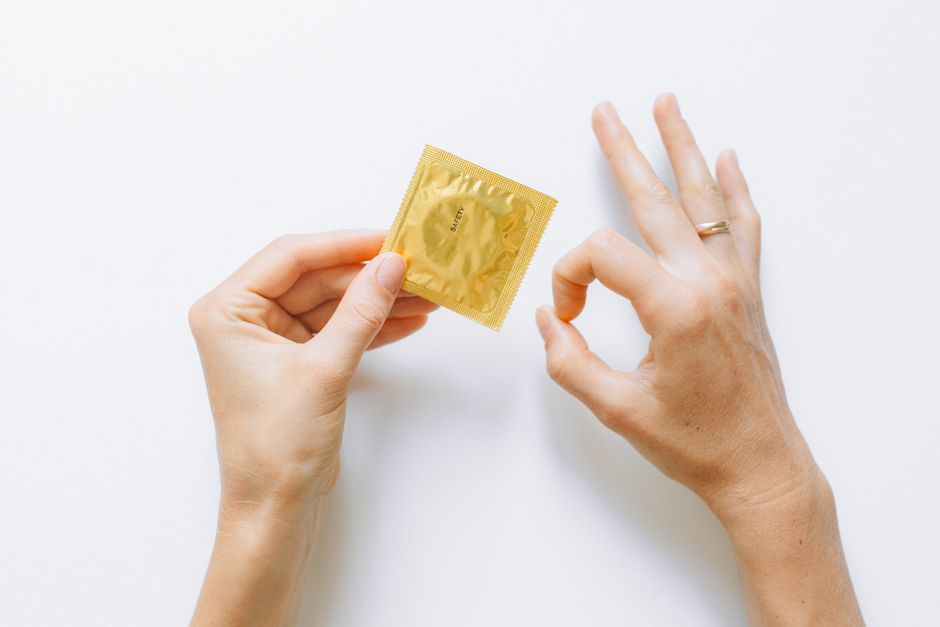
Quitting birth control is straightforward: you stop taking the pill, remove the patch, or have your IUD taken out by a clinician. What happens after is different for everyone. Your body needs time to readjust to its natural hormone cycle. Some people get their period back within days. Others wait months. Most side effects are temporary, and pregnancy is possible as soon as you stop, sometimes within weeks. There is no medical requirement to “detox” or “cleanse” after birth control. Your body does that on its own.
What Actually Happens to Your Body After Stopping Birth Control?
Your menstrual cycle may take time to return to its natural rhythm. For some women, a period arrives within four to six weeks. For others, especially those who used hormonal birth control for years, it can take three to six months. This is normal.
Hormonal birth control works by suppressing ovulation. When you stop, your brain and ovaries need to restart communication. The pituitary gland begins producing follicle-stimulating hormone again. Your ovaries start releasing eggs. This process is not instant for everyone.
Some women experience what doctors call “post-pill amenorrhea.” That means no period for three months or longer after stopping. It is more common in women who had irregular cycles before starting birth control. If you had irregular periods as a teen, you may have them again.
Other common changes include acne returning, mood shifts, and changes in libido. Birth control pills often stabilize mood and clear skin. When you stop, those benefits can reverse. This is not a sign something is wrong. It is your body returning to its natural baseline.
Weight changes are also reported, though evidence is mixed. Some women lose water weight quickly. Others report gaining a few pounds as hormones balance. As of 2026, research has not found a consistent pattern. Most changes are temporary and settle within three to six months.
How Long Does It Take for Hormones to Balance After Birth Control?
Most women’s hormone levels return to normal within one to three menstrual cycles. A cycle is roughly 28 days, though it can vary widely. For some, it takes up to nine months.
Your body does not store synthetic hormones from birth control. They leave your system within days. The pill’s hormones are gone in about 48 hours. The implant and hormonal IUD take longer because they release hormones locally. After removal, hormone levels drop within a week.
What takes time is your natural hormone production restarting. The hypothalamus and pituitary gland need to wake up. They have been suppressed, sometimes for years. This is not dangerous. It is simply a delay.
One non-obvious point: your cervical mucus changes quickly. Within days of stopping, you may notice more discharge. This is a good sign. It means your body is producing fertile-quality mucus again. It is one of the first signs ovulation may return.
Some women worry their hormones are “broken” after long-term use. That is not supported by evidence. Studies show that fertility and hormone function return to pre-birth control levels in nearly all women within one year. No permanent changes have been documented.
Can You Get Pregnant Immediately After Stopping Birth Control?
Yes. Pregnancy is possible as soon as you ovulate after stopping. For some women, that happens within two weeks. For others, it takes months.
There is no required waiting period. The old advice to “wait three months” before trying to conceive is not supported by current research. A 2016 study in the BMJ found no increased risk of miscarriage or birth defects in pregnancies conceived immediately after stopping birth control.
If you are not trying to get pregnant, use backup contraception from day one. Sperm can live in the body for up to five days. If you ovulate two weeks after stopping, you could get pregnant from sex that happened the day you stopped.
For women who used the Depo-Provera shot, return to fertility takes longer. It can take 9 to 12 months for ovulation to return after the last shot. This is because the hormone stays in your system longer than other methods.
If you are trying to conceive, tracking ovulation helps. Use ovulation predictor kits or track cervical mucus. Do not rely on period tracking apps alone. They are often inaccurate, especially in the first few cycles after stopping.





What Are Common Side Effects and How Long Do They Last?
Side effects vary by person and by the type of birth control used. Most are temporary and not dangerous.
Common side effects include:
These symptoms usually peak in the first three months and improve by six months. If they persist beyond a year, it may be worth discussing with a doctor. Something else may be going on.
One side effect that surprises many women is “post-birth control syndrome.” This is not a medical diagnosis. It is a term used online to describe a collection of symptoms after stopping hormonal birth control. Some women report fatigue, brain fog, and joint pain. As of 2026, there is no clinical evidence that this is a distinct condition. The symptoms overlap with other issues like thyroid problems, low iron, or stress.
If your symptoms are severe or last longer than six months, see a doctor. A simple blood test can check thyroid function, iron levels, and vitamin D. Do not assume every symptom is from stopping birth control.
What Helps With the Transition Off Birth Control?
There is no magic supplement or diet that speeds up hormone recovery. Your body does that on its own. But some habits can support the process.
Eating enough healthy fats helps hormone production. Your body uses fat to make estrogen and progesterone. Avocados, nuts, seeds, olive oil, and fatty fish are good sources. Do not go low-fat during this transition.
Zinc and magnesium are important for ovulation and hormone balance. You can get zinc from pumpkin seeds, chickpeas, and beef. Magnesium is in spinach, almonds, and black beans. A balanced diet usually covers these. Supplements are not necessary unless a blood test shows a deficiency.
Sleep matters more than most people realize. Hormone production follows your circadian rhythm. Poor sleep disrupts cortisol, which can delay ovulation. Aim for seven to nine hours of quality sleep.
Stress management is not just wellness talk. High cortisol can suppress ovulation. This is well documented. Even mild chronic stress can lengthen your cycle. Walking, deep breathing, and cutting back on caffeine help some women.
Do not fall for “hormone detox” kits or expensive cleanses. There is no evidence they work. Your liver and kidneys remove synthetic hormones naturally. Save your money.
How to Quit Birth Control Safely: Step by Step
Stopping birth control is simple, but doing it safely requires a little planning.
First, finish your current pack of pills. Stopping in the middle can cause breakthrough bleeding and confuse your cycle. If you are using the patch or ring, remove it at the end of your usual cycle.
For IUD removal, see a clinician. Do not try to remove it yourself. The strings are thin and the device can break or get stuck. A doctor removes it in minutes with minimal discomfort.
For the implant, a clinician numbs the area and makes a small incision. It takes about five minutes. Healing is quick.
Before you stop, think about your pregnancy intentions. If you do not want to get pregnant, have a backup method ready. Condoms, spermicide, or a copper IUD are options. Talk to your doctor about what fits your life.
Track your cycle after stopping. Use a paper calendar or an app, but know that apps are not always accurate for ovulation. Pay attention to physical signs like cervical mucus and breast tenderness.
Consider a check-in with your doctor at three months and six months. A simple blood test can check for thyroid issues, low iron, or vitamin D deficiency. These conditions are common and often missed. They can cause symptoms that mimic “post-birth control syndrome.”
If your period does not return within three months, see a doctor. It is usually not an emergency, but it is worth investigating. Conditions like PCOS or thyroid disorders may have been masked by birth control.
What to Avoid When Quitting Birth Control
Avoid drastic diet changes. Some online advice pushes extreme “hormone balancing” diets that cut out entire food groups. This can stress your body and delay recovery. Eat a varied, balanced diet.
Avoid starting multiple new supplements at once. If you have a reaction, you will not know what caused it. Introduce one change at a time. Better yet, get a blood test first to see if you actually need anything.
Do not panic about every symptom. Some acne, moodiness, and irregular bleeding are normal. Your body is adjusting. Give it time. Most women feel back to normal within three to six months.
Do not compare your timeline to someone else’s. A friend may have gotten her period back in two weeks. You may take six months. Neither is wrong. Bodies are different.
Avoid unreliable information on social media. “Post-birth control syndrome” is not a recognized medical condition. Many influencers sell supplements or programs based on fear, not evidence. If it sounds too dramatic or too simple, it probably is.
Frequently Asked Questions
How long does it take for your period to return after stopping birth control?
Most women get their period within four to six weeks. For some, it takes three to six months. If you had irregular periods before birth control, it may take longer.
Can stopping birth control cause weight gain?
Some women report weight changes, but research has not found a consistent pattern. Water weight often drops quickly. Any weight gain is usually temporary and related to hormone shifts.
Do you need to detox after stopping birth control?
No. Your liver and kidneys remove synthetic hormones naturally within days. There is no evidence that detox teas, cleanses, or special diets help. They are unnecessary and sometimes harmful.
When can you get pregnant after stopping birth control?
You can get pregnant as soon as you ovulate, which may happen within two weeks. There is no required waiting period. Use backup contraception immediately if you are not trying to conceive.
