
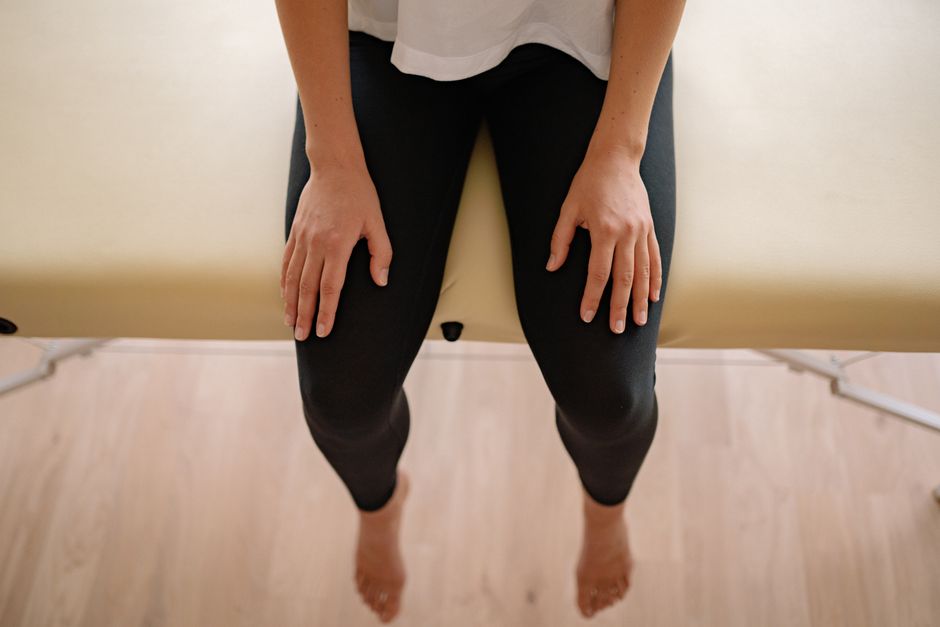
A meniscus tear happens when the cartilage in your knee gets damaged. The cause is usually one of two things: a sudden injury (trauma) or gradual breakdown over time (wear). Trauma tears are common in athletes and active people. Wear-related tears happen more often as people get older, even without a specific injury. Understanding which type you have matters because it changes how you treat it and what you can expect for recovery.
What Is the Meniscus and Why Does It Tear?
The meniscus is a C-shaped piece of cartilage in your knee. You have two in each knee — one on the inner side and one on the outer side. They act as shock absorbers between your thigh bone and shin bone. They also help distribute your body weight evenly across the knee joint.
A tear means the cartilage has split or frayed. This can happen in different ways. A traumatic tear is usually a clean split caused by force. A wear-related tear looks more like frayed edges or a rough surface that has slowly broken down.
Blood supply to the meniscus matters a lot. The outer third of the meniscus has good blood flow. The inner two-thirds do not. Tears in the outer area heal better because blood carries nutrients and repair cells. Tears in the inner area often struggle to heal on their own.
What Causes Meniscus Tears Trauma Vs Wear? Why It Happens
Trauma tears happen from a single event. You twist your knee while your foot stays planted. You squat heavy and feel a pop. You get hit on the side of the knee during sports. These tears are common in younger people, especially those who play soccer, basketball, football, or skiing.
Wear-related tears happen slowly over time. The meniscus gets thinner and weaker as you age. By age 40, some fraying is normal. By age 60, many people have some degree of meniscus damage without knowing it. A simple movement — standing up from a chair, walking down stairs — can cause a tear in a weakened meniscus.
Research published in the Journal of Bone and Joint Surgery found that about 60% of meniscus tears in people over 50 are degenerative. That means they are caused by wear, not injury. In people under 30, the opposite is true — most tears are from trauma.
The table below shows the key differences between trauma and wear tears.
| Feature | Trauma Tear | Wear Tear |
|---|---|---|
| Common age | Under 40 | Over 40 |
| Cause | Single injury | Gradual breakdown |
| Appearance | Clean split | Frayed or rough |
| Healing potential | Better if outer zone | Lower overall |
| Typical treatment | Surgery often needed | Physical therapy first |
How Do You Know If Your Tear Is From Trauma or Wear?
Your doctor will ask about the moment your knee started hurting. If you remember a specific twist, fall, or impact, it points to trauma. If your knee just started hurting one day with no clear cause, wear is more likely.
Age is a strong clue. A 25-year-old who feels a pop during basketball almost certainly has a trauma tear. A 55-year-old with gradual knee pain and no injury history likely has a wear-related tear. But these are not absolute rules. Older adults can have trauma tears too, especially if they stay active.
An MRI is the best way to confirm the type of tear. The images show whether the tear has clean edges (trauma) or looks frayed and irregular (wear). MRI also shows the location of the tear, which helps predict healing. A study from the American Journal of Sports Medicine found that MRI is about 90% accurate at identifying meniscus tears.
Do not rely on symptoms alone. Both types of tear can cause pain, swelling, locking, and trouble bending the knee. The symptoms overlap a lot. Only a doctor with imaging can tell you for sure.




Does the Type of Tear Change Your Treatment Options?
Yes, and the difference matters more than most people realize. Trauma tears in younger patients often need surgery because the torn piece can flip into the joint and block movement. A 2019 study in The New England Journal of Medicine found that young athletes with trauma tears did better with surgery than with physical therapy alone.
Wear-related tears respond well to nonsurgical treatment in most cases. Physical therapy, anti-inflammatory medication, and activity modification work for many people. A study from JAMA followed 350 patients with degenerative meniscus tears. After two years, those who did physical therapy had the same pain relief and function as those who had surgery.
The location of the tear also guides treatment. Tears in the outer third of the meniscus (the red zone) have good blood supply and can heal with rest and time. Tears in the inner two-thirds (the white zone) rarely heal on their own. Surgery for white zone tears usually involves trimming the torn piece rather than repairing it.
Your age, activity level, and overall knee health all factor into the decision. A 70-year-old with arthritis and a wear tear will not get the same advice as a 30-year-old marathon runner with a trauma tear. Treatment is personal, not one-size-fits-all.
What Happens If You Ignore a Meniscus Tear?
Some meniscus tears cause no problems. Many people walk around with tears and never know it. A study from Radiology scanned the knees of 100 people over 50 who had no knee pain. About 35% had meniscus tears on MRI. They were fine.
But ignoring a tear that causes symptoms can lead to bigger problems. A large tear that does not heal can cause the knee to lock or give way. This increases the risk of falling. Over time, a torn meniscus can also lead to arthritis. The meniscus protects the cartilage on the ends of your bones. When it is damaged, more force hits that cartilage, and it wears down faster.
Research in Arthritis & Rheumatology found that people with untreated meniscus tears were 3 times more likely to develop knee arthritis within 5 years compared to people with intact menisci. That does not mean every tear leads to arthritis. But the risk is real, especially for larger tears.
If your knee swells, locks, or feels unstable, do not ignore it. See a doctor. If your knee does not bother you, a tear on MRI is not a reason to panic. Many people live full active lives with meniscus tears.
What Can You Do to Prevent Meniscus Tears?
You cannot stop aging. But you can lower your risk of both trauma and wear tears. Strong leg muscles protect the meniscus. The stronger your quadriceps and hamstrings are, the more stable your knee is. A stable knee is less likely to twist in a way that tears the meniscus.
Good technique matters during sports and exercise. When you squat, keep your knees aligned with your toes. When you pivot or cut, use your whole body, not just your knee. Sudden twisting with a planted foot is the most common cause of trauma tears.
Maintaining a healthy weight reduces wear on the meniscus. Every extra pound of body weight adds about 4 pounds of force across the knee joint. Over years, that extra load wears down the meniscus faster. A study from the Arthritis Foundation found that losing just 10% of body weight reduced knee pain and slowed cartilage damage in people with early arthritis.
Warm up before activity. Cold muscles and tendons do not absorb shock as well. A 5-minute warm-up of light cardio and dynamic stretching prepares your knee for movement. This is not hype. It is basic joint physiology.
Avoid exercises that put extreme stress on the meniscus. Deep squats below parallel, heavy lunges with poor form, and repetitive jumping on hard surfaces all increase risk. You do not need to avoid these movements entirely. But do them with proper form and appropriate load.
Common Misconceptions About Meniscus Tears
One widespread myth is that all meniscus tears need surgery. That is false. The American Academy of Orthopaedic Surgeons states that many tears, especially degenerative ones, can be treated without surgery. Physical therapy is often as effective as surgery for wear-related tears.
Another myth is that a torn meniscus will never heal. Some tears do heal. Tears in the outer third of the meniscus, called the red zone, have blood supply and can heal with proper care. Even some inner zone tears can become stable and stop causing symptoms even if they do not fully close up.
Some people believe that if you have a tear, you should stop all activity. That is not true either. Complete rest can weaken the muscles around the knee and make things worse. Most people with meniscus tears can keep doing low-impact activities like swimming, cycling, and walking. The key is avoiding movements that cause pain or locking.
A final myth is that meniscus tears only happen to athletes. Wear-related tears are very common in non-athletes. By age 70, most people have some degree of meniscus damage. It is a normal part of aging for many, not a sign that you did something wrong.
Frequently Asked Questions
Can a meniscus tear heal without surgery?
Yes, some tears heal without surgery, especially those in the outer third of the meniscus where blood supply is good. Degenerative tears often improve with physical therapy and activity changes.
How long does it take to recover from a meniscus tear?
Recovery varies by tear type and treatment. Nonsurgical recovery can take 4 to 8 weeks. Surgical recovery ranges from 4 weeks for a trim to 4 to 6 months for a repair.
What is the difference between a trauma tear and a wear tear?
A trauma tear comes from a single injury like a twist or fall. A wear tear develops slowly over time as the meniscus weakens with age. Trauma tears are more common in younger people.
Is walking bad for a torn meniscus?
Walking is usually safe if it does not cause pain or locking. Low-impact walking can actually help recovery by keeping the knee joint moving and muscles strong.
