
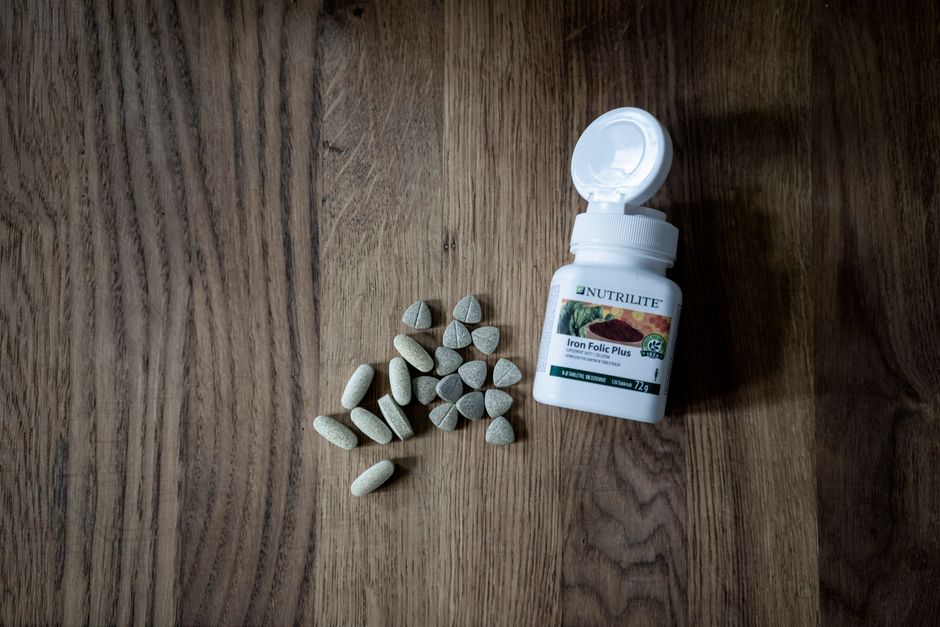
Low iron means your body cannot make enough hemoglobin, the protein in red blood cells that carries oxygen. Without enough oxygen, your cells cannot produce energy properly. This is why the most common symptom of low iron is feeling tired and weak, even after a full night of sleep. Other early signs include pale skin, shortness of breath during normal activities, and feeling cold when others are comfortable.
What Causes Iron Levels to Drop in the First Place?
The most common cause of low iron is blood loss. For women of childbearing age, heavy menstrual periods are the leading reason. The CDC reports that nearly 1 in 5 women in the U.S. have iron levels low enough to qualify as iron deficiency.
Pregnancy is another major cause. A growing fetus and placenta require extra iron, and many women enter pregnancy with low stores already. The American College of Obstetricians and Gynecologists recommends routine iron screening during pregnancy for this reason.
Bleeding in the digestive tract is a less obvious but serious cause. Things like ulcers, colon polyps, or even long-term use of aspirin or ibuprofen can cause small amounts of blood loss over time. Research published in the American Journal of Gastroenterology found that about 5% of adults with unexplained iron deficiency turn out to have celiac disease, which damages the part of the intestine that absorbs iron.
A poor diet alone rarely causes iron deficiency in people who eat meat, but it is common in strict vegetarians and vegans who do not plan their iron intake carefully. The iron from plants, called non-heme iron, is harder for the body to absorb than the heme iron found in meat.
What Are the First Signs That Your Iron Is Low?
Fatigue is usually the first and most noticeable symptom. But it is a specific kind of tiredness. People describe it as a heaviness in their limbs and a feeling that even small tasks require real effort. This is different from the tiredness you feel after a bad night of sleep.
Shortness of breath during activity comes next. Walking up a flight of stairs might leave you winded when it never did before. Your heart may beat faster or feel like it is pounding in your chest as it tries to pump more oxygen to your tissues.
Pale skin is a reliable physical sign. Doctors check the color of your lower eyelids and the inside of your lower lip. If those areas look pale or white instead of pink, iron deficiency is likely. Nail changes can also occur. Some people develop koilonychia, where the nails become thin, brittle, and curve upward like a spoon.
Less well-known symptoms include restless legs syndrome and pica. Restless legs syndrome is a strong urge to move your legs when sitting or lying still. Pica is the craving for non-food items like ice, dirt, or starch. Craving ice is surprisingly common with low iron, and some studies suggest it may be one of the earliest signs.
How Do Doctors Diagnose Low Iron Accurately?
A simple blood test called a complete blood count, or CBC, is the first step. It measures your hemoglobin and hematocrit levels. But a CBC alone can miss early iron deficiency. You can have low iron stores before your hemoglobin drops enough to show up on a CBC.
The more accurate test is serum ferritin. Ferritin measures how much iron your body has stored. A level below 30 ng/mL usually indicates iron deficiency, though some labs use 15 ng/mL as the cutoff. Many experts now argue that ferritin below 50 ng/mL can cause symptoms in some people, even if it is not technically deficient.
Other useful tests include serum iron, total iron binding capacity, and transferrin saturation. Together these tests give a fuller picture. The transferrin saturation percentage tells you how much iron is actually available for your body to use. A saturation below 16% suggests iron deficiency, even if your ferritin looks normal.
One important point: ferritin is also an acute phase reactant. That means it can be falsely elevated if you have an infection, inflammation, or chronic disease. If your ferritin is normal but you still have symptoms, your doctor should check your C-reactive protein to rule out inflammation skewing the result.





What Happens If Low Iron Goes Untreated for Months or Years?
Untreated iron deficiency progresses to iron deficiency anemia. This is when your hemoglobin drops below normal ranges. For women, that is under 12 g/dL. For men, under 13.5 g/dL. Once you reach this stage, symptoms become more severe and more widespread.
Your heart has to work harder to compensate for the low oxygen in your blood. Over time, this can lead to an enlarged heart or heart murmurs. In severe cases, it can trigger heart failure, especially in people who already have heart disease. The Journal of the American College of Cardiology published research showing that iron deficiency independently predicts worse outcomes in heart failure patients, even without anemia.
Your immune system also suffers. Iron is essential for immune cells to fight infections. Studies have found that people with low iron get sick more often and take longer to recover. This is particularly concerning for older adults and people with chronic illnesses.
Cognitive effects are real and underappreciated. Low iron reduces the brain’s ability to produce neurotransmitters like dopamine and serotonin. This contributes to brain fog, poor concentration, and difficulty with memory. Some research has even linked chronic iron deficiency in adults to a higher risk of depression.
In pregnant women, untreated iron deficiency carries serious risks. It increases the chance of preterm birth, low birth weight, and postpartum depression. The World Health Organization estimates that iron deficiency contributes to roughly 20% of maternal deaths worldwide.
What Is the Best Way to Raise Your Iron Levels?
Dietary changes help, but they work slowly. Heme iron from red meat, poultry, and fish is absorbed much better than plant-based iron. A 3-ounce serving of beef provides about 2-3 mg of heme iron, and your body absorbs about 25% of it. Compare that to spinach, which has about 3 mg of non-heme iron per cup, but your body only absorbs about 2% of it.
If you rely on plant sources, you can boost absorption by eating them with vitamin C. Adding lemon juice to spinach or eating bell peppers with beans can increase non-heme iron absorption by up to six times. Avoid drinking tea or coffee with meals. The tannins in both can reduce iron absorption by as much as 60%.
| Iron Source | Iron Content (mg) | Typical Absorption Rate |
|---|---|---|
| Beef liver (3 oz) | 5-6 mg | 25% |
| Chicken breast (3 oz) | 1-2 mg | 20% |
| Cooked spinach (1 cup) | 6-7 mg | 2-5% |
| Lentils (1 cup cooked) | 6-7 mg | 2-5% |
| Fortified cereal (1 serving) | 4-18 mg | Variable |
Oral iron supplements are the standard treatment for confirmed deficiency. The most common form is ferrous sulfate. A typical dose is 65 mg of elemental iron once daily. Taking it every other day may actually work better than daily dosing. Research in the journal Blood showed that daily dosing triggers a rise in hepcidin, a hormone that blocks iron absorption, while every-other-day dosing keeps absorption higher.
Side effects from supplements include constipation, nausea, and dark stools. Taking iron with a small amount of food can reduce stomach upset, but avoid taking it with calcium-rich foods or antacids. Calcium interferes with iron absorption. Vitamin C can help, so taking your iron with a glass of orange juice is a practical strategy.
For people who cannot tolerate oral iron or need faster results, intravenous iron is an option. IV iron is commonly used in late pregnancy, chronic kidney disease, and inflammatory bowel disease. It raises iron levels much faster than oral supplements, usually within a few weeks.
What Should You Avoid When Trying to Raise Iron?
Do not take iron supplements without a confirmed diagnosis. Excess iron is toxic. Your body has no efficient way to get rid of extra iron, and it accumulates in organs like the liver, heart, and pancreas. This condition, called hemochromatosis, can cause serious damage over time. The CDC estimates that about 1 in 200 people of Northern European descent carry the genetic mutation for hemochromatosis, and they are at real risk from unnecessary iron supplements.
Do not take high-dose iron supplements without medical supervision. More than 45 mg of elemental iron per day is rarely needed and increases the risk of side effects. Taking more does not mean absorbing more. Your body has a ceiling on how much iron it can absorb at once.
Do not rely on “iron-fortified” foods alone if you have a real deficiency. Cereals and breads with added iron contain non-heme iron, which is poorly absorbed. They are fine for prevention but not adequate for treatment of established deficiency.
Do not ignore the cause of your low iron. If you are losing blood from an ulcer or colon polyp, supplements alone will not fix the problem. Finding and stopping the source of blood loss is the real priority. This is why any unexplained iron deficiency in men or postmenopausal women requires a colonoscopy to rule out colon cancer.
Common Misconceptions About Low Iron
A common myth is that feeling tired always means low iron. Fatigue has many causes, including thyroid problems, sleep apnea, depression, and vitamin D deficiency. Iron deficiency is just one possibility, and assuming it is the cause can delay diagnosis of other treatable conditions.
Another misconception is that you can feel when your iron is low. Many people with mild to moderate iron deficiency have no symptoms at all. They only discover it during routine blood work. This is why regular screening is important, especially for women of childbearing age and older adults.
Some people believe that eating spinach is enough to fix low iron. Popeye was wrong. As the table above shows, the iron in spinach is poorly absorbed. You would need to eat several pounds of spinach daily to get the same amount of usable iron as a small serving of beef liver. Spinach is healthy for many reasons, but it is not a reliable treatment for iron deficiency.
There is also a widespread belief that iron supplements work instantly. They do not. It typically takes three to six weeks of consistent supplementation to see your hemoglobin levels rise. Full restoration of iron stores can take three to six months. Feeling better usually happens gradually, not overnight.
Frequently Asked Questions
Can low iron cause hair loss?
Yes, iron deficiency can trigger hair thinning or shedding because iron is needed for hair follicle cell production. This is usually reversible once iron levels return to normal.
How long does it take to recover from low iron?
Most people start feeling better within two to four weeks of starting supplements, but it takes three to six months to fully restore iron stores. Continue taking supplements as long as your doctor recommends.
Is it safe to take iron supplements every day?
Yes, for most people with confirmed deficiency, but taking them every other day may improve absorption and reduce side effects. Do not take iron supplements without a blood test confirming you need them.
Can low iron affect your mood?
Yes, low iron can cause irritability, anxiety, and depression because it reduces the brain’s ability to produce mood-regulating neurotransmitters. Improving iron levels often improves mood within a few weeks.
