
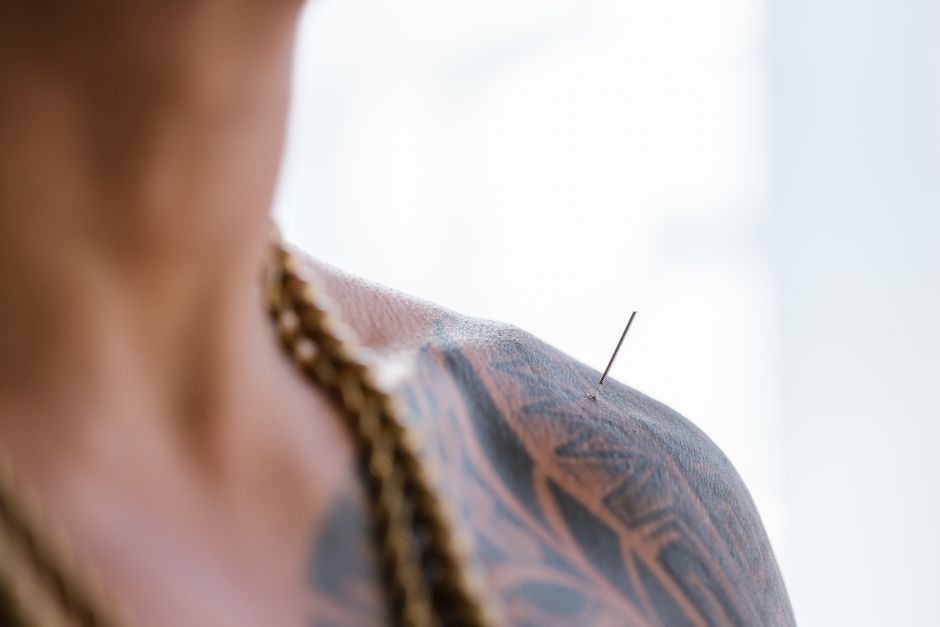
Piercing needles are hollow for one main reason: to create a clean channel for the jewelry to pass through the tissue in a single motion. The hollow design acts like a tiny straw, allowing the sharp tip to cut a precise hole while the jewelry is pushed in behind it. This method reduces tissue trauma compared to other techniques, which is why professional piercers use them almost exclusively.
Why Are Piercing Needles Hollow Instead of Solid?
A solid needle, like the kind used for drawing blood or giving shots, pushes tissue aside as it passes through. That works fine for a quick injection, but it is not ideal for piercing. The tissue is elastic and tends to close back around the needle, making it difficult to insert jewelry without forcing it.
A hollow needle removes a small core of tissue as it goes through. This creates a visible channel that stays open long enough for the jewelry to follow directly behind the needle tip. The cut is clean and the path is clear, which means less pushing, less tearing, and less trauma to the surrounding skin.
The hollow tip is also what allows the piercer to thread the jewelry onto the back of the needle. Once the needle exits the skin, the piercer inserts the jewelry into the hollow end and pulls it back through the channel. The jewelry never has to force its way through — it simply follows the path the needle already made.
How Does a Hollow Piercing Needle Work Step by Step?
The process is straightforward once you understand the anatomy of the needle. A piercing needle has three key parts: the sharp hollow tip, the shaft, and the hub at the back where the jewelry attaches.
Here is how the procedure works in practice:
- The piercer marks the entry and exit points on the skin.
- The hollow needle is placed at the entry point at the correct angle.
- The needle is pushed through the tissue in one smooth motion.
- The hollow tip exits the skin on the opposite side.
- The jewelry is inserted into the hollow back of the needle.
- The needle is pulled back through, drawing the jewelry into place.
The entire process takes seconds, but the design of the needle is what makes it possible. The sharp hollow tip cuts cleanly, and the shaft is slightly larger than the jewelry, ensuring the channel stays open long enough for the jewelry to pass through.
Most piercing needles are made from surgical-grade stainless steel. They are single-use and come pre-sterilized in sealed packaging. Reusing a piercing needle is never acceptable — it is a biohazard risk and also dulls the tip, which increases tissue damage.
What Gauge Sizes Do Piercing Needles Come In?
Piercing needles come in a range of gauges, and the number system can be confusing at first. The gauge number is inversely related to the thickness — a lower number means a thicker needle. For example, a 14-gauge needle is thicker than an 18-gauge needle.
Common sizes and their typical uses include:
- 18 gauge — used for ear piercings and some facial piercings
- 16 gauge — common for nose, navel, and nipple piercings
- 14 gauge — standard for most body piercings including tongue and industrial piercings
- 12 gauge — used for larger piercings or stretched piercings
- 10 gauge — reserved for large gauge piercings and initial stretches
The jewelry used for the initial piercing should match the gauge of the needle. If the jewelry is smaller than the needle, the channel may shrink and make future jewelry changes difficult. If the jewelry is larger, it will be forced through the tissue and cause unnecessary trauma.
Professional piercers match the needle gauge to the jewelry gauge precisely. This is one reason why self-piercing with safety pins or earring guns is not recommended — those methods do not allow for precise gauge matching and cause more tissue damage.





Why Do Piercers Avoid Piercing Guns?
Piercing guns are commonly found in mall kiosks and jewelry stores, but professional piercers do not use them. The reasons are practical and medical. A piercing gun forces a blunt stud through the tissue, which causes more trauma than a hollow needle. The stud is not sharp, so it pushes tissue aside rather than cutting it cleanly.
Piercing guns also cannot be fully sterilized. The plastic components can be damaged by autoclave heat, and blood and tissue particles can remain in the mechanism between uses. This creates a risk of cross-contamination between customers, which is a serious concern for bloodborne pathogens.
Guns also do not allow for precise angle control. The jewelry is attached to the gun, so the angle of the piercing is determined by how the gun is held. A slight tilt can result in a crooked piercing that is difficult to heal or prone to migration.
The hollow needle method is considered the standard of care in professional piercing. It is cleaner, more precise, and less traumatic to the tissue. If a piercer offers a gun as an option, that is a red flag and a sign to find a different studio.
What Are the Risks of Hollow Needle Piercing?
Even with a professional piercer and a sterile needle, piercing carries risks. Infection is the most common concern. The piercing site is an open wound, and bacteria can enter if the area is not kept clean during the healing period.
Bleeding is normal during the piercing itself, but prolonged bleeding is not. A small amount of blood is expected, and the piercer will apply pressure to stop it. If bleeding continues heavily, that is a reason to seek medical attention.
Allergic reactions to jewelry metal are possible. Nickel is a common allergen, and many inexpensive jewelry pieces contain nickel. Surgical-grade stainless steel, titanium, and niobium are less likely to cause reactions, but no metal is completely allergen-free for everyone.
Keloid scarring is another risk. Some people are genetically prone to developing raised scars at the piercing site. This is not caused by the needle itself but by how the individual’s body heals. If you have a history of keloids, discuss this with your piercer before getting pierced.
Nerve damage is rare but possible. Piercings near nerves, such as tongue piercings, carry a small risk of temporary or permanent numbness. A skilled piercer knows the anatomy and avoids major nerve pathways, but no procedure is entirely without risk.
How Long Does a Piercing Take to Heal?
Healing times vary significantly by location. Earlobe piercings typically heal in 6 to 8 weeks. Cartilage piercings, such as helix or tragus piercings, can take 4 to 12 months. Nose piercings usually heal in 2 to 4 months, while navel piercings can take 6 months to a year.
Tongue piercings heal relatively quickly, often within 4 to 6 weeks. However, the mouth contains many bacteria, so oral piercings require diligent aftercare to prevent infection.
Healing time is not a guarantee. Individual factors like overall health, immune function, and how well you follow aftercare instructions all play a role. Smokers tend to heal more slowly because nicotine constricts blood vessels and reduces blood flow to the wound.
During the healing period, the jewelry should not be removed or changed. The channel is still forming, and removing the jewelry can cause the hole to close or become irritated. Only a piercer should change jewelry during the healing phase, and only if medically necessary.
What Should You Look for in a Professional Piercer?
Choosing the right piercer is the most important decision you will make. A professional piercer works in a clean studio, uses single-use sterile needles, and wears gloves throughout the procedure. They should be willing to walk you through the process and answer questions before you commit.
Ask about their training and experience. Many piercers complete apprenticeships under experienced professionals. Membership in professional piercing organizations can also indicate a commitment to safety standards, though it is not a guarantee of skill.
The studio itself should have an autoclave for sterilizing tools. Watch how they handle equipment. Needles should come from sealed sterile packaging, and jewelry should be sterilized before insertion. If anything looks rushed or unhygienic, leave.
Do not be afraid to ask about aftercare. A good piercer will provide clear written instructions and be available for follow-up questions. They should also tell you what signs of infection to watch for, such as increasing pain, redness, swelling, or discharge.
Does a Hollow Needle Hurt More Than a Piercing Gun?
Pain is subjective, but most people report that hollow needle piercings hurt less than gun piercings. The needle cuts cleanly, while the gun forces tissue apart. The sensation is different — a sharp pinch rather than a dull pressure.
The speed of the procedure also matters. A hollow needle piercing takes seconds. The pain is brief and localized. With a gun, the jewelry is often inserted with a second press, which means two moments of pain instead of one.
Numbing creams are used by some piercers, though their effectiveness varies. The cream needs time to absorb into the skin to work, and it may not penetrate deeply enough to numb the full thickness of the tissue. Some piercers offer them, while others do not. It is worth asking about options before your appointment.
Everyone experiences pain differently. What feels like a quick pinch to one person may feel more intense to another. The important thing is that the hollow needle method is the safest and most precise technique available, regardless of how it feels in the moment.
Frequently Asked Questions
Can a hollow piercing needle be reused?
No. Piercing needles are single-use only and must be disposed of after one piercing. Reusing a needle risks infection and disease transmission, and a dull needle causes more tissue damage.
Is a hollow needle better than a piercing gun?
Yes. Hollow needles cut cleanly, cause less tissue trauma, and can be fully sterilized. Piercing guns cannot be properly sterilized and force jewelry through the tissue bluntly.
What gauge needle is used for a first ear piercing?
Most professional piercers use an 18-gauge needle for standard earlobe piercings. The gauge may vary based on the jewelry you choose and the piercer’s assessment of your anatomy.
How do piercers put jewelry in a hollow needle?
The piercer inserts the jewelry into the hollow back end of the needle after the needle exits the skin. They then pull the needle back through, which draws the jewelry into the piercing channel.
