
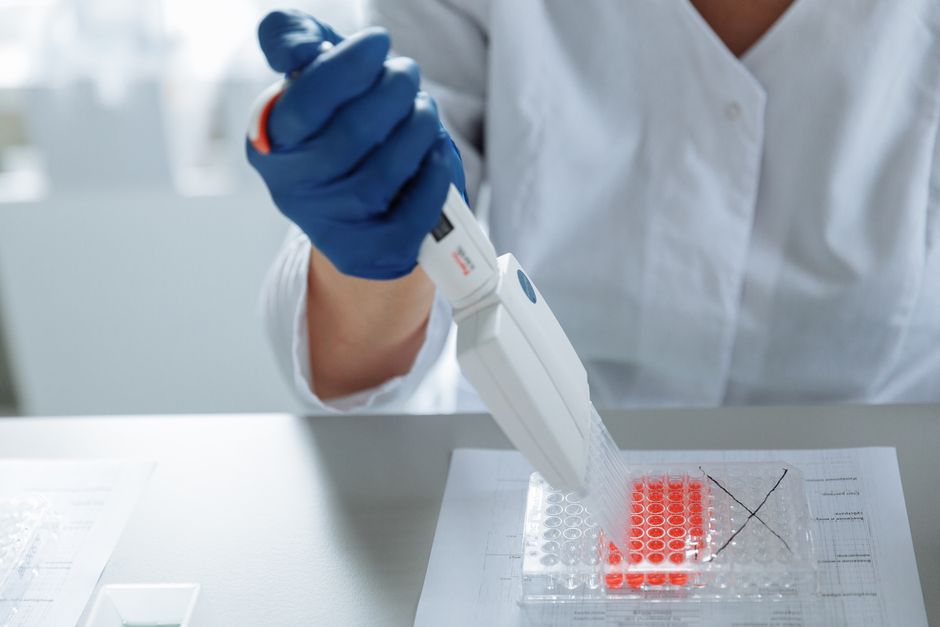
Haematopoietic stem cells are the master cells that build and replenish your entire blood system. They live mostly in your bone marrow, where they divide to produce every red blood cell, white blood cell, and platelet your body needs. Without them, you cannot make blood, and without blood, no organ in your body can function.
These cells are also the reason bone marrow transplants work. When doctors replace a person’s blood-forming system after leukemia or another serious blood disorder, haematopoietic stem cells are what they are replacing. Understanding how they work explains a lot about how the body maintains itself and why certain diseases and treatments affect blood so deeply.
What Are Haematopoietic Stem Cells And How Do They Work?
Haematopoietic stem cells are a small population of immature cells found primarily in bone marrow. They have two defining abilities. They can divide to make more of themselves, which is called self-renewal, and they can mature into any type of blood cell.
That second ability is called multipotency. A single haematopoietic stem cell can give rise to red blood cells that carry oxygen, white blood cells that fight infection, and platelets that help blood clot. This process is called haematopoiesis, and it happens continuously throughout your life.
Your bone marrow produces billions of blood cells every day. Red blood cells live about 120 days. Some white blood cells live only hours. Platelets circulate for roughly 8 to 10 days. Because blood cells are constantly dying and being replaced, the stem cell supply has to keep working without pause.
The system is tightly controlled. Chemical signals called growth factors tell stem cells when to divide and what to become. Erythropoietin, for example, is a hormone made mainly by the kidneys that signals the bone marrow to make more red blood cells when oxygen levels drop. Granulocyte colony-stimulating factor, or G-CSF, drives white blood cell production and is also used medically to move stem cells out of bone marrow and into the bloodstream for donation.
When this signaling goes wrong, disease follows. Too few blood cells leads to anemia, infection risk, or bleeding problems. Too many, or cells that grow without control, can lead to leukemia and other blood cancers.
Where Do Haematopoietic Stem Cells Come From?
In adults, the main source is bone marrow. The largest concentrations are in the pelvis, sternum, ribs, and vertebrae. These areas stay active throughout life, while marrow in the long bones of the arms and legs becomes less productive with age.
Haematopoietic stem cells also circulate in the bloodstream, but in very small numbers under normal conditions. A small number are present in umbilical cord blood at birth. Cord blood is collected after delivery and can be stored for future use, either privately or in public banks.
There is a common misunderstanding worth clearing up. Stem cells in cord blood are not the same as embryonic stem cells. Cord blood stem cells are haematopoietic stem cells, already committed to forming blood. Embryonic stem cells come from early-stage embryos and can form any tissue in the body. They are different cell types with different biology and different ethical and legal frameworks.
Bone marrow remains the richest and most reliable source for transplant. Peripheral blood, after treatment to mobilize stem cells into circulation, is now the most common source for adult donations. Cord blood is used mainly in children and in situations where a matched adult donor is not available.
What Medical Treatments Use Haematopoietic Stem Cells?
Haematopoietic stem cell transplantation is an established treatment for several serious blood disorders. It is not experimental for these conditions. It has been used clinically for decades.
The procedure works in two broad ways. In an autologous transplant, a patient’s own stem cells are collected, stored, and given back after high-dose chemotherapy or radiation. This is common in multiple myeloma and certain lymphomas. In an allogeneic transplant, stem cells come from a donor. This is used when the patient’s own stem cells are diseased or when the new immune system is expected to help fight the disease, as in some leukemias.
Conditions where transplantation is well established include:
- Acute myeloid leukemia and acute lymphoblastic leukemia
- Chronic myeloid leukemia
- Hodgkin and non-Hodgkin lymphoma
- Multiple myeloma
- Aplastic anemia
- Severe combined immunodeficiency and certain other inherited immune disorders
- Thalassemia major and sickle cell disease in selected patients
Transplantation carries real risks. Graft-versus-host disease, where donor immune cells attack the patient’s tissues, is a serious complication of allogeneic transplants. Infection risk is high during the period before the new stem cells engraft and start producing immune cells. Doctors manage these risks with immune-suppressing medications and close monitoring, but outcomes vary widely depending on the disease, the patient’s age, and how well the donor match is.
Stem cell therapy is also heavily marketed for conditions where evidence does not support it. Clinics in some countries offer stem cell injections for arthritis, autism, multiple sclerosis, and other conditions. No large controlled human trials have confirmed benefit for most of these uses. Some of these procedures carry serious risks, including infection and tumor formation. The distinction between established transplant medicine and unproven commercial stem cell claims is important.





How Are Stem Cells Collected and Donated?
There are two main ways to collect haematopoietic stem cells from a donor.
The first is peripheral blood stem cell collection. The donor receives injections of G-CSF for several days before the procedure. This moves stem cells from bone marrow into the bloodstream. Blood is then drawn, filtered through a machine that separates the stem cells, and returned to the donor. This now accounts for most adult donations.
The second is a bone marrow harvest. This is done under anesthesia. A needle is used to draw marrow from the back of the pelvic bone. The procedure takes about an hour, and donors typically go home the same day.
Donating stem cells is not the same as donating a kidney or part of a liver. The body replaces the donated cells within weeks. Side effects from G-CSF injections can include bone pain, headache, and fatigue. These usually resolve after collection ends.
Matching matters. Doctors compare human leukocyte antigen markers between donor and patient. A close match reduces the risk of rejection and graft-versus-host disease. Siblings have the best chance of matching, but most patients do not have a matched sibling. Registries like Be The Match in the US connect patients with unrelated donors.
What Happens When Haematopoietic Stem Cells Go Wrong?
Diseases of the blood-forming system fall into two broad categories. In the first, stem cells fail to produce enough mature blood cells. In the second, they produce too many, or produce cells that do not work properly.
Aplastic anemia is an example of the first. The bone marrow stops making enough blood cells. It can be caused by autoimmune attack, certain drugs, toxins, or radiation. Some cases have no clear cause.
Myelodysplastic syndromes are another. The bone marrow makes blood cells, but they are abnormal and die early. This leads to low blood counts and, in some cases, progression to acute leukemia.
Leukemias are the clearest example of the second category. A stem cell or early blood precursor acquires genetic changes that cause it to grow without normal controls. The abnormal cells crowd out healthy ones. Symptoms can include fatigue, frequent infections, easy bruising, and bone pain.
Inherited conditions can also affect haematopoietic stem cells. In sickle cell disease, a mutation in the hemoglobin gene causes red blood cells to become misshapen. In thalassemia, the body makes less hemoglobin than normal. Both conditions can be treated with stem cell transplantation in selected patients. Gene therapy approaches that modify a patient’s own stem cells are also an active area of research, and some have received regulatory approval in recent years for specific conditions.
How Is Stem Cell Research Changing Treatment?
Research is moving in several directions. One is expanding the use of gene-modified stem cells. In this approach, a patient’s own haematopoietic stem cells are collected, corrected in the laboratory, and returned. This avoids the need for a donor and reduces the risk of graft-versus-host disease.
Another is making transplantation safer and more available. Cord blood expansion techniques aim to increase the number of usable stem cells from a single cord unit, which could make cord blood transplants available to more adults. Haploidentical transplantation, using a half-matched donor such as a parent or child, has become more common and has widened access to transplant for patients without a fully matched donor.
What has not changed is the standard for evidence. A treatment is not established because it makes biological sense. It becomes established when controlled trials show it helps patients. That standard is why haematopoietic stem cell transplantation is accepted for leukemia and aplastic anemia, and why it remains unproven for many of the conditions advertised by private clinics.
Frequently Asked Questions
What are haematopoietic stem cells in simple terms?
They are immature cells in your bone marrow that can turn into any type of blood cell. They also copy themselves so your body never runs out.
How do haematopoietic stem cells know what type of blood cell to become?
Chemical signals called growth factors tell them which way to mature. For example, erythropoietin signals the bone marrow to make more red blood cells when oxygen levels drop.
Are haematopoietic stem cells the same as embryonic stem cells?
No. Haematopoietic stem cells are already committed to forming blood cells, while embryonic stem cells can form any tissue in the body. They are different cell types with different biology.
Can you donate haematopoietic stem cells more than once?
Yes. The body replaces donated stem cells within weeks, so repeat donation is possible. Most registries allow donors to donate again if they are still eligible.
