
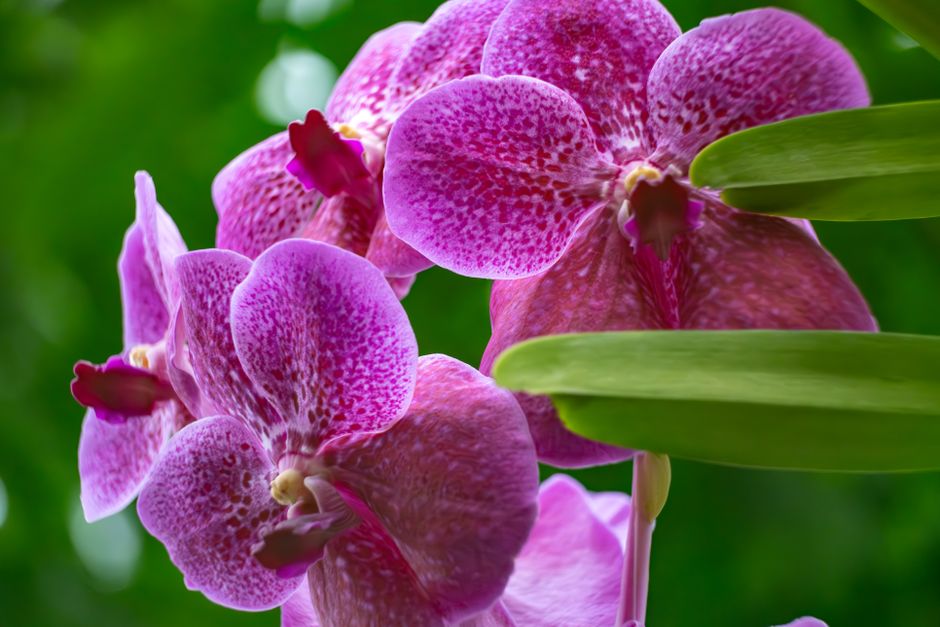
Soft, limp orchid leaves are a clear signal that something is off with your plant’s roots or its environment. The most common cause is overwatering, which leads to root rot and prevents the plant from taking up water. Fixing the problem means removing the damaged roots, repotting in fresh medium, and adjusting your watering habits so the roots can recover.
What Causes Orchid Leaves to Turn Soft?
Orchid leaves feel firm because they are full of water. The cells inside the leaf hold water under pressure, which is called turgor pressure. When that pressure drops, the leaf goes limp and feels soft or rubbery.
This happens for one of two main reasons. Either the roots cannot take up water, or the plant is losing water faster than it can replace it. Both situations lead to the same visible result: a soft, wrinkled, or drooping leaf.
The most frequent culprit is overwatering. It sounds backwards, but too much water drowns the roots. Orchid roots need air. When they sit in soggy potting mix, they suffocate and begin to rot. Rotted roots cannot deliver water to the leaves, even though the pot is wet.
Underwatering is the second common cause. If the roots have been dry for too long, they desiccate and die. Dead roots cannot absorb water either. The leaf softens even though the plant is thirsty.
How to Tell If Overwatering or Underwatering Is the Problem
Check the roots first. This is the most reliable way to know what went wrong. Gently remove the orchid from its pot and inspect the root system.
Healthy orchid roots are firm and plump. When wet, they look green or silver. When dry, they look white or pale gray. Rotten roots are brown or black, mushy, and often smell bad. They may collapse when you squeeze them gently.
If you see mushy brown roots, overwatering caused the problem. If the roots are dry, brittle, and shriveled, underwatering is the likely cause.
Another clue is the potting medium. If it is soggy, dark, and breaking down, it has been holding too much moisture for too long. If it is bone dry and pulls away from the sides of the pot, the plant has not been getting enough water.
How to Fix Soft Orchid Leaves from Overwatering
Act quickly. The longer rotted roots sit in wet medium, the more damage spreads. Start by removing the orchid from its pot and shaking off as much old potting mix as you can.
Rinse the roots with room-temperature water. This makes it easier to see which roots are healthy and which are not. Then use sterilized scissors or pruning shears to cut away every soft, brown, or black root. Cut only the damaged tissue. Leave firm, plump roots alone.
After trimming, treat the cut areas. Some growers dust the cuts with cinnamon powder, which has mild antifungal properties. Others use a commercial fungicide. This step is optional but can help prevent infection from entering the fresh cuts.
Repot the orchid in a clean pot with fresh potting medium. Use a mix made specifically for orchids, such as bark chips, sphagnum moss, or a blend. These materials drain quickly and allow air to reach the roots.
Do not water immediately after repotting. Wait about five to seven days. This gives the cut roots time to callus over and reduces the risk of rot entering the wounds.





How to Fix Soft Orchid Leaves from Underwatering
Underwatered orchids need a different approach. If the roots are still alive but dry, you can often revive them with a good soak.
Remove the orchid from its pot and inspect the roots. If they are shriveled but still firm and white or green, they can recover. Fill a bowl with room-temperature water and soak the roots for 10 to 15 minutes. Do not soak longer than that. Extended soaking can damage the roots.
After soaking, repot the orchid in fresh medium if the old mix is broken down or repels water. Old bark can become hydrophobic, meaning it stops absorbing water and lets it run straight through the pot.
Water your orchid properly going forward. The best method is to run lukewarm water through the pot until it drains out the bottom. Let the pot drain completely. Never let the orchid sit in standing water.
Can Soft Orchid Leaves Recover?
Yes, in most cases. The leaves themselves rarely recover their original firmness. A leaf that has gone soft will often stay somewhat wrinkled or leathery, even after the plant is healthy again.
What matters is new growth. Once the roots recover and the plant starts taking up water normally, the new leaves will grow in firm and healthy. The old soft leaves may remain wrinkled, but that does not mean the plant is still in trouble.
Recovery time varies. Some orchids show improvement within a few weeks. Others take several months to produce new roots and new leaves. Patience is part of orchid care.
If the crown of the plant is soft or brown, the outlook is worse. Crown rot happens when water sits in the center of the plant where leaves meet. This can kill the orchid. If only the crown is affected, the plant may still survive if it has healthy roots and can produce a new growth called a keiki, or baby plant.
How Often Should You Water an Orchid?
There is no single schedule that works for every orchid. The right frequency depends on your pot size, potting medium, humidity, temperature, and air circulation.
A general rule is to water once every seven to ten days. But you should check the medium before watering. Stick your finger about an inch into the potting mix. If it feels dry, water. If it feels damp, wait.
Phalaenopsis orchids, the most common type sold in stores, prefer to dry out almost completely between waterings. They do not like to stay wet. Other types, like Paphiopedilums, prefer to stay slightly moist. Know your orchid type and adjust accordingly.
Using a clear pot helps. Many orchid growers use clear plastic pots so they can see the roots. When the roots look silvery gray, the orchid needs water. When they look green, the plant has enough moisture.
Other Reasons Orchid Leaves Go Soft
Root problems are the most common cause, but not the only one. Consider these possibilities if your roots look healthy and your watering routine seems fine.
Heat stress can cause leaves to soften. Orchids exposed to direct afternoon sun or sitting near a heating vent can lose water faster than their roots can replace it. Move the plant to a spot with bright, indirect light.
Low humidity is another factor. Most house orchids come from tropical environments with high humidity. If your home is very dry, especially in winter, the leaves may lose moisture. A humidity tray or a small humidifier near the plant can help.
Root-bound plants can also struggle. When an orchid has outgrown its pot, the roots have no room to spread and may not absorb water efficiently. Repotting into a slightly larger pot every one to two years prevents this.
Disease and pests are less common but possible. Bacterial and fungal infections can cause leaf softness, often accompanied by dark spots or a foul smell. If you see these signs, isolate the plant and treat it with an appropriate fungicide or bactericide.
Preventing Soft Leaves in the Future
Prevention comes down to matching your care to your orchid’s needs. The most important habit is checking the roots and medium before watering, rather than watering on a fixed schedule.
Use the right potting mix. Orchids need a chunky, airy medium that drains quickly. Regular potting soil will suffocate the roots and cause rot.
Provide bright, indirect light. A north or east-facing window is often ideal. Avoid direct midday sun, which can scorch leaves and cause heat stress.
Keep the orchid in a spot with good air movement. A gentle fan or an open window helps prevent stagnant air, which encourages fungal growth.
Fertilize lightly. Use a balanced orchid fertilizer at half strength every two to four weeks during the growing season. Overfertilizing can burn the roots and cause leaf damage.
Frequently Asked Questions
Can soft orchid leaves become firm again?
No, a leaf that has gone soft usually stays wrinkled or leathery. New leaves that grow after the roots recover will be firm and healthy.
Should I cut off soft orchid leaves?
No, leave them on the plant. Soft leaves still photosynthesize and provide energy. Only remove leaves that are fully brown, mushy, or infected.
How long does it take for an orchid to recover from root rot?
Most orchids show new root growth within four to eight weeks after repotting. Full recovery can take several months.
Can I save an orchid with no roots?
Yes, sometimes. Place the orchid in a humid environment with bright, indirect light and keep the base slightly moist. New roots can emerge over several weeks to months.
