
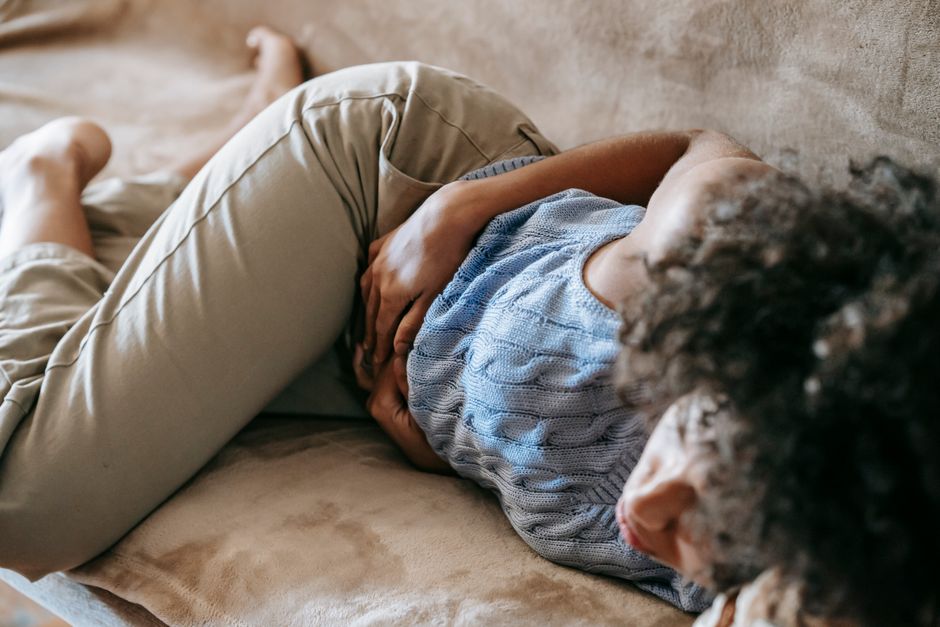
Does working out help with menstrual cramps? Yes, for many people it does. Physical activity is one of the few non-drug approaches with real research behind it for period pain. It won’t erase cramps for everyone, and it isn’t a replacement for medical care when pain is severe. But the evidence supports it as a practical tool, not a folk remedy.
Does Working Out Help With Menstrual Cramps?
Exercise can reduce the intensity of menstrual cramps for many people, and the effect shows up across several studies. The research isn’t perfectly uniform. Some trials find clear pain relief, others find modest changes, and study designs vary a lot. Still, the overall direction is consistent enough that exercise is widely recommended as a first-line self-care option.
What makes this interesting is that exercise helps through more than one route at once. It’s not a single switch. It’s a combination of effects on blood flow, hormones, and pain signaling that together tend to take the edge off cramping.
One clarification worth making: exercise is not a treatment that works the same way for everyone. Someone with mild cramps may notice a real difference. Someone with endometriosis or another condition causing severe pain may find exercise helps a little or not at all. That doesn’t mean it failed. It means the cause of the pain matters.
What Actually Causes Menstrual Cramps?
Menstrual cramps, called dysmenorrhea in medical terms, come mostly from prostaglandins. These are hormone-like compounds the uterus releases around the start of a period. High levels of prostaglandins make the uterine muscle contract hard and repeatedly. Those contractions reduce blood flow to the muscle, and the temporary oxygen shortage is what produces the ache and tightening people feel.
This is why the pain is usually cramping rather than sharp or stabbing. It’s a muscle working too hard under conditions it doesn’t like.
There are two broad categories doctors use:
- Primary dysmenorrhea — cramping caused by normal prostaglandin activity, with no underlying disease. This is the most common type and usually starts soon after a person begins menstruating.
- Secondary dysmenorrhea — pain caused by a condition such as endometriosis, fibroids, or adenomyosis. It often starts later in life, lasts longer than typical cramps, and may not respond well to standard measures.
The distinction matters because exercise tends to help primary cramps more reliably. Secondary causes often need specific medical evaluation and treatment. Pain that is severe, worsening over time, or accompanied by other symptoms deserves a doctor’s attention rather than more workouts.
How Does Exercise Reduce Period Pain?
Exercise appears to lower period pain through several overlapping mechanisms. None of these is fully proven on its own, but together they form a reasonable explanation for what studies observe.
The most cited mechanism involves beta-endorphins. These are naturally produced chemicals that act on the same receptors as opioid pain medications. Moderate physical activity raises endorphin levels, which can dull pain perception. This is one reason exercise is sometimes described as producing a natural high, though the effect is modest and variable.
Improved blood flow is another factor. Regular activity supports circulation, including to the pelvic region. Better blood flow may reduce the oxygen shortfall in the uterine muscle that contributes to cramping.
Exercise also affects prostaglandin balance over time. People who are regularly active tend to have lower baseline inflammation, and some research suggests this may translate into less intense prostaglandin-driven cramping.
Finally, there’s a nervous system angle. Physical activity influences pain signaling pathways and stress hormones. Since stress and pain tend to amplify each other, reducing stress can make cramps feel less overwhelming.
It’s worth being honest here: researchers haven’t pinned down exactly how much each mechanism contributes. The clinical benefit is better established than the precise biology behind it.





What Kind of Exercise Helps Most?
Aerobic activity has the strongest evidence base for menstrual pain. That means sustained movement that raises your heart rate — walking briskly, jogging, cycling, swimming, or using an elliptical. The research on aerobic exercise and period pain is more developed than the research on other forms.
That said, the best exercise is usually the one a person will actually do consistently. Studies generally find that regular activity over weeks or months matters more than any single session. A one-time workout during a bad cramp may help temporarily, but the bigger benefit comes from being active across the cycle.
Some options that show up in research and clinical practice:
- Brisk walking or light jogging
- Cycling, stationary or outdoor
- Swimming
- Yoga, which some studies suggest may help with both pain and associated stress
- Light strength training
Gentle movement during the period itself is generally fine and often helpful. There’s no physiological reason to avoid activity while menstruating unless a doctor has advised otherwise for a specific condition. Some people find intense workouts harder during their period, and that’s a comfort issue, not a safety one for most healthy adults.
Does Exercise Work as Well as Pain Medication?
Probably not for everyone, and the evidence here is genuinely mixed. Nonsteroidal anti-inflammatory drugs (NSAIDs) like ibuprofen work by directly blocking prostaglandin production, which targets the root cause of primary cramps. That mechanism is well established, and NSAIDs are considered highly effective for many people.
Exercise works through different, more indirect pathways. Some studies compare exercise to medication or to heat therapy and find comparable pain relief in certain groups. Other studies find medication more effective. The honest summary is that exercise is a useful addition, not a guaranteed substitute.
Many clinicians suggest combining approaches — regular activity, over-the-counter pain relief when needed, and heat applied to the lower abdomen. Heat has reasonably good evidence for cramp relief and is low risk. Together these strategies often work better than any one alone.
Anyone who needs pain medication frequently, or who finds standard doses don’t help, should talk to a doctor. That pattern can point to secondary dysmenorrhea, which needs a different approach.
How Long Before Exercise Helps With Cramps?
Some people notice relief within a single session. The endorphin and blood flow effects can kick in during or shortly after activity. That’s the short-term benefit.
The longer-term benefit — the kind that may reduce how bad cramps get month to month — seems to build over weeks of consistent activity. Research studies typically look at exercise programs lasting several weeks to a few months before measuring pain changes. So if a first workout doesn’t transform your period, that’s not a sign it won’t help over time.
There’s no universal timeline. Bodies respond differently, and the underlying cause of cramps affects how much exercise can do. It’s reasonable to give regular activity a couple of months before deciding whether it’s making a meaningful difference for you.
When Should You See a Doctor About Period Pain?
Exercise is a reasonable first step for typical cramps. It is not a solution for pain that signals something else. Certain patterns warrant medical evaluation rather than more self-care.
Talk to a healthcare provider if:
- Pain is severe enough to interfere with school, work, or daily life most months
- Cramps are getting worse over time rather than staying stable
- Pain starts later in life rather than soon after menstruation began
- Bleeding is very heavy, or periods last unusually long
- Pain occurs outside of your period, or during sex
- Standard pain relief and exercise don’t help
These signs can point to conditions like endometriosis, fibroids, or adenomyosis. Those aren’t rare, and they’re often underdiagnosed. Getting evaluated doesn’t mean something is seriously wrong — it means ruling out causes that need specific treatment.
Exercise is a genuinely useful tool for menstrual cramps. It’s also not the whole story. Used alongside heat, appropriate pain relief, and medical care when needed, it fits into a practical approach to managing period pain.
Frequently Asked Questions
Does working out help with menstrual cramps?
Yes, research generally supports exercise as a way to reduce menstrual cramp intensity for many people. The effect varies, and it may work better for typical cramps than for pain caused by conditions like endometriosis.
What is the best exercise for period cramps?
Aerobic activities like brisk walking, jogging, cycling, and swimming have the strongest evidence for reducing period pain. Consistency over weeks matters more than the specific activity chosen.
Can exercise replace pain medication for cramps?
Not reliably. NSAIDs like ibuprofen directly block the prostaglandins that cause cramping, and they remain highly effective for many people. Exercise is best viewed as an addition to other approaches, not a guaranteed replacement.
Should you exercise during your period?
For most healthy people, yes — there’s no physiological reason to avoid activity during menstruation. Comfort may vary, so lighter movement is a reasonable choice if you feel off.
