
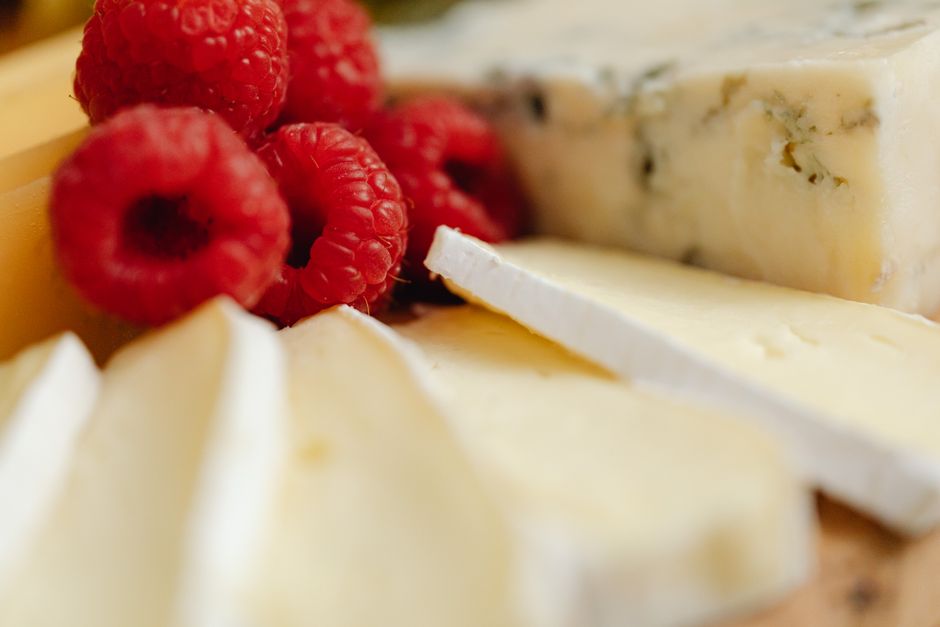
There is no single healthiest cheese, but if you are judging by nutrient density per calorie, low-moisture part-skim mozzarella and reduced-fat cottage cheese sit near the top. Both deliver a lot of protein and calcium for relatively few calories and little saturated fat. Hard aged cheeses like parmesan pack more calcium and protein per ounce, but also more calories and fat. The “healthiest” choice depends on what you are trying to get more of — protein, calcium, probiotics, or simply less sodium and saturated fat.
What Makes a Cheese Healthy?
Cheese is concentrated milk. Removing water concentrates protein, fat, calcium, and sodium all at once. That single fact explains most of the differences between varieties.
Four nutrients do most of the work in ranking cheeses:
- Protein — most cheeses land between 6 and 10 grams per ounce. Higher-protein cheeses keep you full longer.
- Calcium — hard cheeses generally win. An ounce of parmesan can supply close to a third of a typical adult’s daily calcium needs.
- Saturated fat — the main reason cheese gets criticized. Fresh and part-skim cheeses are lower; full-fat hard cheeses are higher.
- Sodium — the most overlooked number on the label. Some cheeses exceed 300 milligrams per ounce, which matters if you watch your blood pressure.
Calories per ounce range from roughly 50 for part-skim mozzarella to over 110 for some full-fat aged varieties. That gap is large enough to change how a cheese fits into a daily eating pattern.
One clarification worth making: cheese is not automatically “bad” because it contains saturated fat. The relationship between dairy fat and heart disease is genuinely debated, and the evidence is mixed. What is not debated is that calories, sodium, and total saturated fat intake still matter for most people.
What Is The Most Healthiest Cheese for Protein and Calcium?
Parmesan and other hard aged cheeses are the most concentrated sources of both protein and calcium. An ounce of parmesan provides roughly 10 grams of protein and about 330 milligrams of calcium.
The trade-off is sodium. Hard aged cheeses are salty by nature — salt is part of how they are made and preserved. Parmesan can run well over 300 milligrams of sodium per ounce. If you are salt-sensitive or managing high blood pressure, that adds up quickly.
Part-skim mozzarella is the better everyday compromise. It offers about 7 grams of protein and 200 milligrams of calcium per ounce, with less saturated fat and less sodium than aged hard cheeses. It also melts well, which makes it practical for cooking rather than just snacking.
Cottage cheese deserves a mention here. A half-cup of low-fat cottage cheese can provide around 12 grams of protein, often more than an ounce of most cheeses, with modest fat and calories. It is not a snacking cheese in the traditional sense, but for protein per calorie it is hard to beat.
Which Cheeses Are Lowest in Saturated Fat and Sodium?
Fresh cheeses and part-skim varieties are consistently lower in saturated fat. Part-skim mozzarella, reduced-fat cottage cheese, part-skim ricotta, and light string cheese all fall into this group.
Sodium is trickier because it varies more by brand than by cheese type. A few general patterns hold:
- Fresh cheeses like ricotta and cottage cheese tend to be lower in sodium than aged hard cheeses.
- Feta and blue cheese are typically among the highest in sodium.
- Swiss and some softer cheeses often sit in the middle.
- Processed cheese slices and spreads are frequently the highest of all.
Because sodium varies so much between brands of the same cheese, the label is more useful than the cheese name. Two mozzarellas can differ by 100 milligrams of sodium per ounce.





Does Cheese Have Probiotics?
Some cheeses contain live bacteria, but the amount and type vary widely, and most cheese is not a reliable probiotic source the way yogurt is.
Fresh cheeses that have not been heated after fermentation are more likely to retain live cultures. Aged cheeses generally lose most live bacteria during aging or are made with starter cultures that do not survive in large numbers.
There is another factor people rarely consider: even when live bacteria are present in cheese, it is not guaranteed they survive stomach acid in numbers large enough to matter. Some research suggests certain strains may have benefits, but the evidence for cheese specifically as a probiotic delivery system is limited. If probiotics are your goal, yogurt and fermented dairy drinks have more consistent evidence behind them.
Is Full-Fat Cheese Bad for You?
The evidence on full-fat cheese and heart health is more mixed than most people assume. Several large observational studies have found that cheese consumption is not clearly linked to higher rates of heart disease, and some have even suggested a neutral or slightly protective association.
That said, observational studies cannot prove cause and effect. People who eat cheese may differ from those who do not in many ways that researchers cannot fully account for. So the honest position is this: the evidence does not support the idea that cheese is uniquely harmful, but it also does not support treating full-fat cheese as a health food.
What is well established is that saturated fat raises LDL cholesterol in controlled feeding studies. Cheese is a meaningful source of saturated fat for many people. How much that matters for any individual depends on their overall diet, genetics, and health status.
For most people, the practical answer is moderation and portion awareness rather than avoidance. An ounce or two of full-fat cheese fits into many eating patterns. A daily cheese board does not.
How Does Cheese Fit Into a Healthy Diet?
Cheese is a food, not a supplement. It works best as part of a pattern that includes vegetables, fruit, whole grains, and adequate protein from varied sources.
A few practical points that hold up:
- Portion size matters more than cheese type for most people. An ounce is about the size of a pair of dice.
- If you are watching sodium, compare labels rather than assuming one cheese is better than another.
- If you are watching saturated fat, part-skim and fresh cheeses are the lower-fat options.
- If you want protein and calcium per calorie, hard aged cheeses and cottage cheese lead the pack.
- If you want probiotics, yogurt is a more reliable choice than cheese.
People with lactose intolerance can often tolerate aged hard cheeses because most lactose is removed during aging. Fresh cheeses and soft cheeses usually contain more lactose. People with a milk allergy should avoid all cheeses unless a clinician has advised otherwise, because milk protein is present regardless of lactose content.
For anyone managing high blood pressure, heart disease, or kidney disease, cheese choices are worth discussing with a doctor or dietitian. The right answer depends on individual lab values and medical history, not on a general ranking.
Comparison of Common Cheeses
The table below shows approximate values per one ounce for several common cheeses. These figures are based on USDA nutritional data and represent typical values — actual numbers vary by brand and variety.
| Cheese (1 oz) | Calories | Protein | Calcium | Saturated Fat |
|---|---|---|---|---|
| Part-skim mozzarella | ~72 | ~7 g | ~200 mg | ~2.9 g |
| Parmesan (hard) | ~110 | ~10 g | ~330 mg | ~4.9 g |
| Cheddar | ~114 | ~7 g | ~200 mg | ~6 g |
| Feta | ~75 | ~4 g | ~140 mg | ~4.2 g |
| Ricotta (part-skim) | ~39 | ~3 g | ~100 mg | ~1.5 g |
| Cottage cheese (low-fat, ½ cup) | ~90 | ~12 g | ~125 mg | ~1.5 g |
The pattern is clear. Hard aged cheeses win on calcium and protein per ounce. Fresh and part-skim cheeses win on calories and saturated fat. Cottage cheese wins on protein per calorie by a wide margin.
Frequently Asked Questions
What is the healthiest cheese to eat every day?
Part-skim mozzarella is a practical everyday choice because it balances protein, calcium, and lower saturated fat. Cottage cheese is also a strong option if protein per calorie matters most to you.
Is cheese healthier than yogurt?
They are different foods with different strengths — cheese is higher in calcium and protein per serving, while yogurt more reliably provides live probiotic cultures. Neither is clearly healthier overall.
Is feta cheese healthy?
Feta is relatively low in calories and fat, but it is one of the highest-sodium cheeses per ounce. If you watch your salt intake, portion size matters more with feta than with most other cheeses.
Can I eat cheese if I have high cholesterol?
Cheese is a source of saturated fat, which raises LDL cholesterol in controlled studies, so portion size and frequency matter. Talk to your doctor or dietitian about how cheese fits your specific situation.
