
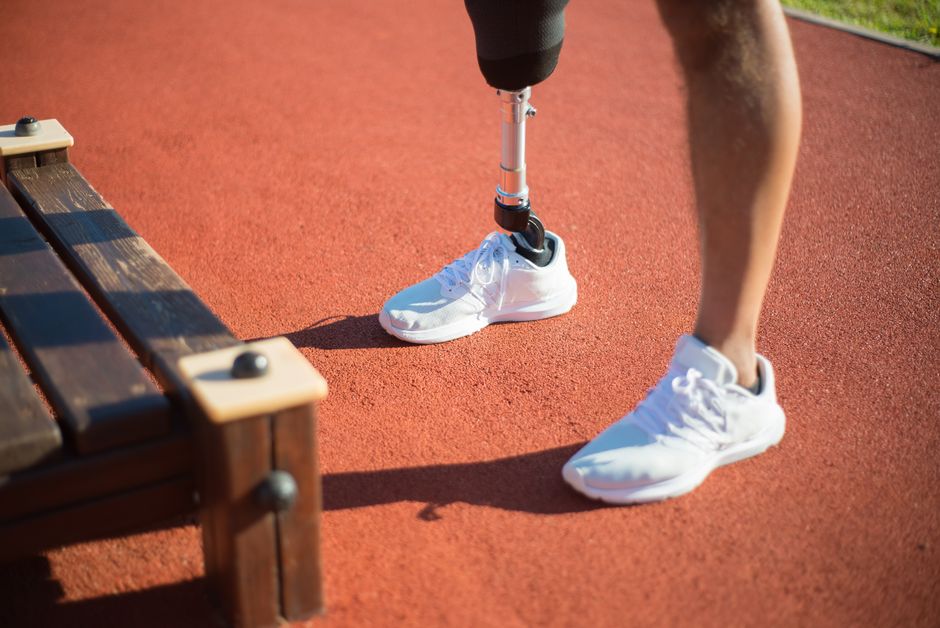
An adaptive athlete is someone who competes in sports with a disability or impairment, using modified rules, equipment, or classifications to compete on fair terms. Adaptive sports exist across nearly every athletic discipline — from track and field to skiing, swimming, and team sports. Competition is organized through classification systems that group athletes by the type and degree of their impairment, so results reflect skill and training rather than the nature of the disability itself.
What Is an Adaptive Athlete and How Do They Compete?
An adaptive athlete is a person with a physical, visual, or intellectual impairment who participates in competitive sport. The word “adaptive” refers to how the sport is adjusted, not to the athlete. The athlete is simply an athlete.
Competition works through a system called classification. Before competing, athletes are assessed and placed into a category based on how their impairment affects their ability to perform in that specific sport. This is the central idea that makes adaptive sport fair. Two runners with very different disabilities might compete in the same race, but only against others whose impairment has a comparable impact on running.
The model most people recognize is the Paralympic system, governed internationally by the International Paralympic Committee. But Paralympic sport is only one part of a much larger landscape. Adaptive sports also include community leagues, military programs, school competitions, and recreational events.
How Does Classification Work in Adaptive Sports?
Classification is the backbone of fair competition. It decides who competes against whom.
The system sorts athletes by impairment type and severity. The goal is to create groups where no athlete has a built-in advantage because of how their body or vision works. A classification is sport-specific — an athlete may be in one class for swimming and a different class for cycling, because each sport demands different things.
The main impairment categories used in Paralympic sport include:
- Impaired muscle power
- Impaired range of movement in joints
- Limb deficiency
- Leg length difference
- Short stature
- Hypertonia (abnormally increased muscle tension)
- Ataxia (loss of coordination)
- Athetosis (involuntary movement)
- Vision impairment
- Intellectual impairment
Within many of these categories, athletes are further grouped by severity. A swimmer with a mild coordination impairment may be placed in a different class than one with a severe impairment.
Classification is not a one-time label. Athletes are evaluated by trained classifiers, and the process can be reviewed. There have been well-documented cases of athletes misrepresenting their impairment to compete in a class that gives them an edge — a problem the system works to catch but has not eliminated. This is one reason classification rules are periodically revised.
What Sports Can Adaptive Athletes Compete In?
Almost any sport can be adapted. The question is usually how, not whether.
Some sports are adapted through equipment. Wheelchair basketball, wheelchair rugby, and wheelchair tennis use specialized chairs built for speed and contact. Sled hockey uses a sled with two blades and two shortened sticks. Sit-skiing uses a molded seat mounted on a single ski, with outriggers for balance.
Other sports are adapted through rules. In goalball, played by athletes with vision impairment, the ball contains bells and players rely on sound. In blind football, the ball also has internal bells, and a sighted goalkeeper and a guide behind the goal direct play.
Many sports are adapted through both. Para swimming adjusts starts and turns for athletes with different impairments. Para athletics includes wheelchair racing, seated throws, and running events for athletes with limb differences or vision impairment.
The range is broad. Adaptive sports include archery, rowing, cycling, equestrian, powerlifting, judo, taekwondo, table tennis, and more. If a sport exists, there is likely an adaptive version of it somewhere.





How Do Adaptive Athletes Train and Compete at a High Level?
Elite adaptive athletes train much like elite able-bodied athletes. The physiology of training — building strength, endurance, and skill through structured overload and recovery — does not change because of a disability.
What changes is the specific demands of the sport and the athlete’s body. A wheelchair racer builds shoulder and arm strength in ways a runner does not. A sit-skier develops core control and upper-body stability to manage a seated position at speed. Training is tailored to the athlete’s movement capacity, not to a generic template.
Adaptive equipment is often custom-built. A racing wheelchair is measured to the athlete’s body. A prosthetic running blade is tuned to the athlete’s weight, gait, and event. This equipment is part of the sport, and its design has improved over time.
One area where the evidence is genuinely mixed is the question of prosthetic technology and fairness. Some research suggests that certain running prostheses may return energy differently than a biological leg, but the findings are not consistent, and the effect on real-world performance is debated. Sports governing bodies have set rules on prosthetic use, but the science behind those rules is not settled.
What Are the Main Competitive Pathways?
There is no single path into adaptive sport. Athletes enter through several routes.
The Paralympic pathway is the most visible. It runs from national governing bodies to international competitions, culminating in the Paralympic Games. Qualification standards vary by sport and country.
The Invictus Games and Warrior Games serve military veterans and service members, using sport as part of recovery and rehabilitation. These events have grown in profile and feed some athletes into higher levels of competition.
Community and recreational programs are the entry point for many people. These range from local wheelchair basketball leagues to adaptive climbing gyms and inclusive running clubs. For some, this is the destination. For others, it is the first step toward elite competition.
Special Olympics is a separate global program for athletes with intellectual disabilities, with its own structure and competitions. It is distinct from the Paralympic movement, though both serve athletes with impairments.
What Barriers Do Adaptive Athletes Still Face?
Access is the biggest barrier. Equipment is expensive. A competitive racing wheelchair or a custom prosthetic can cost thousands of dollars, and insurance coverage for sports equipment is limited. This shapes who gets to compete.
Coaching and facilities are uneven. Not every community has a program, a trained coach, or a venue that can accommodate adaptive athletes. Transportation and travel costs add up.
Media coverage has improved but remains far below that of able-bodied sport. This affects sponsorship, funding, and visibility — which in turn affects the resources available to athletes.
Classification disputes also create friction. Athletes can spend time and energy navigating eligibility questions rather than training. The system is necessary for fairness, but it is not frictionless.
How Is Adaptive Sport Different From Disability Sport?
The terms overlap but are not identical. “Disability sport” is the broader category — any sport participation by people with disabilities, competitive or not. “Adaptive sport” emphasizes the modifications made to rules, equipment, or environment so the sport fits the athlete.
In practice, the two terms are often used interchangeably. The distinction is mostly about framing. Adaptive highlights the adjustment. Disability highlights the population. Neither is wrong.
What matters more is the shift in how these athletes are viewed. The modern approach treats adaptive sport as elite sport, not as therapy or charity. The training, the stakes, and the skill are comparable. The classification system exists to make the comparison fair.
Frequently Asked Questions
What is an adaptive athlete?
An adaptive athlete is a person with a disability or impairment who competes in sport using modified rules, equipment, or classifications. The term describes the sport’s adjustments, not a lesser level of athletic ability.
How do adaptive athletes compete fairly against each other?
They compete in classification groups based on how their impairment affects performance in that specific sport. This groups athletes with comparable functional impact so results reflect training and skill.
Are the Paralympics the same as adaptive sports?
The Paralympics are the highest-profile adaptive sports competition, but adaptive sport is much broader. It includes community leagues, military programs, school competitions, and recreational events worldwide.
Do adaptive athletes train differently?
The core principles of training — overload, recovery, and skill development — are the same. What differs is how training is tailored to the athlete’s movement capacity and the specific demands of their sport.
