
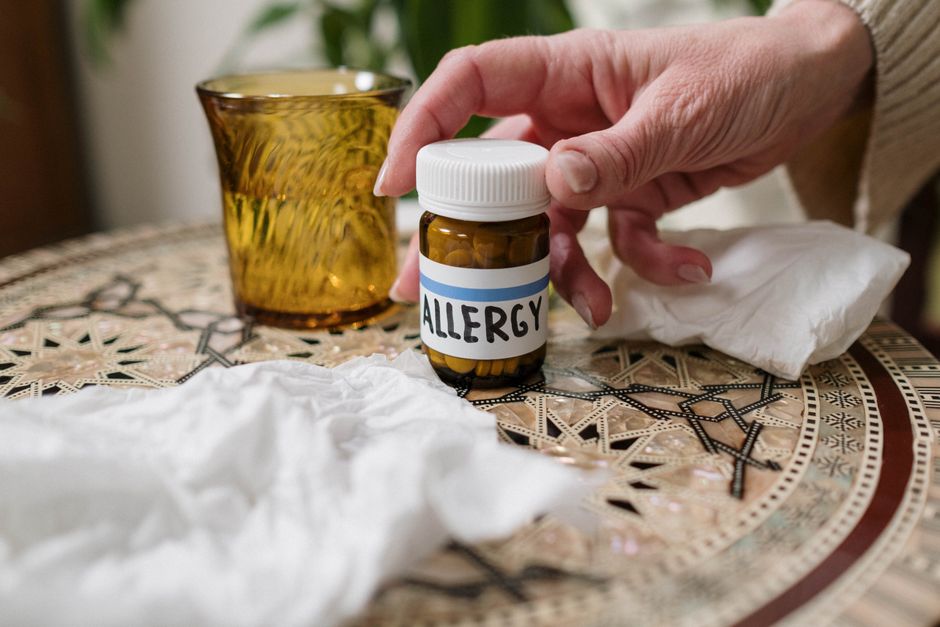
If your allergies feel worse than they used to, you are not imagining it. The roots of this problem are real and often overlooked. Allergies get worse when your immune system overreacts to harmless things like pollen, dust, or mold. This overreaction can be triggered by changes in your environment, your diet, your stress levels, and even the products you use at home. The good news is that understanding these root causes gives you a clear path to feeling better without relying on guesswork.
What Actually Causes Allergies to Worsen Over Time?
Allergies are not static. They can change as you age or as your surroundings change. Research shows that the immune system can become more sensitive after repeated exposure to an allergen. This is called the “priming effect.” If you live in an area with a long pollen season, your body may start reacting to smaller amounts of pollen over time.
Another reason allergies get worse is something called “allergic march.” This is a pattern where one allergy leads to another. For example, a child with eczema may later develop hay fever and then asthma. In adults, a mild dust mite allergy can turn into a severe year-round problem if the home environment is not controlled. The CDC reports that about 25% of adults in the US have a seasonal allergy, and that number has been rising for decades.
Climate change plays a direct role. Warmer temperatures extend the growing season for plants. Pollen seasons now start earlier and last longer than they did 30 years ago. A study published in the journal Proceedings of the National Academy of Sciences found that North American pollen seasons have lengthened by 20 days on average since 1990. More pollen in the air means more exposure and more severe symptoms.
Why Are My Allergies So Bad And What Can I Do About Environmental Triggers?
Your home may be the biggest source of your allergy trouble. Dust mites, mold, pet dander, and cockroach droppings are common indoor allergens. Unlike seasonal pollen, these are present year-round. If you wake up with a stuffy nose every morning, your bedroom likely has high levels of one or more of these triggers.
Humidity is a major factor. Dust mites thrive in humidity above 50%. Mold grows in damp areas like bathrooms and basements. The Environmental Protection Agency recommends keeping indoor humidity between 30% and 50%. A simple hygrometer costs less than $10 and can tell you if your home is in the danger zone.
Here is what you can do, based on evidence from the American Academy of Allergy, Asthma & Immunology:
- Use allergen-proof covers on pillows and mattresses
- Wash bedding in hot water (130°F or higher) every week
- Use a HEPA air purifier in the bedroom
- Vacuum with a HEPA filter vacuum cleaner at least once a week
- Fix any leaks that cause dampness or mold
These steps are not glamorous, but they work. A study in the Journal of Allergy and Clinical Immunology showed that multi-component environmental control reduced symptoms by 50% in people with dust mite allergies.
Does Diet Play a Role in Making Allergies Worse?
What you eat can influence how your immune system handles allergens. Some foods can make allergy symptoms worse by causing inflammation or by cross-reacting with pollen. This is known as oral allergy syndrome. If you have hay fever and your mouth itches after eating raw apples, celery, or melons, that is a cross-reaction.
Evidence indicates that a diet high in processed foods and low in fruits and vegetables may increase the risk of allergic disease. The Mediterranean diet, which is rich in fruits, vegetables, nuts, and fish, has been linked to lower rates of asthma and hay fever in some studies. This is not a cure, but it may help reduce the severity of symptoms.
Some people report that dairy makes their allergy symptoms worse. Strong evidence for this is limited. However, if you notice that your nose gets stuffier after drinking milk, it is worth trying a two-week dairy-free period to see if symptoms improve. The same goes for alcohol. Beer and wine contain histamine and sulfites, which can trigger nasal congestion in some people.




How Does Stress and Sleep Affect Allergy Severity?
Stress does not cause allergies, but it can make them worse. When you are stressed, your body releases cortisol and other hormones that can increase inflammation. This makes your immune system more reactive to allergens. A study from Ohio State University found that people with hay fever had more severe symptoms during exams compared to low-stress periods.
Sleep is equally important. Lack of sleep raises levels of inflammatory markers in the body. If you already have allergies, poor sleep can make your symptoms feel more intense. And of course, allergy symptoms like congestion and sneezing make it hard to sleep well. This creates a cycle that is hard to break.
Managing stress through regular exercise, good sleep hygiene, and simple relaxation techniques can help lower your baseline inflammation. This does not replace medication, but it can make your current treatments work better.
What Allergy Medications Actually Work and Which Ones to Avoid?
There are many allergy medications, but not all are created equal. Antihistamines work by blocking histamine, the chemical that causes sneezing, itching, and runny nose. Second-generation antihistamines like loratadine (Claritin), cetirizine (Zyrtec), and fexofenadine (Allegra) are preferred because they cause less drowsiness than first-generation ones like diphenhydramine (Benadryl).
Nasal corticosteroid sprays are often more effective than oral antihistamines for nasal symptoms. Fluticasone (Flonase) and triamcinolone (Nasacort) are available over the counter. They work best when used daily, not just when symptoms are bad. It can take several days to feel the full effect.
Here is a comparison of common allergy medication types:
| Medication Type | Examples | Best For | Common Side Effects |
|---|---|---|---|
| Oral antihistamines (2nd gen) | Loratadine, Cetirizine, Fexofenadine | Sneezing, itching, runny nose | Mild drowsiness (rare) |
| Nasal corticosteroid sprays | Fluticasone, Triamcinolone | Nasal congestion, postnasal drip | Nose dryness, mild nosebleeds |
| Decongestants | Pseudoephedrine (Sudafed) | Stuffy nose | Insomnia, increased blood pressure |
| Antihistamine eye drops | Ketotifen (Zaditor) | Itchy, red eyes | Mild stinging |
Be cautious with decongestant sprays like oxymetazoline (Afrin). They work immediately but should not be used for more than three days. Using them longer can cause rebound congestion, where your nose gets even more stuffy when the medication wears off. This is called rhinitis medicamentosa and is a common reason allergies feel worse.
When Should You See an Allergist and What Can They Do?
If over-the-counter medications are not controlling your symptoms, it is time to see a board-certified allergist. The American College of Allergy, Asthma & Immunology recommends seeing a specialist if your allergies interfere with daily life, if you have asthma, or if you experience severe reactions.
An allergist can perform skin prick testing or blood tests to identify exactly what you are allergic to. This is important because treating the wrong thing is a waste of time and money. For example, if you are allergic to dust mites but treat yourself for pollen, you will not get relief.
Allergen immunotherapy is one of the most effective treatments for long-term relief. This can be given as allergy shots (subcutaneous immunotherapy) or as drops under the tongue (sublingual immunotherapy). The goal is to desensitize your immune system to the specific allergen. Research published in JAMA shows that immunotherapy can reduce symptoms by 60-80% and the benefits can last for years after treatment ends.
Some people report that alternative treatments like acupuncture or herbal supplements help. Strong clinical evidence is limited. The National Center for Complementary and Integrative Health states that acupuncture may provide some relief for seasonal allergies, but the effect is small. As of 2026, there is no clinical evidence that any herbal supplement can cure allergies. Be wary of any product that claims to do so.
Frequently Asked Questions
Can allergies suddenly get worse as an adult?
Yes, allergies can develop or worsen at any age due to changes in environment, immune system, or hormone levels.
Does moving to a different climate cure allergies?
Moving may provide temporary relief, but you can develop new allergies to plants in your new location within a few years.
Are air purifiers worth it for allergies?
Yes, HEPA air purifiers can reduce airborne allergens by up to 50% in a single room when used consistently.
Can probiotics help with allergies?
Some studies suggest certain probiotic strains may reduce allergy symptoms, but evidence is not strong enough to recommend them as a primary treatment.
