
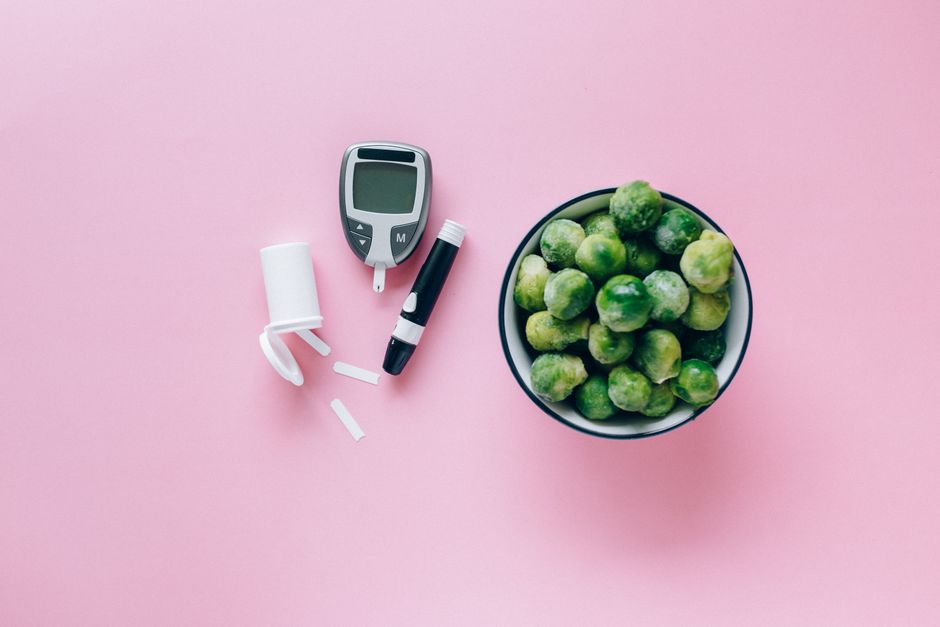
Carbohydrates are not inherently bad for you. They are the body’s preferred fuel source, and your brain, muscles, and organs depend on glucose to function. The problem is not carbs themselves. It is the type, the amount, and how your body handles them. Refined carbohydrates digest fast, spike blood sugar quickly, and trigger a strong insulin response. Over time, that cycle can promote fat storage, increased hunger, and rising blood sugar levels. That is why carbs get blamed for weight gain and blood sugar problems — but the full picture is more specific than “carbs are bad.”
What Actually Happens When You Eat Carbs?
When you eat carbohydrates, your digestive system breaks them down into glucose. That glucose enters your bloodstream, and your blood sugar rises. In response, your pancreas releases insulin. Insulin’s job is to move glucose out of your blood and into your cells, where it can be used for energy or stored for later.
This is a normal, healthy process. Without it, you would not survive. The issue arises when this process happens too fast, too often, or when your cells stop responding to insulin efficiently.
The speed at which a carb raises blood sugar depends largely on its structure. Simple carbs — like white bread, soda, candy, and white rice — are broken down quickly. Complex carbs — like oats, beans, lentils, and whole vegetables — take longer because they contain fiber, which slows digestion and glucose absorption.
Fiber is the key variable here. It acts like a speed bump for sugar entering your bloodstream. A baked potato without skin and a serving of lentils may contain similar total carbs, but they produce very different blood sugar responses.
Why Are Carbs Bad For You Blood Sugar And Weight Gain?
Carbs are not bad for everyone in the same way. The problem is concentrated in refined carbohydrates and added sugars, especially when eaten in large amounts without fiber, protein, or fat to slow absorption.
Here is the mechanism. When you eat refined carbs, blood sugar rises sharply. Insulin surges to bring it down. If that glucose is not used for immediate energy, insulin helps store it — partly as glycogen in your muscles and liver, and partly as fat. When blood sugar drops after the insulin surge, you feel hungry again. That hunger drives you to eat more, often more refined carbs. This cycle can lead to a consistent calorie surplus, which is what ultimately drives weight gain.
It is not that carbs magically turn into fat more than other nutrients. Excess calories from any source — carbs, fat, or protein — can lead to weight gain. But refined carbs are uniquely easy to overeat because they digest fast, do not satisfy hunger well, and are calorie-dense. That is the practical problem.
Over time, repeatedly high insulin levels can contribute to insulin resistance. When cells stop responding well to insulin, the pancreas produces more of it to compensate. Eventually, blood sugar starts to rise because the system can no longer keep up. This is the pathway toward prediabetes and type 2 diabetes.
That said, not everyone who eats refined carbs develops insulin resistance. Genetics, physical activity, body fat distribution, sleep, and stress all play significant roles. The evidence consistently shows that refined carb intake is a contributing factor, not the sole cause.
Are All Carbs the Same?
No. The category “carbohydrate” includes foods with opposite effects on blood sugar and appetite.
- Refined carbs: White bread, white rice, soda, pastries, most breakfast cereals. High blood sugar impact, low fiber, easy to overeat.
- Whole-food complex carbs: Oats, brown rice, quinoa, beans, lentils, sweet potatoes. Slower blood sugar rise, higher fiber, more filling.
- Non-starchy vegetables: Broccoli, spinach, peppers, cauliflower. Very low blood sugar impact, high fiber and micronutrients.
- Fruit: Contains natural sugar but also fiber, water, and beneficial compounds. Whole fruit produces a much slower blood sugar rise than fruit juice.
The glycemic index measures how quickly a food raises blood sugar compared to pure glucose. Refined carbs generally score high. Legumes, whole grains, and most vegetables score lower. This is a useful framework, but it has limits — the glycemic index does not account for how much you eat or what you eat it with.
A non-obvious point: how you prepare and combine carbs matters. Cooking and cooling rice or potatoes changes their starch structure, creating resistant starch that your body digests more slowly. Eating carbs with protein or fat also blunts the blood sugar spike. These effects are real but modest. They do not cancel out the impact of a high-refined-carb diet.





Does Eating Carbs Cause Insulin Resistance?
Refined carb intake contributes to insulin resistance, but it is not the only factor. Insulin resistance develops over years through a combination of genetics, excess body fat (particularly around the abdomen), physical inactivity, poor sleep, and chronic stress.
Research consistently shows that diets high in refined carbohydrates and added sugars are associated with higher rates of insulin resistance and type 2 diabetes. But association is not the same as sole causation. Populations that eat high-carb diets composed mostly of whole foods — like traditional rice-based diets in parts of Asia — have historically had lower rates of type 2 diabetes than populations eating high-refined-carb Western diets.
This tells us something important: the type of carb matters as much as the quantity.
Physical activity also plays a major role. Working muscles take up glucose without needing much insulin. That is one reason regular exercise improves insulin sensitivity independently of diet.
Do You Need to Cut Carbs to Lose Weight?
No. Weight loss ultimately depends on a calorie deficit, regardless of macronutrient composition. Low-carb diets and low-fat diets produce similar weight loss when calories and protein are matched, according to multiple controlled trials.
That said, some people find low-carb or lower-carb diets easier to stick to. Fewer refined carbs often means fewer calories overall because protein and fat tend to be more satiating. If a lower-carb approach helps you eat less without feeling deprived, it can work. If a balanced diet with whole-food carbs keeps you satisfied and energized, that works too.
The evidence does not support the idea that carbs are uniquely fattening. It supports the idea that refined carbs are easy to overconsume and that excess calories from any source lead to weight gain.
For blood sugar control, reducing refined carbs and increasing fiber, protein, and healthy fats consistently improves outcomes in people with prediabetes and type 2 diabetes. This is well-established clinical practice. Whether extreme carb restriction is necessary depends on the individual and should be discussed with a healthcare provider.
What Should You Actually Do?
Focus on carb quality, not carb elimination.
- Replace refined grains with whole grains where possible.
- Eat more beans, lentils, and non-starchy vegetables.
- Pair carbs with protein, fat, or fiber to slow blood sugar rise.
- Limit sugary drinks, which deliver large amounts of fast-absorbing sugar with little satiety.
- Stay physically active — muscle glucose uptake improves insulin sensitivity.
None of this is about fear of carbs. It is about understanding how different carbs behave in your body and choosing accordingly. For most people, a diet built around whole foods — including whole-food carbohydrates — supports stable blood sugar and healthy weight better than one built around refined carbs and added sugar.
If you have prediabetes, type 2 diabetes, or another metabolic condition, talk to your doctor or a registered dietitian about a plan tailored to you. General guidance is a starting point, not a prescription.
Frequently Asked Questions
Do carbs turn into fat immediately?
No. Your body first uses glucose for energy and stores a limited amount as glycogen in your muscles and liver. Only when those stores are full and you are in a calorie surplus does the body convert excess glucose into fat.
Are carbs bad for you if you have prediabetes?
Refined carbs can worsen blood sugar control in prediabetes, but whole-food carbs with fiber are generally fine and can even help. The type and amount of carbs matter more than cutting them entirely.
Is a low-carb diet better than a low-fat diet for weight loss?
When calories and protein are matched, research shows similar weight loss between the two. The better diet is the one you can maintain long-term.
Can you eat carbs at night without gaining weight?
Total daily calorie intake matters more than timing for weight gain. Eating carbs at night does not inherently cause weight gain unless it pushes you into a calorie surplus.
