
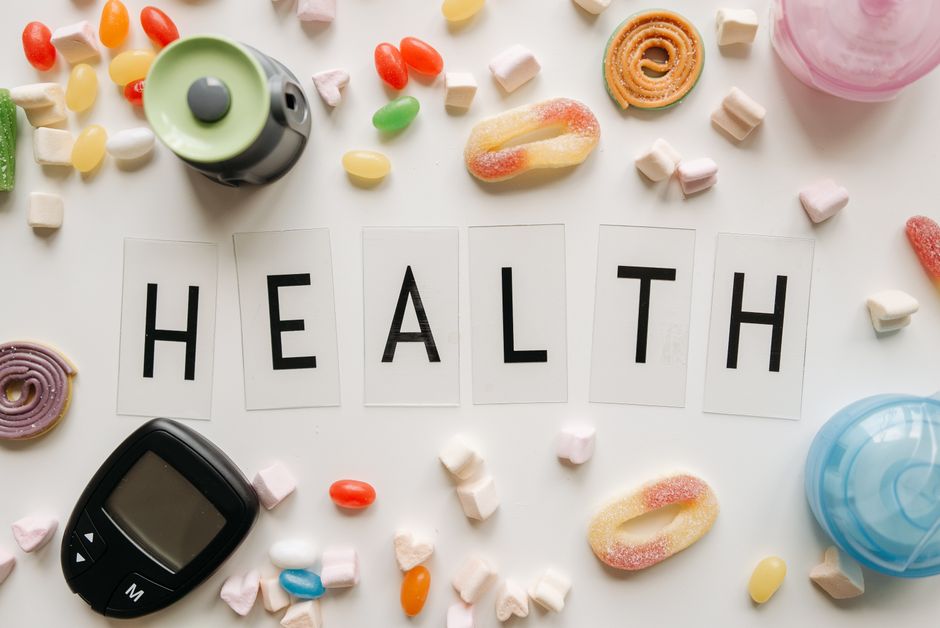
Low blood sugar, also called hypoglycemia, happens when glucose in your blood drops below normal levels. For most people, that means below 70 mg/dL. Your brain relies almost entirely on glucose for fuel, so when levels drop, symptoms appear quickly. Regulating low blood sugar starts with understanding why it happens and then taking fast action with quick carbs, followed by longer-lasting food. If you have diabetes, treatment needs to follow specific guidelines. If you do not have diabetes, the causes and approach are different.
What Are the First Signs of Low Blood Sugar?
Symptoms can come on fast. The body releases hormones like epinephrine to raise blood sugar, which causes early warning signs. You may feel shaky, sweaty, hungry, anxious, or notice your heart beating faster.
As blood sugar drops further, the brain gets affected. This can cause confusion, trouble speaking, blurred vision, weakness, or clumsiness. Some people feel irritable or suddenly very tired. If blood sugar continues to fall, it can lead to seizures or loss of consciousness.
Not everyone feels symptoms the same way. People who have had diabetes for many years may develop hypoglycemia unawareness, meaning they lose the early warning signs. This makes low blood sugar more dangerous because there is no signal to treat it early.
What Causes Low Blood Sugar?
The most common cause is diabetes medication. Insulin and certain oral diabetes drugs, like sulfonylureas, can lower blood sugar too much. Skipping meals, eating less than usual, drinking alcohol, or exercising more than normal can trigger a drop when these medications are on board.
In people without diabetes, low blood sugar is much less common. It can happen after a large meal high in refined carbohydrates. This is called reactive hypoglycemia. The body overproduces insulin in response to the sugar spike, and blood glucose crashes a few hours later.
Fasting hypoglycemia occurs when you go too long without eating. This can be caused by certain medications, heavy alcohol use, or underlying conditions. Rare causes include tumors in the pancreas that produce excess insulin, hormone deficiencies, or critical illnesses affecting the liver, heart, or kidneys.
Some research suggests that certain herbal supplements or non-prescription products can affect blood sugar, but the evidence is often limited. If you experience low blood sugar and do not take diabetes medication, you should see a doctor to find the underlying cause.
How To Regulate Low Blood Sugar Causes And Treatment Quickly
If you feel symptoms of low blood sugar, check your glucose level if you have a meter. A reading below 70 mg/dL confirms hypoglycemia. The treatment is the 15-15 rule, which is widely taught to people with diabetes.
Eat or drink 15 grams of fast-acting carbohydrate. Good options include glucose tablets, 4 ounces of regular juice or soda, 1 tablespoon of sugar or honey, or hard candies. These foods are quickly absorbed into the bloodstream.
Wait 15 minutes, then recheck your blood sugar. If it is still below 70 mg/dL, take another 15 grams of carbohydrate. Repeat until your blood sugar is back in a safe range.
Once your blood sugar is above 70 mg/dL, eat a snack with protein and complex carbohydrates. This prevents another drop. Good examples include peanut butter on crackers, cheese with whole-grain bread, or a handful of nuts with fruit.
Do not use foods containing fat or protein alone to treat an active low. Chocolate, ice cream, and nuts digest too slowly. They will not raise blood sugar fast enough. Save those for the follow-up snack.
If you have glucagon, which is a prescription emergency medication, it may be needed for severe lows where you cannot swallow safely. Family members or caregivers should know how to use it. Call emergency services if glucagon is not available or does not work.





How To Prevent Low Blood Sugar
Prevention is the best treatment. If you take insulin or other diabetes medications, never skip meals. Eat regular meals and snacks as recommended by your care team.
Check your blood sugar before driving, exercising, or going to sleep. These are times when a low can be particularly dangerous. If your glucose is trending down, eat a small snack before physical activity.
Alcohol can cause delayed low blood sugar. It blocks the liver from releasing stored glucose. This effect can last for hours, even overnight. If you drink alcohol, eat food beforehand and check your blood sugar before bed.
Work with your doctor to adjust medication doses if you have repeated lows. Your insulin needs may change with weight, activity level, or illness. A continuous glucose monitor can help detect patterns and alert you to drops before symptoms start.
What To Do If Low Blood Sugar Does Not Improve
If you have treated a low twice with the 15-15 rule and your blood sugar is still below 70 mg/dL, seek medical help. This is a sign that something more serious is happening.
If the person is unconscious, having seizures, or cannot swallow, do not give food or drink. This can cause choking. Place the person on their side and give glucagon if available. Call emergency services immediately.
For people without diabetes who have repeated episodes of low blood sugar, medical evaluation is essential. The cause needs to be identified. Treatment depends entirely on what is driving the lows.
Can Diet Help Regulate Blood Sugar Long-Term?
Diet plays a major role in preventing lows, especially for people with reactive hypoglycemia. Eating balanced meals that combine protein, fiber, and healthy fats slows digestion and prevents the insulin surge that causes crashes.
Choose whole grains over refined carbohydrates. Brown rice, oats, and whole-wheat bread release glucose more steadily than white bread or sugary cereals. Pair carbohydrates with protein at every meal.
Eating smaller, more frequent meals may help some people with reactive hypoglycemia. Instead of three large meals, try five or six smaller ones spread throughout the day. This keeps glucose levels more stable.
For people with diabetes, matching carbohydrate intake to medication doses is the core of prevention. A registered dietitian or diabetes educator can help you build a meal plan that works with your specific medications and lifestyle.
When To See a Doctor
Anyone who experiences symptoms of low blood sugar should talk to a doctor. This is especially important if you do not have diabetes. A single episode might be explainable, but recurrent episodes need investigation.
If you have diabetes and are having frequent lows, your medication plan may need adjustment. Do not change your insulin or oral medication doses on your own. This can be dangerous and should be done under medical supervision.
Your doctor may order tests to measure your blood sugar during a symptomatic episode. They may also check insulin levels and other hormones. In some cases, a longer monitored fast is needed to diagnose the cause.
Wearing a medical alert bracelet is a good idea for anyone who experiences severe lows. Emergency responders are trained to look for these. It can save critical time in an emergency.
Frequently Asked Questions
How fast does sugar raise blood sugar?
Fast-acting carbohydrates like glucose tablets or juice raise blood sugar within 10 to 15 minutes. This is why the 15-15 rule works for treating an active low.
What is the safest way to treat low blood sugar?
The safest way is to take exactly 15 grams of fast-acting carbohydrate, wait 15 minutes, and recheck your blood sugar. Repeat if your level is still below 70 mg/dL, then eat a protein snack to prevent another drop.
Can low blood sugar happen without diabetes?
Yes, but it is much less common. It can occur after high-carb meals in some people, or from fasting, alcohol, certain medications, or rare medical conditions. A doctor should evaluate repeated episodes.
What should I eat to prevent low blood sugar at night?
A bedtime snack with protein and complex carbohydrates can help prevent overnight lows. Examples include cheese with whole-grain crackers or peanut butter on toast, but check with your doctor if you take diabetes medication.
