
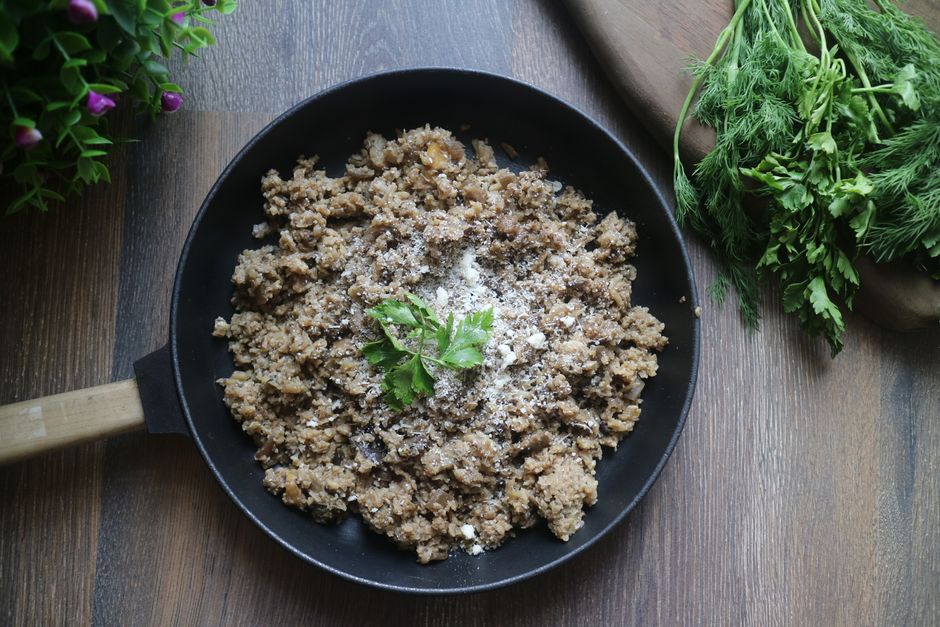
Wild rice is not a low-carb food, but it is lower in carbohydrates than white rice and most other types of rice. A standard cooked portion contains about 35 grams of carbohydrates, which makes it difficult to fit into a strict ketogenic diet. However, because it is a whole grain with more fiber and protein, it affects blood sugar more gently than white rice and is a better choice for people managing blood sugar or type 2 diabetes.
Is Wild Rice Low Carb and Keto Friendly?
Wild rice is not low carb. A one-cup serving of cooked wild rice contains roughly 35 grams of total carbohydrates and about 3 grams of fiber. That leaves around 32 grams of net carbohydrates.
For a standard ketogenic diet that limits daily carbs to 20 to 50 grams, a single serving of wild rice would use up most or all of your carbohydrate allowance for the day. Wild rice is not keto-friendly unless you eat a very small portion, such as a quarter cup, and carefully account for the carbs.
The key point is this: wild rice is a carbohydrate-dense food. It is simply less carb-heavy than other rice varieties.
How Do Wild Rice Carbs Compare to White and Brown Rice?
Wild rice contains fewer carbohydrates than white rice and brown rice, but the difference is not dramatic.
Per one cup of cooked rice, the approximate carbohydrate content is:
- White rice: about 45 grams of carbohydrates
- Brown rice: about 45 grams of carbohydrates
- Wild rice: about 35 grams of carbohydrates
Wild rice also has about twice the protein and more fiber than white rice. It is technically not rice at all. It is the seed of an aquatic grass native to North America. That botanical difference explains why its nutritional profile is slightly better than true rice varieties.
Does Wild Rice Spike Blood Sugar?
Wild rice raises blood sugar, but it does so more slowly than white rice. The glycemic index of wild rice is lower than that of white rice, meaning it causes a smaller and more gradual rise in blood glucose after eating.
Several factors explain this. Wild rice retains its bran layer, which contains fiber and slows digestion. It also has more protein than white rice. Protein and fiber both slow the emptying of the stomach and delay the absorption of glucose into the bloodstream.
That said, wild rice still contains a substantial amount of starch. For someone with diabetes or prediabetes, portion size remains the most important factor. A small serving of wild rice will have a modest effect on blood sugar. A large serving will raise blood sugar noticeably, even if the rise is slower than with white rice.




Glycemic Index of Wild Rice
The glycemic index (GI) is a measure of how quickly a carbohydrate-containing food raises blood sugar. Foods are ranked on a scale from 0 to 100, with pure glucose as the reference point at 100.
Wild rice has a glycemic index in the low-to-moderate range. White rice, by comparison, has a high glycemic index. Brown rice sits somewhere in between, closer to the moderate range.
Glycemic index values can vary based on the specific variety, how the rice is cooked, and how long it is cooked. Overcooking any rice breaks down the starch further and raises its glycemic response. Cooking wild rice until it is just tender, rather than soft and split open, helps keep the blood sugar effect lower.
Glycemic load is another useful measure. It combines the glycemic index with the actual portion size. A small serving of wild rice has a low glycemic load. A large serving has a moderate glycemic load. This is a reminder that portion control matters more than the food itself for blood sugar management.
Is Wild Rice Good for People with Diabetes?
Wild rice is a reasonable carbohydrate choice for people with diabetes when eaten in controlled portions. It is a whole grain, and whole grains are generally recommended over refined grains like white rice because they contain more fiber, vitamins, and minerals.
Some research suggests that replacing white rice with whole grains is associated with a lower risk of developing type 2 diabetes. The evidence for this comes from large observational studies that track dietary patterns and health outcomes over many years.
For people who already have diabetes, the practical question is how wild rice fits into a meal plan. A common starting point is a half-cup serving of cooked wild rice, which contains roughly 17 grams of carbohydrates. This can fit into a balanced meal alongside non-starchy vegetables and a source of protein or healthy fat.
Pairing wild rice with protein and fat slows digestion further and blunts the blood sugar response. Eating wild rice on an empty stomach, by itself, will produce a faster rise in glucose.
What Are the Nutritional Benefits of Wild Rice?
Wild rice provides more than just carbohydrates. It is a source of several important nutrients.
A one-cup serving of cooked wild rice contains about 6 to 7 grams of protein. That is higher than white rice and comparable to brown rice. It also provides magnesium, phosphorus, zinc, and B vitamins, particularly niacin and vitamin B6.
Wild rice is naturally gluten-free. People with celiac disease or non-celiac gluten sensitivity can eat it safely, provided it has not been cross-contaminated with gluten-containing grains during processing.
One caution: wild rice can absorb arsenic from the soil and water where it grows, just like other rice varieties. The levels are generally lower than in white rice, but the evidence is not complete enough to state exact safe quantities. Eating a variety of grains rather than relying on any single grain is a reasonable approach.
Portion Control and Blood Sugar Management
Portion size is the single most important factor when eating wild rice for blood sugar control. The difference between a reasonable serving and a large serving can mean the difference between a modest blood sugar rise and a significant spike.
A standard serving of cooked wild rice is half a cup. This contains roughly 17 grams of carbohydrates. Measuring the rice before eating is the most reliable way to know how many carbohydrates you are consuming.
Many people underestimate portion sizes when rice is served as part of a mixed dish. Rice in soups, casseroles, or stuffed vegetables still counts toward your total carbohydrate intake for the meal.
How to Cook Wild Rice to Minimize Blood Sugar Impact
How you cook wild rice affects how your body digests it. Cooking methods that preserve the structure of the grain produce a slower blood sugar response.
Cooking wild rice until it is just tender, with the grains still intact, is better than cooking it until the grains split open and become soft. The more the starch is gelatinized through prolonged cooking, the faster it is digested.
Cooling cooked wild rice before eating it can also help. When cooked starch is cooled, some of it converts to resistant starch. Resistant starch is not digested in the small intestine and therefore does not raise blood sugar. Reheating the rice after cooling does not completely undo this effect.
This is not a reason to eat cold rice if you prefer it warm. It is simply a useful strategy for people who are trying to reduce the blood sugar impact of the carbohydrates they eat.
Alternatives to Wild Rice for Low-Carb Diets
If you are following a low-carb or ketogenic diet, wild rice is not the best choice. Several lower-carbohydrate alternatives provide a similar texture and function in meals.
Cauliflower rice is the most common substitute. A cup of cooked cauliflower rice contains about 5 grams of carbohydrates. It absorbs flavors well and works in stir-fries, grain bowls, and as a side dish.
Broccoli rice and cabbage rice are similar options with low carbohydrate counts. These are simply vegetables that have been chopped or processed into rice-sized pieces and cooked briefly.
Konjac rice, made from the konjac root, is very low in digestible carbohydrates. It has a chewy texture that some people find takes getting used to.
For people who want a grain-like option without the carbs, shirataki rice and miracle rice are also available. These products are primarily water and glucomannan fiber, so they contain almost no digestible carbohydrate.
None of these alternatives taste exactly like wild rice. They are substitutes, not replacements. But they allow people on low-carb diets to enjoy the structure of a rice-based meal without exceeding their carbohydrate limits.
Is Wild Rice Low Carb Carbs Keto Blood Sugar: The Bottom Line
Wild rice is not low carb and does not fit into a standard ketogenic diet. It contains about 35 grams of carbohydrates per cooked cup, which is too many for most people on keto.
For blood sugar management, wild rice is a better choice than white rice. It has more fiber, more protein, and a lower glycemic index. People with diabetes can eat it in controlled portions as part of a balanced meal.
The evidence does not support claims that wild rice is a low-carb food or that it will not raise blood sugar. It will raise blood sugar. The question is how much and how quickly, and the answer depends on portion size, cooking method, and what you eat alongside it.
Frequently Asked Questions
Can I eat wild rice on a keto diet?
No, wild rice is too high in carbohydrates for a standard ketogenic diet. A one-cup serving contains about 35 grams of carbs, which would exceed the daily limit for most people on keto.
Does wild rice raise blood sugar?
Yes, wild rice raises blood sugar because it is a starchy food. It raises blood sugar more slowly than white rice due to its fiber and protein content, but the rise is still significant.
Which rice is lowest in carbs?
Wild rice is lower in carbohydrates than white rice and brown rice, but it is not the lowest-carb option available. Cauliflower rice and other vegetable-based alternatives contain far fewer carbohydrates.
Is wild rice good for people with type 2 diabetes?
Wild rice can be part of a diabetes-friendly diet when eaten in controlled portions. A half-cup serving contains about 17 grams of carbohydrates and provides more fiber and protein than white rice.
