
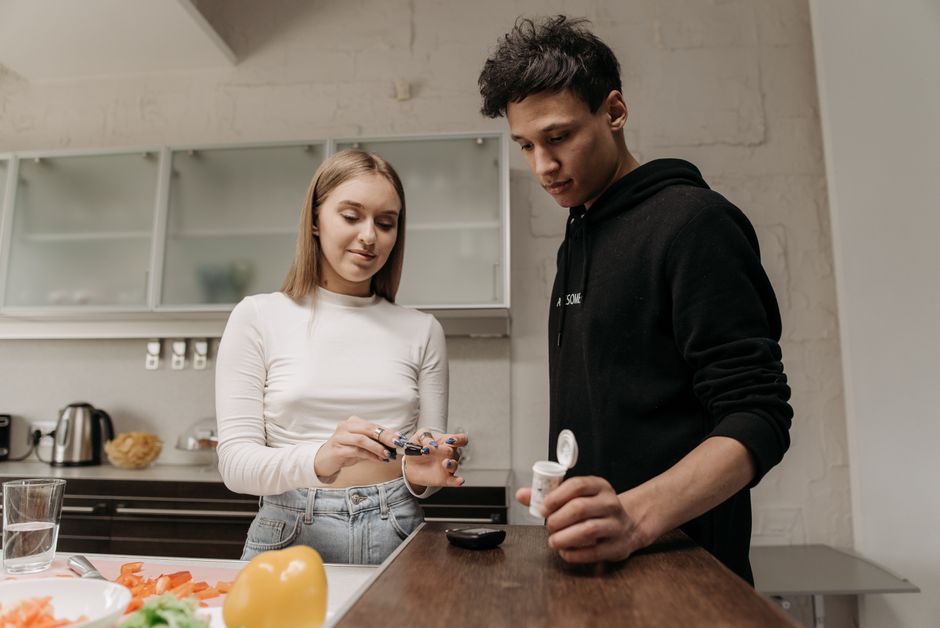
Knowing when to drink a glucose test beverage depends entirely on why you are drinking it. For a standard glucose tolerance test, the timing is set by your doctor and is not flexible. For managing low blood sugar during exercise, the timing depends on your symptoms and activity level. These are two completely different situations that require different rules.
What Is a Glucose Tolerance Test?
A glucose tolerance test measures how well your body processes sugar. You drink a sweet liquid that contains a set amount of glucose. Then your blood is drawn at specific times to see how your body responds.
Doctors use this test to screen for diabetes, prediabetes, and gestational diabetes. It is also used to diagnose conditions that cause low blood sugar after meals.
The test is standardized. That means the timing is not optional. Drinking the glucose solution at the wrong time can invalidate the results. You would need to repeat the entire test.
When Do You Drink the Glucose Drink for the Test?
You drink the glucose solution at a specific point during the test. The exact timing depends on which version of the test your doctor ordered.
For the two-hour oral glucose tolerance test, you drink the solution after a fasting blood draw. Your blood is then drawn again at one hour and at two hours after you finish the drink.
For the three-hour test, which is often used during pregnancy, the pattern is similar. You drink after fasting blood work. Then blood is drawn at one, two, and three hours after the drink.
The clock starts when you finish the drink, not when you start it. Try to finish the solution within five minutes. Sip it slowly if you need to, but do not stretch it out over a longer period.
You cannot eat, drink anything other than water, or exercise during the test. These activities change how your body processes glucose and will skew the results.
Do You Need to Fast Before a Glucose Test?
Yes, for most glucose tolerance tests you need to fast. This means no food and no drinks other than water for 8 to 12 hours before the test.
Your doctor will tell you exactly how long to fast. Follow that instruction precisely. Eating before the test raises your blood sugar and makes the results unreliable.
Some tests, like a random glucose test, do not require fasting. But a glucose tolerance test does. If you are unsure, ask your doctor. Never assume.
You should also avoid alcohol and strenuous exercise for at least 24 hours before the test. Both can affect blood sugar levels and alter your results.

When Do You Drink Glucose for Low Blood Sugar During Exercise?
This is a different situation entirely. If you have low blood sugar during exercise, you are not taking a diagnostic test. You are treating a medical event.
The general guidance is to consume fast-acting carbohydrates when your blood sugar drops below 70 mg/dL or when you feel symptoms of hypoglycemia. Symptoms include shakiness, sweating, confusion, dizziness, and a rapid heartbeat.
For exercise-related low blood sugar, the timing matters in relation to your activity. If you feel symptoms during a workout, stop exercising immediately. Then consume 15 grams of fast-acting carbohydrate.
Examples of 15 grams of fast-acting carbohydrate include:
- 4 ounces of regular fruit juice
- 4 ounces of regular soda, not diet
- 1 tablespoon of sugar or honey
- 3 to 4 glucose tablets
Wait 15 minutes. Then check your blood sugar again. If it is still below 70 mg/dL, consume another 15 grams of carbohydrate. Repeat this until your blood sugar rises above 70 mg/dL.
Once your blood sugar is back in a safe range, you can resume exercise only if you feel well. Many people need to eat a snack with protein and complex carbohydrates before continuing. This helps prevent another drop.
Can You Drink a Glucose Test Beverage to Treat Low Blood Sugar?
Technically yes, but it is not the best choice. The glucose drink used for testing contains a precise amount of sugar. A standard dose is often 75 grams of glucose.
That is far more than the 15 grams recommended for treating low blood sugar. Drinking the entire bottle would spike your blood sugar very high. Then it could crash again later.
If you have leftover glucose test solution and you have low blood sugar, you could drink a small amount. But measuring the right amount is difficult. Glucose tablets, juice, or regular soda are easier to dose accurately.
Do not keep leftover glucose test solution for this purpose. It is meant for diagnostic use. Use products designed for treating hypoglycemia instead.
How to Prevent Low Blood Sugar During Exercise
Prevention is better than treatment. If you have diabetes or a condition that causes low blood sugar, plan ahead before you exercise.
Check your blood sugar before you start. If it is below 100 mg/dL, have a small snack with carbohydrates before exercising. This is a common recommendation, but your doctor may give you different targets based on your individual health.
Timing your meals and snacks around exercise matters. Eating a meal one to three hours before exercise gives your body fuel to use. The exact timing depends on the size of the meal and your personal response.
For longer workouts, you may need to consume carbohydrates during exercise. This is common for workouts lasting longer than 60 minutes. Some people need this for shorter sessions.
Check your blood sugar after exercise too. Blood sugar can drop hours later, especially after intense or prolonged activity. This is called delayed hypoglycemia and it can happen during sleep.
What Are the Symptoms of Low Blood Sugar?
Recognizing low blood sugar early helps you treat it quickly. Symptoms can come on fast.
Common early symptoms include:
- Shakiness or tremors
- Sweating
- Hunger
- Anxiety or irritability
- Dizziness
- Rapid heartbeat
If low blood sugar is not treated, symptoms can become more severe. Confusion, blurred vision, slurred speech, and seizures are serious signs. Loss of consciousness can occur.
Some people do not feel the early warning signs. This is called hypoglycemia unawareness. It is more common in people who have had diabetes for many years or who have frequent low blood sugar episodes.
If you have hypoglycemia unawareness, check your blood sugar more often during exercise. Do not rely on symptoms alone.
When Should You See a Doctor About Low Blood Sugar?
Occasional low blood sugar during intense exercise can happen, even in healthy people. But frequent episodes are a reason to seek medical advice.
If you have low blood sugar symptoms that do not improve after eating, seek medical care. If you lose consciousness or have a seizure, call emergency services.
People without diabetes who experience repeated low blood sugar should see a doctor. This can be a sign of an underlying condition that needs evaluation.
Your doctor can help you understand your blood sugar patterns. They can also help you create a plan for safe exercise. This may include adjusting medications, changing meal timing, or using continuous glucose monitoring.
Can Exercise Cause Low Blood Sugar in People Without Diabetes?
Yes, but it is less common. Intense or prolonged exercise can temporarily lower blood sugar in healthy people. The body uses glucose for fuel, and if stores run low, blood sugar can drop.
This is usually mild and resolves with rest and food. It is not the same as the hypoglycemia that people with diabetes experience.
Some people have a condition called reactive hypoglycemia. This causes blood sugar to drop a few hours after eating a high-carbohydrate meal. Exercise can make this worse in some cases.
If you consistently feel shaky, weak, or dizzy during or after exercise, talk to a doctor. They can help determine whether your blood sugar is actually dropping or whether something else is causing your symptoms.
What Should You Do If You Feel Low During a Glucose Test?
Some people feel unwell during a glucose tolerance test. The drink can cause nausea, and blood sugar can drop after the initial spike.
Tell the staff if you feel unwell. Do not leave the testing area without telling someone. They can check your blood sugar and decide what to do.
If your blood sugar drops during the test, the medical team will treat it. They may end the test early. Your safety is more important than completing the test.
Do not eat or drink anything during the test unless the staff tells you to. Eating will change the results. But if you are having a medical emergency, treatment comes first.
Frequently Asked Questions
How long before a glucose test do you drink the solution?
You drink it after your fasting blood draw, and the clock starts when you finish the drink. Blood is then drawn at set intervals, usually one and two hours later.
Can I drink glucose test solution for low blood sugar?
It is not recommended because the test solution contains far more sugar than needed to treat hypoglycemia. Use glucose tablets, juice, or regular soda instead for accurate dosing.
How much glucose should I drink for low blood sugar during exercise?
Consume 15 grams of fast-acting carbohydrate, such as 4 ounces of juice or 3 to 4 glucose tablets. Wait 15 minutes, recheck your blood sugar, and repeat if it is still below 70 mg/dL.
Can exercise cause low blood sugar without diabetes?
Yes, intense or prolonged exercise can temporarily lower blood sugar in healthy people. This is usually mild and resolves with rest and food.
