
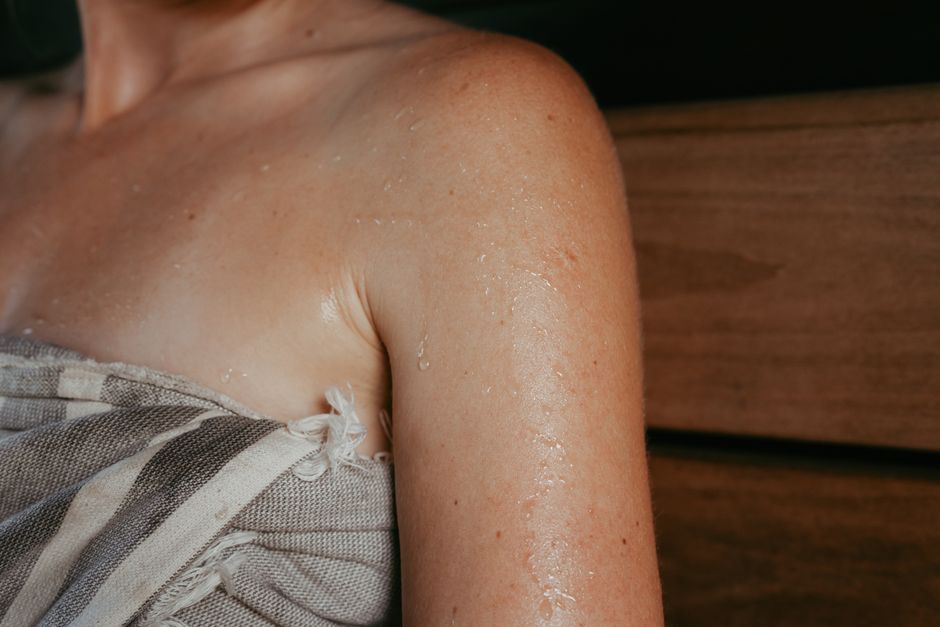
Sweating more than usual lately can be unsettling, but it is often tied to a specific, identifiable cause. Sudden increases in sweating typically stem from hormonal shifts, medication side effects, changes in metabolism, or underlying medical conditions like hyperhidrosis or an overactive thyroid. The fix depends entirely on the root cause, which means the first step is figuring out why your body has turned up the thermostat.
What Counts as Excessive Sweating?
Everyone sweats. It is how your body cools itself down. But there is a difference between sweating after a workout and sweating when you are sitting still in an air-conditioned room.
Excessive sweating, known medically as hyperhidrosis, means you sweat more than your body needs for temperature regulation. If you are soaking through shirts without physical exertion, or if sweating disrupts your daily activities, that is worth paying attention to. Focal hyperhidrosis affects specific areas like the palms, soles, or underarms. Generalized sweating affects the whole body and is more often linked to an internal medical cause.
Night sweats are a separate category. If you wake up drenched but the room is cool, that points toward hormonal or infectious causes rather than simple overheating.
Why Am I Sweating So Much Lately Causes Fixes: Common Triggers
Several everyday factors can suddenly increase sweating. The most common is a change in your environment or routine. But when nothing obvious has changed, the cause may be internal.
Hormonal changes are a leading cause of new-onset sweating in adults. Perimenopause and menopause cause hot flashes and night sweats in many women. Men can also experience hormonal shifts, particularly lower testosterone, which some research links to increased sweating. Thyroid disorders, especially hyperthyroidism, speed up your metabolism and make you feel hot and sweaty.
Medications are another frequent culprit. Antidepressants, blood pressure drugs, diabetes medications, and some pain relievers list sweating as a side effect. If you started a new prescription in the last few months, that timing is a strong clue. Never stop a prescribed medication on your own. Talk to your doctor about alternatives.
Blood sugar fluctuations can trigger sweating. When glucose drops too low, your body releases adrenaline, which causes sweating, shakiness, and a rapid heartbeat. If you have diabetes or prediabetes, this is a common explanation for sudden sweating episodes.
Medical Conditions That Cause Sudden Sweating
When sweating appears out of nowhere and persists, several medical conditions deserve consideration. Hyperhidrosis itself is a diagnosed condition that affects about 3 percent of people. It often begins in childhood or adolescence, but it can appear later in life.
An overactive thyroid is one of the first conditions doctors check. Hyperthyroidism increases your metabolic rate, raising your body temperature and causing excessive sweating. Blood tests measuring thyroid hormone levels can confirm this quickly. Treatment usually brings sweating under control within weeks.
Infections can cause sweating, particularly if you have a fever. Tuberculosis and some other chronic infections are known for night sweats. If you have unexplained weight loss, fatigue, or a persistent cough alongside sweating, see a doctor promptly.
Certain cancers, including lymphoma, can present with night sweats. This is rare, but it is one reason persistent night sweats should never be dismissed. The sweating alone is rarely the only symptom. Weight loss, fever, and swollen lymph nodes usually accompany it.
Neurological conditions can disrupt the autonomic nervous system, which controls sweating. Conditions like Parkinson’s disease or autonomic neuropathy can cause abnormal sweating patterns. These are less common but worth knowing about if other symptoms are present.





When Anxiety and Stress Are the Real Cause
Your emotional state directly affects your sweat glands. The same nervous system that triggers your fight-or-flight response also activates sweating. When you are anxious, your body prepares for action, and part of that preparation includes cooling your muscles.
Stress sweating is different from heat sweating. It comes from apocrine glands, which are concentrated in the underarms and groin. This sweat contains proteins and fats that bacteria break down, which is why stress sweat often smells stronger. If your sweating spikes during stressful periods and eases when you relax, anxiety may be the driver.
Anxiety disorders can cause chronic overactivation of this response. Some research suggests that people with social anxiety disorder sweat more in social situations because their nervous system stays on high alert. Cognitive behavioral therapy and relaxation techniques can help manage this type of sweating.
Lifestyle Factors That Increase Sweating
Your daily habits may explain why you are sweating more. Caffeine and alcohol both stimulate the nervous system and can increase sweat production. Spicy foods trigger a response in the nervous system that makes you sweat, particularly on the face and scalp. This is called gustatory sweating, and it is a normal response in most people.
Weight gain is a significant factor. Extra body mass creates more insulation, so your body has to work harder to cool down. Even a moderate weight increase can make you feel sweatier during normal activities. Fitness level matters too. People who are less fit sweat more during exertion because their bodies are less efficient at cooling.
Dehydration is counterintuitive but real. When you are dehydrated, your body has less fluid to produce sweat, so your core temperature rises. That makes you feel hotter and triggers more sweating once you do drink. Staying consistently hydrated helps your cooling system work properly.
How to Stop Excessive Sweating
The right fix depends on the cause. For mild cases, lifestyle adjustments can make a meaningful difference. Antiperspirants containing aluminum chloride are the first-line treatment for focal hyperhidrosis. These work by temporarily blocking sweat ducts. They are available over the counter in lower strengths and by prescription in higher ones.
For generalized sweating tied to hormones or thyroid issues, treating the underlying condition resolves the sweating. Hormone replacement therapy can reduce hot flashes in menopause. Thyroid medication restores normal hormone levels and usually stops excessive sweating within a few weeks.
If medications are the cause, a doctor may adjust the dose or switch you to an alternative. Do not do this on your own. Some medications require gradual tapering, and stopping abruptly can cause serious side effects.
For anxiety-related sweating, stress management techniques can help. Deep breathing, regular exercise, and adequate sleep all reduce baseline nervous system activity. Some people benefit from medications that reduce anxiety, but these should be discussed with a healthcare provider.
Prescription treatments for hyperhidrosis include stronger antiperspirants, oral medications that reduce sweating, and procedures like iontophoresis, which uses mild electrical currents to reduce sweat production in the hands and feet. Botox injections are FDA-approved for underarm sweating and work by blocking the chemical signals that activate sweat glands. These treatments are effective but require maintenance sessions.
In severe cases, a procedure called miraDry uses electromagnetic energy to destroy underarm sweat glands permanently. Surgery to cut the nerves that trigger sweating is a last resort because it carries risks and can cause compensatory sweating elsewhere.
When to See a Doctor About Sweating
Some sweating patterns warrant a medical evaluation. If you are sweating heavily for no apparent reason for more than a few weeks, schedule an appointment. Sudden night sweats that soak your clothes also deserve attention, especially if they are new.
Seek immediate care if sweating accompanies chest pain, shortness of breath, dizziness, or fainting. These can be signs of a heart attack or other serious condition. Sweating with a high fever, confusion, or severe headache also requires urgent evaluation.
During your appointment, your doctor will likely ask about your medical history, medications, and other symptoms. Blood tests can check thyroid function, blood sugar, and signs of infection. If hyperhidrosis is suspected, your doctor may refer you to a dermatologist who specializes in sweat disorders.
Keep a log of your sweating episodes before your visit. Note when they happen, how long they last, and what you were doing. This information helps your doctor narrow down the cause faster.
Frequently Asked Questions
Why did I suddenly start sweating more than usual?
Sudden increases in sweating usually come from hormonal changes, a new medication, blood sugar swings, or an overactive thyroid. If the sweating persists for more than a few weeks, a blood test can help identify the cause.
Can anxiety cause excessive sweating?
Yes, anxiety activates the same nervous system pathway that triggers sweating. Stress sweat comes from different glands and often smells stronger, and it typically appears during anxious moments rather than continuously.
What stops excessive sweating naturally?
Reducing caffeine and alcohol, staying hydrated, and managing stress can help in mild cases. Clinical-strength antiperspirants are the most effective non-prescription option for underarm sweating.
When should I worry about night sweats?
See a doctor if night sweats soak your clothes regularly, especially if you also have weight loss, fever, or fatigue. Most night sweats are hormonal, but persistent ones deserve a medical workup.
