
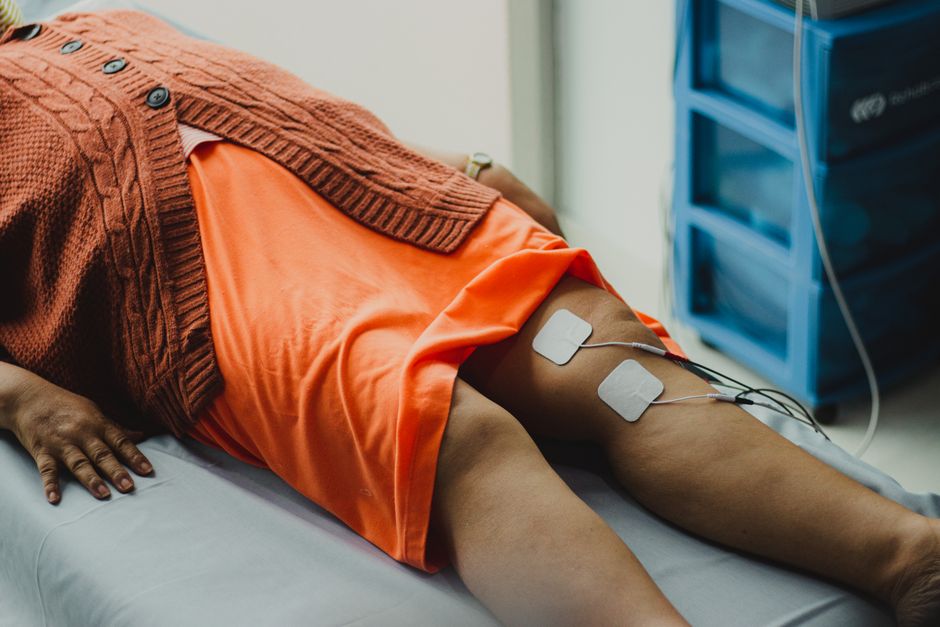
Most people who have a knee replacement need physical therapy for about 6 to 8 weeks after surgery. This usually involves 2 to 3 sessions per week with a physical therapist. You will also need to do exercises at home every day. The total time varies based on your age, fitness level before surgery, and how well your knee is healing.
How Much Physical Therapy After Knee Replacement?
The standard approach after knee replacement surgery is outpatient physical therapy starting about 1 to 2 weeks after you leave the hospital. Most patients attend 2 to 3 sessions per week for 6 to 8 weeks. Some people need longer. Others need less.
Your surgeon and physical therapist will create a plan based on your specific situation. The goal is not just to complete a set number of sessions. The goal is to restore your knee’s range of motion and strength so you can return to daily activities.
A typical course of therapy includes around 12 to 20 total sessions. This number can be lower if you were active before surgery. It can be higher if you had limited mobility beforehand or if complications arise.
What Happens During Physical Therapy Sessions?
Each physical therapy session lasts about 45 to 60 minutes. Your therapist will guide you through exercises that target specific problems after knee replacement surgery.
The main focus areas are:
- Range of motion — bending and straightening your knee fully
- Strength — rebuilding the muscles around the knee, especially the quadriceps
- Balance and gait — relearning how to walk normally without a limp
- Swelling management — using ice and elevation techniques
Early sessions focus heavily on bending and straightening the knee. Getting full extension (straightening) is one of the most important goals in the first few weeks. If you cannot fully straighten your knee early on, it becomes much harder to fix later.
Your therapist will also measure your knee’s range of motion at each visit. This tracking helps them adjust your program as you improve.
How Often Should You Do Exercises at Home?
Home exercises are just as important as the sessions with your therapist. Most surgeons and therapists recommend doing your home exercise program 2 to 3 times per day during the first few weeks.
Each home session should take about 15 to 20 minutes. Consistency matters more than intensity. Doing a small amount of exercise several times a day is better than one long session.
Common home exercises include ankle pumps, quad sets, heel slides, and straight leg raises. Your therapist will give you a printed list with pictures and instructions. You should start these exercises the day after surgery, even before you begin outpatient therapy.
The evidence is consistent on this point: patients who do their home exercises regularly recover faster and achieve better range of motion than those who do not.





What Is the Typical Recovery Timeline?
Recovery from knee replacement follows a fairly predictable pattern, though individual results vary.
Week 1 to 2: You will likely use a walker or crutches. You will work on bending your knee and getting it straight. Swelling is significant during this period.
Week 3 to 6: Most people transition from a walker to a cane. You will begin more challenging strengthening exercises. Walking distance increases gradually.
Week 6 to 8: Many people can walk without assistance for short distances. You may be able to drive again if you had surgery on your left leg and your right leg is strong enough for braking.
Week 8 to 12: Most people complete formal physical therapy around this time. You should have near-normal range of motion for daily activities.
Month 3 to 12: Strength continues to improve for up to a year after surgery. Many people continue with a home exercise program or transition to a gym routine.
Some research suggests that gains in strength and function continue for 12 months or more after surgery. The first 6 to 8 weeks are the most intensive therapy period, but your recovery is not complete when therapy ends.
When Do You Need More Than 8 Weeks of Therapy?
Some patients need longer courses of physical therapy. This is not a sign of failure. It simply reflects individual differences in healing and starting fitness.
You may need more than 8 weeks of therapy if you:
- Had poor mobility or strength before surgery
- Are older than 70
- Have diabetes, heart disease, or other conditions that slow healing
- Develop stiffness in the knee that does not improve
- Had complications during surgery
Stiffness is the most common reason for extended therapy. If your knee cannot bend past about 90 degrees by 6 weeks, your therapist may recommend more aggressive stretching and additional sessions.
In some cases, a patient may need a procedure called manipulation under anesthesia. This involves bending the knee while you are asleep to break up scar tissue. This is not common, but it happens in a small percentage of patients who do not achieve adequate range of motion.
Does Pre-Surgery Fitness Affect How Much Therapy You Need?
Yes. Patients who are stronger before surgery tend to need less therapy afterward. This is one of the best-supported findings in joint replacement research.
If you have surgery scheduled, doing quadriceps strengthening exercises beforehand can shorten your recovery. This is called “prehabilitation.” Even a few weeks of pre-surgery exercise can make a measurable difference.
Patients with strong quadriceps before surgery often regain walking ability faster. They also tend to have less pain and better range of motion in the months after surgery.
If you cannot exercise before surgery due to pain, that is understandable. Your surgeon and therapist will work with what you have. The recovery may take longer, but the long-term outcome is generally still good.
What If You Skip Physical Therapy?
Skipping physical therapy is not recommended. The consequences can be serious and long-lasting.
Without therapy, scar tissue can form inside the knee joint. This can permanently limit how much you can bend or straighten your knee. Once scar tissue matures, it is very difficult to stretch it out.
Muscle weakness is another risk. Your quadriceps lose strength rapidly after surgery. Without targeted exercises, this weakness can persist for months or years. Weak muscles around the knee increase the risk of falls and can lead to an abnormal walking pattern.
Some patients think they can do the exercises on their own without seeing a therapist. While home exercises are essential, they are not a full substitute for professional therapy. A physical therapist provides hands-on stretching, manual therapy, and feedback on your form that you cannot get from a printed sheet.
How Do You Know When Therapy Is Working?
Your physical therapist will track specific measures at each visit. These include your knee’s range of motion, your walking speed, and your ability to climb stairs.
You should see measurable improvement every week during the first month. If your range of motion is not improving, your therapist will adjust your program. They may add different stretches or increase the intensity of your exercises.
Pain is not the best measure of progress. Some discomfort during therapy is normal. Your knee will be sore after sessions, especially early on. This is different from sharp pain or pain that stops you from doing your exercises.
Tell your therapist about any pain that feels wrong. They can modify your program while still pushing you to make progress.
Frequently Asked Questions
How long is each physical therapy session?
Each session typically lasts 45 to 60 minutes. The first session may be longer because your therapist will do a full evaluation.
Can you do physical therapy at home instead of going to a clinic?
Some patients receive in-home therapy, especially in the first week after surgery. Most people transition to an outpatient clinic once they can travel safely.
Is physical therapy painful after knee replacement?
Some discomfort is normal, especially during stretching exercises. Sharp or severe pain should be reported to your therapist immediately.
When can you walk without a cane after knee replacement?
Most people transition from a walker to a cane around week 2 or 3. Walking without any assistance usually happens between week 4 and 8, depending on your strength and balance.
