
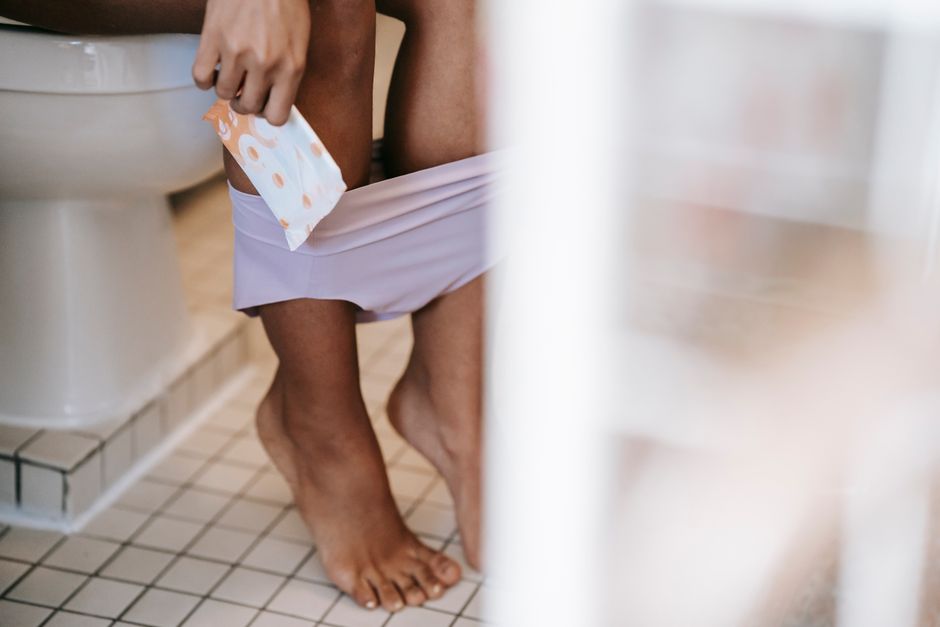
Period bloating is a common complaint in the days before your period. The key to reducing it involves managing water retention through diet, exercise, and sometimes supplements. Here is what actually works based on the best available evidence.
What causes period bloating?
Period bloating happens because of hormonal shifts. In the week before your period, progesterone levels rise. Progesterone acts like the hormone aldosterone, which tells your kidneys to hold on to sodium and water. This causes fluid to build up in your tissues. Estrogen also plays a role by increasing blood volume and making your body retain more water.
These changes are normal and affect most women to some degree. The bloating you feel is not fat or gas in most cases — it is water being held in your abdomen, breasts, and fingers. The amount varies. Some women notice a little puffiness. Others gain a few pounds of fluid weight.
How long does period bloating last?
Bloating typically starts two to five days before your period begins. It often gets worse the day before your period starts. Within one to two days after your period begins, hormone levels drop and the extra fluid leaves your body. This is why many women feel suddenly lighter on day two or three of their period.
If bloating lasts longer than a few days after your period or starts at other times of the month, it may be due to something else. Track your symptoms for two or three cycles to see the pattern. If bloating is constant or gets worse over time, talk to a doctor.
Does changing your diet help with period bloating?
Diet can help reduce water retention, but it will not eliminate bloating completely for most women. The most effective dietary change is reducing sodium. Sodium makes your body hold more water. Processed foods, restaurant meals, and salty snacks are the biggest sources. Cutting back can noticeably lower bloating in the premenstrual days.
Increasing potassium may help, too. Potassium helps balance sodium in your cells. Foods like bananas, oranges, potatoes, spinach, and avocado are good sources. Drinking enough water is also important. When you are dehydrated, your body holds onto more fluid. Aim for six to eight glasses of water daily, more if you exercise or sweat.
Avoiding carbonated beverages can reduce gas bloating, which adds to the feeling of being puffed. Eating smaller, more frequent meals rather than large ones can also help prevent the stomach from stretching and feeling uncomfortable.
There is no special anti-bloating diet that has been proven to work for everyone. But these general healthy eating habits are safe and may provide some relief.



Can exercise reduce period bloating?
Moderate exercise may help reduce period bloating, though the evidence is not strong. Exercise increases blood flow and helps move fluid out of tissues. Sweating also removes some water and salt. Light to moderate activities like walking, swimming, or yoga are better than intense workouts, which can be harder to do when you feel bloated.
Some studies suggest that regular exercise throughout the month can reduce overall premenstrual symptoms, including bloating. But exercise right before your period will not erase bloating. Think of it as one tool, not a cure.
What supplements might reduce period bloating?
Several supplements are commonly recommended, but the evidence is limited and most studies are small. Magnesium has been studied for PMS symptoms including bloating. Some research suggests that taking magnesium during the luteal phase may help reduce fluid retention. Typical doses in studies range from 200 to 400 mg daily, but there is no official recommendation for period bloating specifically.
Vitamin B6 has mixed evidence. Some studies show a small benefit for overall PMS symptoms, but not specifically for bloating. Doses above 100 mg per day can cause nerve damage, so do not take more than the amount in a standard multivitamin or as directed by a doctor.
Calcium is better studied for PMS in general. A daily intake of about 1,200 mg from food or supplements may help reduce mood and physical symptoms. Bloating may improve along with other symptoms, but great results are not guaranteed.
No large, high-quality trial has confirmed that any supplement cures period bloating. Do not take supplements without checking with a doctor, especially if you have a medical condition or take other medications.
Do over-the-counter medications help?
Nonsteroidal anti-inflammatory drugs (NSAIDs) like ibuprofen or naproxen can help with period cramping and may reduce some bloating for some women. These medicines work by lowering prostaglandins, which are chemicals involved in inflammation and water retention. They are not a direct diuretic, but they can make you feel less puffy.
Some over-the-counter products combine a pain reliever with a mild diuretic like pamabrom. Pamabrom is generally considered safe for short-term use, but the evidence that it reduces bloating is weak. Do not use diuretic pills unless your doctor prescribes them. Misusing diuretics can cause dehydration and electrolyte imbalances.
When to see a doctor about period bloating
Most period bloating is normal and does not require medical attention. But you should see a doctor if the bloating is severe enough to interfere with daily activities, if you gain more than five pounds of water weight that does not go away after your period, or if you also have abdominal pain, nausea, or shortness of breath. Bloating in your hands or face that comes suddenly could be a sign of a more serious condition like kidney or heart problems. If you have a history of ovarian cysts or endometriosis, severe bloating may be a symptom worth checking.
What about birth control pills and bloating?
Hormonal birth control can affect bloating in two opposite ways. Some women find that birth control pills reduce bloating because they stabilize hormone levels and prevent the progesterone spike that causes water retention. Other women experience more bloating, especially in the first few months of use. Results vary widely. If bloating is severe and you are on the pill, talk with your doctor about switching to a different formulation or a non-hormonal method.
Frequently Asked Questions
Does drinking water help with period bloating?
Yes, staying well-hydrated can help flush out excess sodium and support normal kidney function. Drink when you are thirsty and aim for about six to eight glasses daily.
Can I take a diuretic for period bloating?
No, you should not take any diuretic unless your doctor prescribes it. Over-the-counter diuretics have very limited evidence and can cause dehydration or electrolyte imbalances.
Does caffeine make period bloating worse?
It might. Caffeine is a mild diuretic, but it can also cause dehydration and increase anxiety, which may worsen bloating for some women. Pay attention to how your body responds.
Are there any medications that specifically treat period bloating?
No medication is approved specifically for period bloating. Some women get relief from NSAIDs like ibuprofen or combination products with pamabrom, but results are inconsistent.
